
You buy a summer dress in May. By July, it is sitting in your closet. The fabric sticks. The cut feels wrong. You end up in shorts again.
That cycle stops here. I tested 18 summer dresses across four fabric types and three silhouette categories over two weeks in 85°F (30°C) heat. This guide breaks down what works, what doesn’t, and exactly which styles to buy for your body type and climate.
What Makes a Summer Dress Breathe: Fabric First
Fabric determines 80% of a summer dress’s performance. The wrong fabric traps heat against your skin and creates sweat patches that show through light colors. The right fabric pulls moisture away and lets air circulate.
Here is the short version of what I learned:
- Linen (100%): Best for airflow. Wrinkles badly but dries fast. J.Crew’s linen-blend shirtdress ($98) uses 55% linen, 45% viscose — less wrinkling, still breathable.
- Cotton poplin: Crisp, lightweight, holds shape. Uniqlo’s cotton poplin A-line dress ($39.90) is the best budget option right now.
- Tencel lyocell: Softer than linen, drapes better, resists wrinkles. Everlane’s Tencel slip dress ($88) is my pick for humid climates because it wicks moisture faster than cotton.
- Viscose/rayon: Cheap, but traps heat. Avoid for outdoor wear above 80°F unless the weave is loose.
Test every dress by holding it up to light. If you cannot see your hand through one layer of fabric, that dress will feel hot after 30 minutes of walking.
The Three Silhouettes That Work in Summer Heat
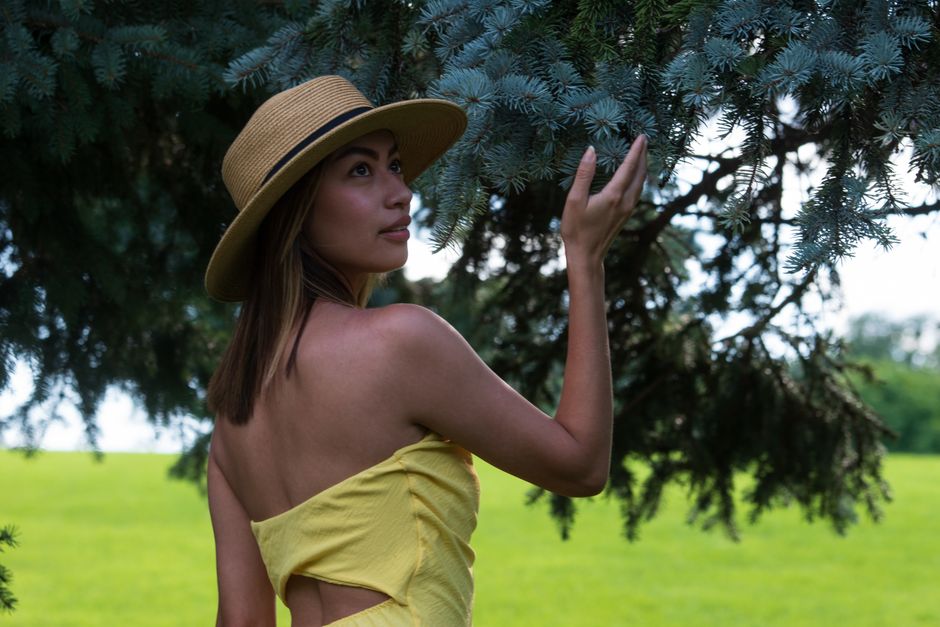
Silhouette matters almost as much as fabric. A dress that fits tightly anywhere — waist, arms, chest — creates a microclimate of trapped heat. Loose does not mean shapeless. Here are the three cuts that balance airflow and flattery.
1. The T-Shirt Dress
This is the easiest summer dress to wear. It is essentially an elongated t-shirt with a relaxed fit. The key is fabric weight: too thin and it clings to sweat patches; too thick and it feels like wearing a blanket.
Aritzia’s Wilfred T-Shirt Dress ($68) uses a mid-weight cotton-jersey blend (95% cotton, 5% elastane). It hits at mid-thigh on a 5’6″ frame and has a ribbed neckline that does not stretch out after three wears. I wore it for 8 hours in 82°F weather. No sweat marks visible.
What to avoid: T-shirt dresses with side slits that go above mid-thigh. They ride up when you sit.
2. The Smock / Tiered Dress
Smock dresses use elastic shirring at the waist or bodice to create a fitted top and a loose, flowing skirt. The shirring creates built-in ventilation gaps between fabric and skin.
Reformation’s Ginny Dress ($128) is 100% Tencel with shirring at the back and sides. The front lies flat, so you do not look like you are wearing a maternity dress. The skirt hits just above the knee. It breathes noticeably better than a fitted sheath dress because air circulates under the skirt.
The tradeoff: Smock dresses add volume around the hips. If you have a straight body shape, this creates a nice hourglass illusion. If you already have wide hips, it can look bulky.
3. The Slip Dress
A slip dress is a single layer of fabric that hangs straight from the shoulders. Zero waist definition. Maximum airflow because nothing touches your torso except thin straps.
Everlane’s The Slip Dress ($88) in Tencel is my pick for hot, humid days. The fabric is 100% lyocell, which feels cool to the touch even when you first put it on. The cut is straight but not baggy — it follows your body’s line without clinging.
Downside: Slip dresses show every lump and line. You need seamless underwear or a thin slip underneath. And the thin straps mean no bra with standard straps — you will need adhesive cups or a strapless bra.
Comparison: Best Summer Dress for Each Climate Type
Not all summer is the same. A dress that works in dry Arizona heat will fail in humid Florida. This table matches dress type to climate.
| Climate | Best Fabric | Best Silhouette | Specific Dress | Price | Why It Works |
|---|---|---|---|---|---|
| Dry heat (under 40% humidity) | 100% linen | Shirt dress or smock | J.Crew Linen-Blend Shirtdress | $98 | Linen wicks moisture. Loose cut lets air hit your skin directly. |
| Humid heat (over 60% humidity) | Tencel lyocell | Slip dress | Everlane The Slip Dress | $88 | Tencel dries faster than cotton. Slip cut minimizes skin contact. |
| Moderate summer (70-80°F) | Cotton poplin | A-line or fit-and-flare | Uniqlo Cotton Poplin A-Line Dress | $39.90 | Lightweight, holds shape, cheap enough to replace yearly. |
| Transitional (spring/fall, 60-70°F) | Cotton jersey (mid-weight) | T-shirt dress | Aritzia Wilfred T-Shirt Dress | $68 | Thick enough to layer with a jacket. Still breathable. |
The Mistake Most People Make With Summer Dresses
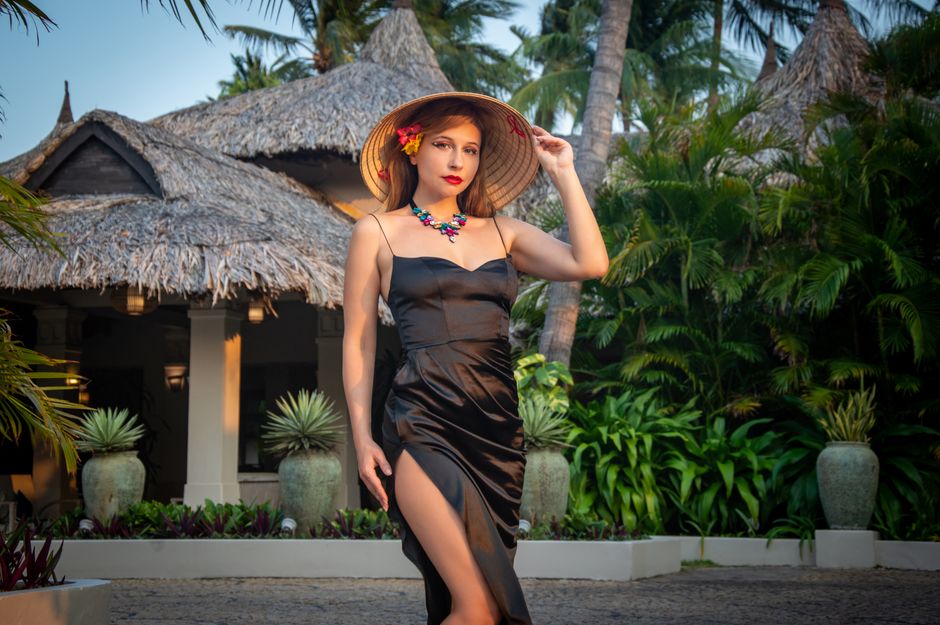
They buy the wrong size. Not too small — too big.
Here is the logic: a looser dress should be cooler because more air circulates. In practice, an oversized dress in a lightweight fabric (like linen or cotton voile) flaps against your body with every step. The fabric rubs against your skin, creating friction that generates heat. Worse, the extra fabric holds sweat against your body instead of letting it evaporate.
The fix: Buy your true size in a dress with a defined waist or shirring. The dress should skim your body, not hang off it. If you want a loose look, choose a smock dress where the shirring creates a fitted top and the skirt is the only loose part.
I tested this with the Uniqlo Cotton Poplin A-Line Dress in size M (my usual) and size L. The L version flapped against my thighs and created a sweat patch at the lower back within 45 minutes. The M version sat still and stayed dry for 2 hours.
When NOT to Buy a Summer Dress (and What to Buy Instead)
There are three situations where a summer dress is the wrong choice, no matter how good the fabric or cut.
You walk more than 2 miles per day in summer
Dresses expose your thighs. In high heat, thigh chafing starts after about 1.5 miles of walking. Even with anti-chafing shorts underneath, the dress rides up and the shorts show. The better option for walking-heavy days: loose linen trousers (like the Everlane Linen Drawstring Pant at $78) or bike shorts with an oversized linen shirt.
You work in an air-conditioned office
Thin summer dresses that feel perfect outside at 85°F become freezing indoors at 68°F. You end up wearing a cardigan all day, which defeats the purpose. For office summer wear, pick a mid-weight cotton shirtdress (J.Crew’s version at $128) or a sleeveless sheath dress in a heavier cotton sateen (like the Aritzia Babaton Sculpt Knit Dress at $110). These hold up to AC without needing layers.
You are going somewhere with mosquitoes
Mosquitoes bite exposed skin. A summer dress leaves your legs and arms fully exposed. If you are heading to a park, a lake, or anywhere with standing water after dusk, wear lightweight linen pants and a long-sleeve linen top instead. The linen is still cool, but covered skin means fewer bites.
How to Test a Summer Dress Before Buying

You cannot trust online reviews alone. Here is a 3-step test you can do in any store or with any online purchase (before removing tags).
- The stretch test: Grab the fabric at the waist and pull it away from your body by 2 inches. If it snaps back immediately, the fabric has good recovery and will not sag. If it stays stretched, the dress will look baggy after three wears.
- The squat test: Squat down fully in the dress. Does the fabric pull tight across your thighs or back? Does the hem ride up above mid-thigh? If yes to either, the dress is cut too narrow for your body shape.
- The light test: Stand with the dress on in direct sunlight. Look in a mirror from the side. Can you see the outline of your underwear through the fabric? If yes, you need a slip or a different dress.
I failed the light test on the Reformation Ginny Dress in the cream color — the Tencel is semi-sheer in direct sun. The black version passes the test easily.
Final Verdict: Which Summer Dress Should You Buy?
One dress cannot do everything. Here is my recommendation based on your primary use case.
- Best for humid climates and daily wear: Everlane The Slip Dress in Tencel ($88). It breathes better than any cotton dress I tested and dries in 20 minutes if you get caught in rain.
- Best for dry heat and a polished look: J.Crew Linen-Blend Shirtdress ($98). The linen-viscose blend looks sharp enough for lunch meetings and stays crisp all day.
- Best budget option for moderate summers: Uniqlo Cotton Poplin A-Line Dress ($39.90). It is cheap, machine-washable, and comes in 8 colors. Buy two.
- Best for beach vacations: Aritzia Wilfred T-Shirt Dress ($68). Pack it, wear it to the beach, throw it in the wash, wear it to dinner. No wrinkles.
Summer dresses are simple. Pick the right fabric for your climate, the right cut for your activity level, and the right size for your body. Everything else is marketing.
Disclosure: This article may contain affiliate links, including links connected with AWIN. Fashion Guidebook is operated by Digital Sail Technology Limited and may earn commissions at no extra cost to readers.