
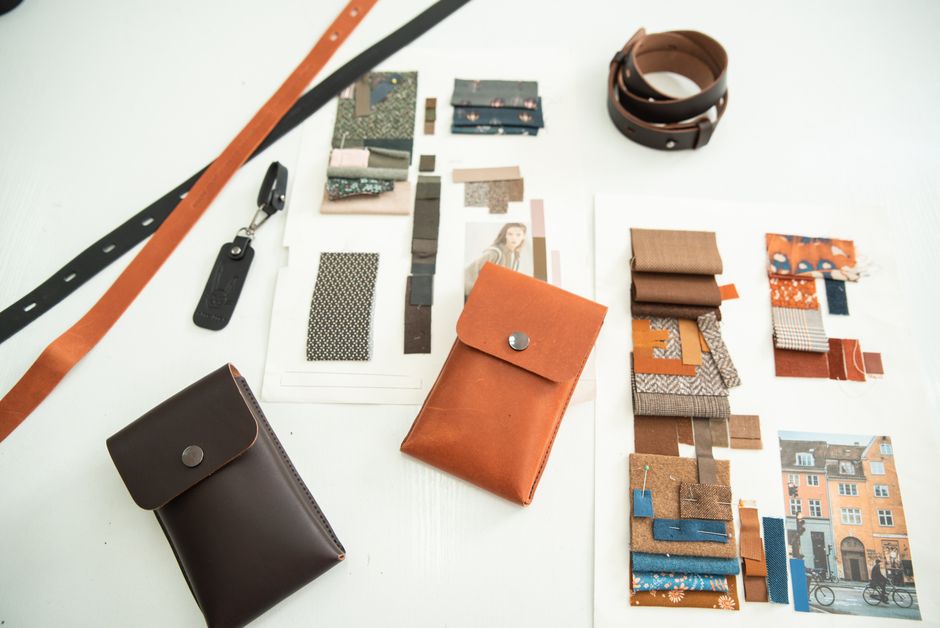
You leave for work at 7:30 a.m. in cold air, spend lunch in bright sun, then walk home after the temperature drops again. A thick sweater solves the first problem and creates the second. The better answer is fabric selection: wool blends for steady warmth, corduroy for structure, and breathable layers that let heat escape before your shirt becomes damp.
This guide treats fabric choice as a practical decision, not a trend test. You will find fiber details, texture clues, layering steps, common buying mistakes, and clear picks for office, weekend, and active fall wardrobes. Prices mentioned are typical listed prices and can change with sales or seasonal updates. This is not legal advice — consult a licensed attorney.
How do wool blends, corduroy, and breathable layers solve different problems?

A fall wardrobe works because each fabric manages a different form of discomfort. The first problem is heat loss. The second is trapped body heat. The third is movement: clothes must bend, sit, and layer without turning bulky. No single textile handles all three equally well.
Wool blends regulate temperature rather than simply adding bulk
Wool fibers can absorb some moisture vapor while still feeling relatively dry, and their crimp creates small air spaces that slow heat loss. That makes wool useful when a morning commute turns into a warm train ride. A blend adds practical strength. Nylon can improve abrasion resistance, while polyester can reduce wrinkles and cost. The tradeoff is simple: the more synthetic fiber a blend contains, the less it may feel like traditional wool, especially in breathability and hand feel.
Choose a wool blend for a coat, structured cardigan, or trouser when you need polished shape and repeated wear. Look for at least 40% wool if warmth is the main goal. A 10% wool accent in a mostly acrylic sweater may improve texture but will not perform like a true wool-rich garment.
Corduroy creates texture, structure, and moderate insulation
Corduroy is cotton fabric with raised ribs called wales. The ribs create a soft, brushed surface that feels warmer than a flat cotton shirt of similar weight. Eight-wale corduroy has broad ribs and a bold, relaxed look. Sixteen- to twenty-one-wale corduroy has finer ribs and fits more easily into an office wardrobe.
The best corduroy use is a jacket, trouser, or overshirt that adds structure without the stiffness of denim. Avoid wearing heavy wide-wale pants with a thick fleece and a bulky coat unless the weather is genuinely cold. Three dense layers can make sitting and walking uncomfortable long before they improve warmth.
Breathable layers control the temperature next to your skin
Breathability matters most at the base layer, not only at the coat. Cotton jersey feels cool and familiar, merino moves moisture vapor away from the skin, and lightweight blends dry faster after activity. A breathable layer should sit close enough to move sweat away but loose enough to avoid cling. For most fall days, a thin base, medium mid-layer, and weather-resistant outer layer work better than one very heavy sweater.
What is the most reliable fall layering order?
My recommendation: build from moisture control outward, then add insulation only where the forecast demands it. This order gives you more control during a day that moves from a cold sidewalk to a heated room.
Step one: choose a close, light base
- Start with a cotton, merino, or cotton-modal shirt that does not bunch under the arms.
- For active commutes, choose merino or a quick-drying blend because damp fabric cools the skin quickly.
- Keep the hem long enough to stay tucked while sitting, but avoid extra fabric that folds under trousers.
Step two: add one insulating middle layer
- Use a wool-blend cardigan, fine merino sweater, corduroy overshirt, or light fleece.
- Leave enough room at the shoulders for the base layer. Tight sleeves create pressure and reduce movement.
- For an office, choose fine-gauge wool or narrow-wale corduroy. For a weekend walk, a thicker fleece or wool shirt-jacket makes more sense.
Step three: finish with a wind and rain barrier
- Add a densely woven coat or shell when the forecast includes wind, drizzle, or a long outdoor wait.
- Use a coat with at least 3 inches of ease over your normal shirt and mid-layer.
- Remove the outer layer indoors before adding another sweater. Indoor overheating often comes from poor ventilation, not a lack of insulation.
This sequence also reduces unnecessary purchases. One good base, two useful mid-layers, and one protective outer layer can cover more conditions than five heavy sweaters that all perform the same job.
Which fall fabric mistakes cause discomfort?
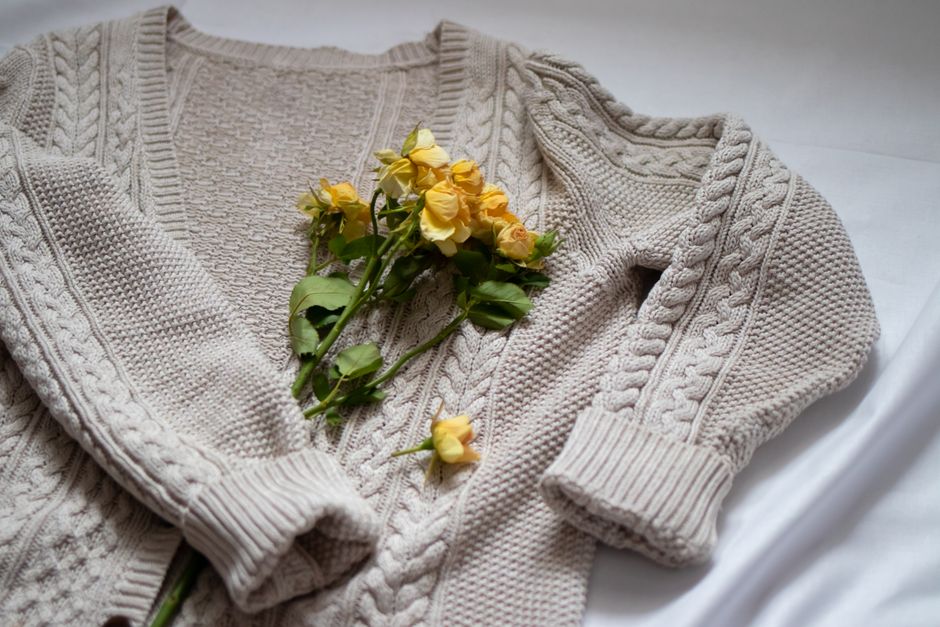
Most fabric problems start in the fitting room. They become obvious after a commute, a long meeting, or one wash cycle.
Does a higher wool percentage always mean a better garment?
No. A 100% wool sweater can be warm and elegant but may pill, itch, or lose shape if the knit is loose and the care is poor. A well-made 70% wool blend can be the better daily choice when you need durability. Check the label, then inspect the collar, cuffs, and underarm seams. Loose fibers, uneven knitting, and thin patches usually matter more than a single percentage printed on the tag.
Why does corduroy sometimes feel too hot?
Heavy corduroy traps air and creates friction against other layers. Wide-wale trousers under a thick coat can feel restrictive, especially in a heated office. Pick fine-wale corduroy for indoor-heavy days, and reserve thick wide-wale styles for loose trousers, overshirts, or colder weekends. The Uniqlo Corduroy Wide Pants, commonly listed near $49.90, show why cut matters: the wide shape can improve movement, but the fabric still needs room to release heat.
What care mistake ruins fall texture?
Hot washing and high dryer heat can shrink wool, flatten corduroy ribs, and twist cotton jersey. Turn corduroy inside out, wash it in cool water, and air-dry it away from direct heat. For wool, follow the care label rather than assuming every wool garment needs dry cleaning. A wool blend with a washable label should still dry flat if the knit has a loose shape. Treat pilling with a fabric comb instead of pulling individual fibers by hand.
When should you skip wool or corduroy?

Skip wool when itch, wash restrictions, or animal-fiber sensitivity will keep the garment in the closet. Skip corduroy when you need low-friction travel clothing, fast drying, or a very slim layered fit. The best fall fabric is the one you will wear, wash, and maintain correctly.
Choose another fabric when skin comfort comes first
- Use soft cotton or a smooth synthetic base if wool fibers irritate your neck or wrists.
- Choose fleece or quilted polyester when you need warmth at a lower price and do not want delicate care.
- Choose linen-cotton or lightweight cotton for sunny, mild afternoons above 65°F.
Choose another cut when movement matters more than texture
Corduroy can resist easy sliding under a fitted coat, and wool trousers may feel restrictive if the rise or seat is too narrow. For cycling, long flights, or frequent squatting, pick a flexible knit or stretch-woven trouser first. For rain-heavy climates, prioritize a weather-resistant shell over a beautiful wool layer. Fabric beauty does not cancel out a poor match with the day’s movement, moisture, or care routine.
How should you buy and care for fall fabrics in 2026?
Buy by use case, not by the promise on the hangtag. Before paying, check the fiber percentage, care label, fabric weight, lining, seam finish, and room for the layers you will actually wear. Try the garment with a shirt underneath and sit down for two minutes. That small test catches tight armholes, short hems, and bulky waistbands.
Use this four-question fitting test
- Can you raise both arms without the shoulder seam pulling?
- Can you close the coat over your thickest planned layer?
- Does the fabric recover after you bend the sleeve or knee?
- Will you realistically follow the care instructions?
Keep each fabric performing at its best
Air wool garments between wears instead of washing them after every use. Fold knits rather than hanging them from narrow hangers. Brush corduroy in the direction of the ribs and wash it inside out. Store clean garments only after they are fully dry. These habits protect shape and reduce the need for frequent replacement.
Final comparison for a fall wardrobe
| If you need | Choose | Why | Do not choose it when |
|---|---|---|---|
| Polished warmth | Wool blend | It adds insulation and structure | You cannot tolerate wool or delicate care |
| Casual texture | Corduroy | It adds ribbed texture and moderate warmth | You need a very slim or fast-drying outfit |
| Moisture control | Merino or light cotton blend | It manages the layer next to your skin | You need maximum wind protection alone |
| Active mid-layer | Recycled polyester fleece | It gives warmth with easy movement | You need low odor retention or formal tailoring |
For most fall wardrobes, start with a breathable base, add one wool-rich or fleece mid-layer, and finish with a coat that blocks the weather. Corduroy then becomes a useful texture choice rather than the fabric forced to solve every problem.