
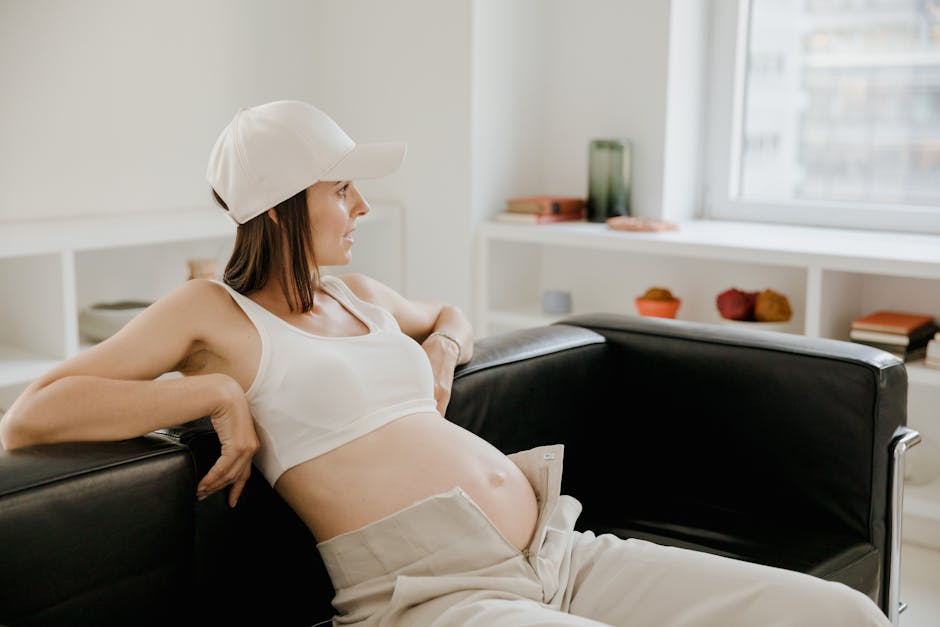
Most pregnant women overbuy. They stock up on maternity dresses, tops, and trousers at week 12, wear half of it, and donate the rest six weeks postpartum. The smarter play is a deliberate capsule — fewer pieces, better choices, less regret.
The Case for a Maternity Capsule Over a Full Wardrobe
Pregnancy bodies are not static. Your bump shape, size, and position shift throughout all three trimesters. What fits at week 20 can look entirely different at week 34 depending on how the baby sits. A full wardrobe bought upfront is a gamble you will lose at least partially.
The target is 8 to 10 reliable pieces. That covers the overwhelming majority of situations without the clutter of a wardrobe you will stop wearing in four months.
The 8-Piece Maternity Capsule That Actually Works
- 2 pairs of maternity jeans or leggings — One dark-wash, one casual. ASOS Maternity’s over-bump skinny jeans (around £35) hold their shape across multiple washes, the over-bump panel stays put, and they are cut generously enough in the thigh for most body types. H&M’s maternity leggings at £14.99 are the best budget legging option — the waistband does not roll, which is the one thing budget maternity leggings almost always get wrong.
- 3 fitted maternity tanks or tees — These are the foundation of almost every outfit. Storq makes organic cotton basics ($38–$45 each) that stay long enough to cover the bump and do not go sheer when stretched. H&M’s mama tank 2-pack (£9.99) is a solid budget alternative — buy two packs and layer them constantly.
- 1 smart wrap dress — A properly cut wrap dress is the most versatile piece in maternity fashion, full stop. It works at month 5 and month 9 without major adjustment. Seraphine’s jersey wrap dresses (£65–£85) are the benchmark. The fabric does not pill, the cut accounts for bump-forward weight distribution, and they photograph well for events.
- 1 maternity jumpsuit or dungarees — For days when you want one decision and no waistband. ASOS Maternity’s linen jumpsuit (£42) is a strong pick for spring and summer. For colder months, a dark denim dungaree over a long tee covers most casual situations.
- 1 oversized coat or structured cardigan — Most pregnant women do not need a maternity-specific coat. An oversized boyfriend blazer or structured wool coat sized up by one covers a bump well through the second trimester, and worn open through the third. Skip the maternity coat unless your third trimester lands in the depths of winter.
Why Sizing Completely Changes the Calculation
Maternity sizing follows your pre-pregnancy measurements, not your bump size. This is where most first-time buyers go wrong. A size 12 in Seraphine fits a different bump profile than a size 12 in Isabella Oliver. Both brands cut to different standards, use different fabrics, and account for bump projection differently.
Isabella Oliver uses bias-cut stretch jersey that accommodates a wider range of bump shapes than their labels suggest — their dresses (£100–£165) tend to be forgiving across sizes. Seraphine can run tight in the bust. ASOS Maternity is generally generous in the waist but short in the torso for women above 5’7".
Check returns policies before every single order. Free returns matter here more than in any other clothing category because fit is genuinely unpredictable. If a brand charges for returns, order elsewhere.
The second sizing mistake: buying everything at once, early. Some women carry high, some low. Some have a compact bump, some go wide. A fitted top at week 18 may pull completely differently at week 30. Buy in stages — a few pieces per trimester — rather than front-loading your entire budget in one go.
2026 Maternity Brands: A Straight Comparison
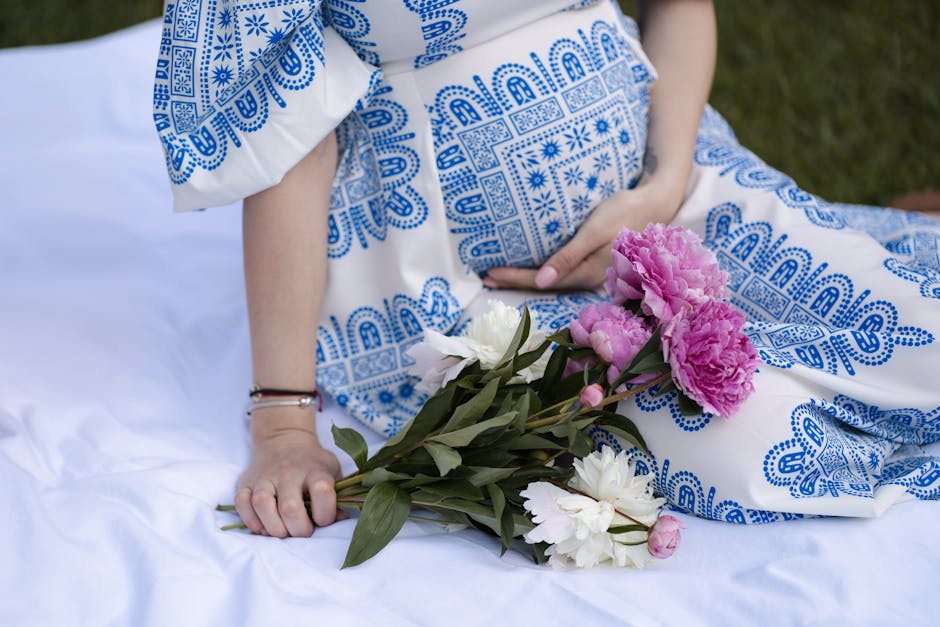
There are dozens of brands making maternity clothes. Here is a clear breakdown of who is actually delivering and who is trading on marketing alone:
| Brand | Price Range | Best For | Standout Piece | Honest Verdict |
|---|---|---|---|---|
| Seraphine | £50–£150 | Work wear, events, mid-range quality | Jersey wrap dress | Best all-round UK brand |
| ASOS Maternity | £15–£65 | Basics, denim, casual everyday | Over-bump skinny jeans | Best value for volume buying |
| H&M Maternity | £9–£40 | Underlayers, basics, budget | Mama tank 2-pack | Best for budget basics only |
| Isabella Oliver | £80–£165 | Premium work wear, quality-first buyers | Bias-cut jersey wrap dress | Best when quality matters more than price |
| Hatch Collection | $90–$300 | Minimalist, postpartum crossover, US buyers | The Everywhere Dress | Best long-term investment for US buyers |
| PinkBlush | $25–$75 | Events, bump photos, special occasions | Floral maxi wrap dress | Best for US budget one-off purchases |
| Storq | $38–$120 | Minimalist basics, organic materials | Core tee bundle | Best for sustainable-minded US buyers |
| Boohoo Maternity | £8–£30 | Trend pieces, low-stakes purchases | Ribbed co-ord set | Fine for trends, not for building a wardrobe |
Seraphine is the clearest all-around recommendation for UK buyers. Their jersey does not pill, the construction holds up across regular washes, and their bump-forward silhouette engineering is genuinely better than most competitors at the price point. Start there.
Hatch Collection earns its premium for a specific reason: postpartum wearability. Most maternity brands engineer for bump-forward silhouettes that look wrong once the bump is gone. Hatch designs pieces that work before, during, and after pregnancy. The Everywhere Dress ($178) and The Shirtdress ($178) stay in wardrobe rotation for a year or more rather than five months. The cost-per-wear calculation changes significantly when that is true.
Boohoo Maternity is fine for a £12 ribbed co-ord for bump photos. It is not where you build a functional wardrobe from.
Fabric Is the Only Spec That Actually Matters Here
Buy cotton, jersey, or modal. Avoid high-polyester blends wherever possible. During pregnancy, body temperature runs higher, skin becomes more reactive, and the difference between a breathable fabric and a synthetic one is not subtle — it is the difference between wearing something all day and abandoning it by lunchtime. A dress listed as 95% polyester is the wrong answer, regardless of how good it looks in the product photo. Check the composition label before you order. Every time.
What to Spend On, What to Borrow, and What to Skip
Not every maternity category is worth buying new. The decision is straightforward: buy new when fit is critical and cannot be approximated; borrow or buy secondhand when you will wear something twice; skip when a sized-up regular item does the same job for less money.
Worth Buying New
- Maternity jeans and over-bump leggings — The over-bump panel needs to be in good condition to stay comfortable throughout a full day. Secondhand options often have stretched or misshapen panels that will not hold. Buy new, buy in the second trimester, and always check the returns policy.
- Maternity and nursing bras — Fit is non-negotiable here. Bravado Designs’ Body Silk Seamless bra (around £45–£52) is consistently the most recommended option by postpartum users for all-day comfort and longevity across size changes. Get professionally measured — most department stores offer this service free. Buy two bras in the second trimester and expect to reassess sizing in the third.
- One professional work outfit — If you are in an office environment, one well-fitting piece is worth the investment. You will wear it multiple times per week and need it to hold up. Seraphine’s tailored maternity dresses in the £85–£95 range cover this category well and are cut for exactly this use case.
Worth Borrowing or Buying Secondhand
- Maternity formal wear — A wedding guest dress or event outfit you will wear once is a clear candidate for borrowing or buying secondhand. Facebook Marketplace and Vinted both have active maternity sections with barely-worn pieces at a fraction of retail price. Check there before buying new.
- Maternity coats — Try sizing up in a regular coat first. A boyfriend-style wool coat in one size up, worn open in the third trimester, often works perfectly — and it returns to your normal wardrobe rotation after the baby arrives. A maternity-specific coat is a single-use purchase that most women do not need.
- Novelty maternity pieces — Bump-baring crop tops, co-ordinated sets designed for photoshoots, holiday-specific pieces. These have near-zero ongoing wear value. Borrow them, buy very cheaply, or skip them entirely.
Skip Entirely
- Full maternity sets from ultra-fast fashion brands — Low-quality polyester maternity clothes will not survive the wash frequency of daily wear and will not be comfortable enough to justify the cost even at sale prices.
- Premium-priced maternity loungewear — An oversized regular hoodie or a men’s t-shirt in a size up does exactly the same job for a fraction of the price. There is no functional difference.
- Maternity swimwear unless swimming is a regular part of your pregnancy routine — A regular bikini top in a larger size with dark shorts handles most situations without any additional spend.
Dressing Through Each Trimester: A Practical Timeline
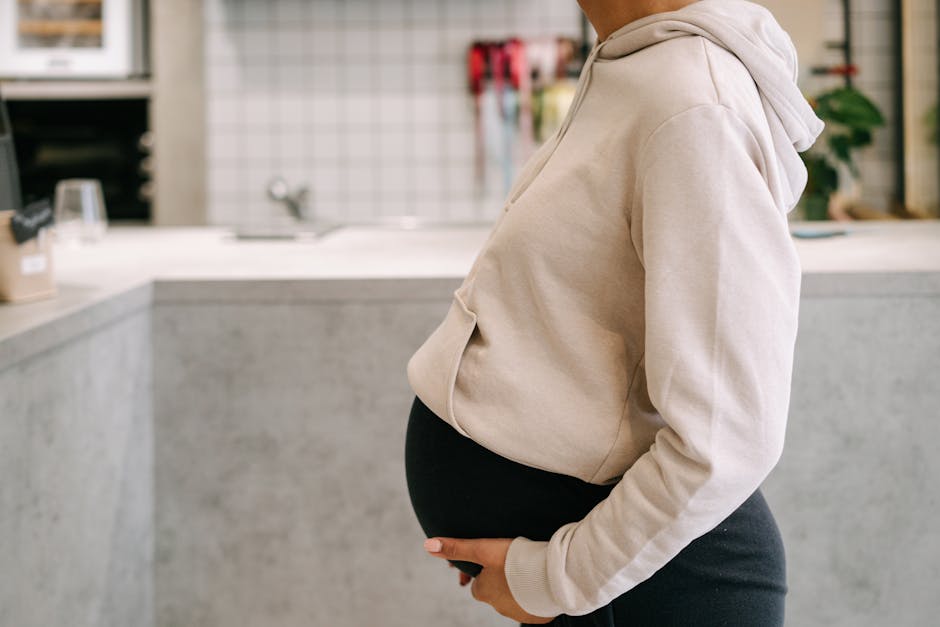
First Trimester (Weeks 1–13): Hold Off on Maternity Clothes Entirely
Most women do not need maternity-specific clothing until week 16 at the earliest, and many not until weeks 18–20. In the first trimester, work with what you already own. Size up in elastic-waist trousers. Choose loose-fit tops and wrap styles. A bump band — a wide elastic band worn over an undone jean button — extends the life of your existing jeans by several weeks and costs very little. That is a smarter early spend than stocking up on maternity pieces before your bump shape is established.
You do not yet know how your bump will sit, how your chest will change, or what silhouettes you will actually feel comfortable wearing. Wait.
Second Trimester (Weeks 14–27): The Main Buying Window
This is when to spend your maternity budget. The bump is visible, you are typically feeling better, and you have enough pregnancy left to get real wear out of what you buy. Invest in your core capsule pieces now: the wrap dress, the over-bump jeans, the long tanks, the maternity bra.
The principle that makes second-trimester shopping more successful: if something is uncomfortable on the first wear, return it immediately. Maternity clothes that require constant adjustment or toleration in the second trimester become genuinely unwearable by the third. Comfort is the primary quality filter. Not appearance, not trend alignment — comfort.
Most women discover an unexpected gap around weeks 20–22: regular work tops suddenly stop covering the bump, but they have not yet bought enough maternity tops to fill the gap. A few extra long tanks or stretch tees solve this faster than any other piece. Buy them early in the second trimester and you will not hit this wall.
Book a bra fitting in the second trimester rather than waiting. Most women go up one to two cup sizes by mid-pregnancy and continue changing through the third trimester. A well-fitted maternity bra bought now prevents a lot of daily discomfort during the months ahead.
Third Trimester (Weeks 28–40): Comfort Only, Minimal New Purchases
By week 28, most women have established what works and stopped experimenting. The third trimester is not the time for a wardrobe refresh unless something essential has worn out or stopped fitting. The pieces that tend to fail: over-bump jean panels that have stretched too much, fitted tees that no longer cover the full bump, and anything with a waistband that sits on the bump rather than below or above it.
One new piece that genuinely earns its place in the third trimester is a loose button-through shirt dress. Getting dressed without pulling fabric over your head becomes a legitimate daily comfort consideration in the final weeks. Look for one in a soft, breathable fabric — linen for warmer months, jersey for cooler ones — at whatever price point works for your budget.
One thing that catches most women off guard: feet often expand by half a size or more in the third trimester. Footwear that fitted comfortably at month six may not fit at month eight. Budget for supportive, low-heeled footwear separately — it matters more for daily comfort at this stage than any clothing choice.
Build your capsule in the second trimester, fill genuine gaps as they appear, and skip everything else.
Disclosure: This article may contain affiliate links, including links connected with AWIN. Fashion Guidebook is operated by Digital Sail Technology Limited and may earn commissions at no extra cost to readers.