
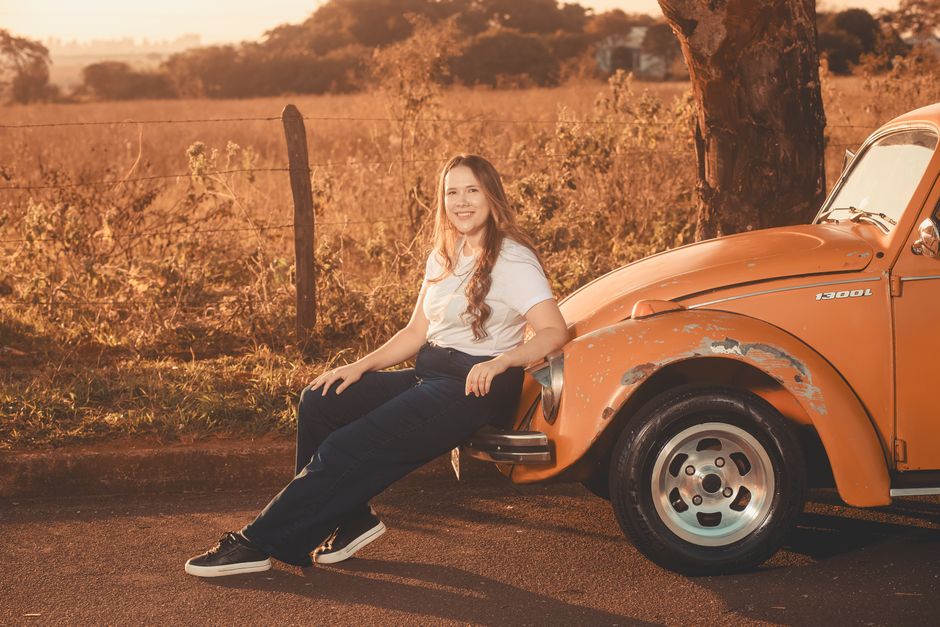
I have bought both cuts, worn both cuts, and made the same mistake many shoppers make: treating any roomy trouser as a baggy pant. The difference sits in the shape, the waist, and the way the fabric falls from the hip, so choosing the wrong cut can make a good outfit look accidentally oversized.
Wide-Leg Pants vs Baggy Pants: The Fast Fit Test
The quickest way to tell the two styles apart is to trace the trouser line from the waistband to the hem. Wide-leg pants keep a fairly clear vertical shape, while baggy pants add extra fabric around the seat, thigh, and often the lower leg.
| Fit detail | Wide-leg pants | Baggy pants |
|---|---|---|
| Waist | Often high or mid-rise and fairly neat | Can be high, mid, low, elasticated, or adjustable |
| Hip and seat | Skims the body before widening | Usually has visible ease and folds |
| Leg line | Wider from the hip or upper thigh | Loose through most or all of the leg |
| Hem shape | Often clean, long, and straight | May pool, taper, stack, or balloon |
| Overall message | Polished volume | Relaxed, oversized volume |
A wide-leg trouser can look tailored even when the hem measures 24 inches around. The waist stays controlled, the front often has a pressed crease, and the fabric drops instead of bunching. That controlled line is why wide-leg pants work with a tucked shirt, a fitted knit, or a short jacket.
Baggy pants are less interested in a clean line. They create movement through extra cloth, dropped rises, cargo pockets, drawstrings, or a deliberately low seat. My verdict is simple: choose wide-leg pants when you want an elegant silhouette, and choose baggy pants when the looseness itself is the point.
Why Wide-Leg Pants Look Polished While Baggy Pants Look Relaxed
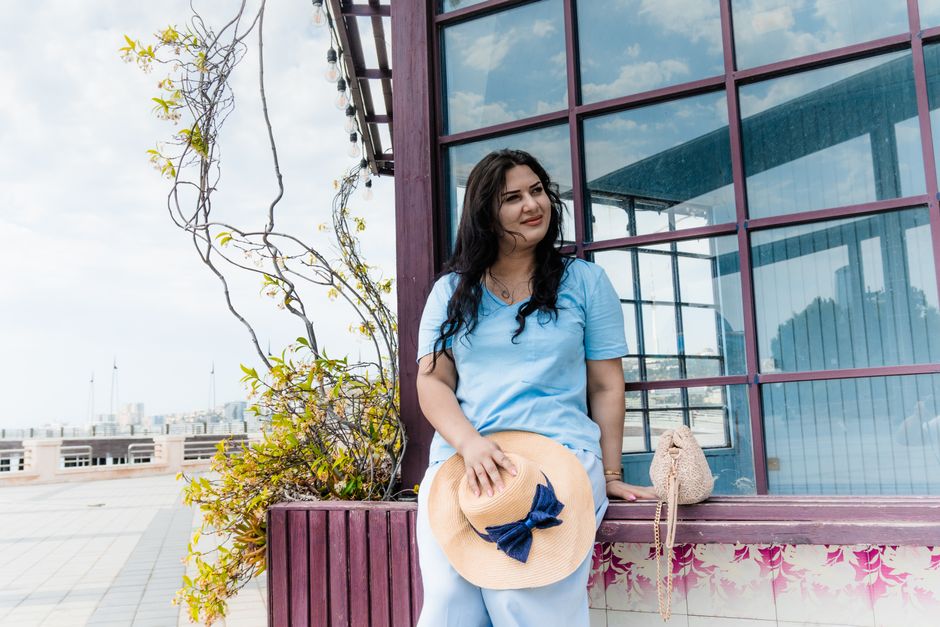
The difference is not just a larger leg opening; it is where the garment holds its shape. Wide-leg pants begin with a stable anchor at the waist and usually keep the side seams close to a straight path, so the eye reads the outfit as long and intentional even when the leg is generous.
Baggy pants spread volume across more areas at once. The seat may sit lower, the thigh may have several extra inches, and the ankle may gather above a sneaker. That softness gives the outfit a casual attitude, but it also makes proportions harder to control; a loose top, oversized coat, and baggy trouser can erase the body instead of creating a strong shape.
My preferred styling rule is to pair one wide area with one controlled area. A wide-leg trouser looks sharper with a close-fitting cardigan or a cropped jacket, while a baggy trouser needs a defined waist, a shorter hem, or a firm shoe to stop the outfit from drifting downward.
If your goal is a longer-looking leg, wide-leg pants win because a high waist and uninterrupted crease create one clean column. If your goal is comfort for travel, errands, or streetwear outfits, baggy pants win because they allow more room to sit, move, and layer. The cut should match the message you want the outfit to send.
How to Measure the Fit Before You Buy
Fit labels are inconsistent, so I trust measurements more than names. One brand’s relaxed trouser can be another brand’s oversized pant, and a photograph can hide a low rise or a very wide hem.
Check the waist and rise first
Measure the waistband flat, then double the number. A high-rise wide-leg pant often measures 10 to 12 inches from the crotch seam to the top of the waistband, while a baggy style may use a lower rise or a dropped crotch that adds several inches. The waistband should stay level when you sit down. If it rolls or pulls across the front, the fit is wrong even if the legs look good.
Compare hip, thigh, and hem measurements
For a controlled wide-leg shape, look for a hip measurement that gives roughly 2 to 4 inches of ease and a gradual increase toward the hem. Baggy pants often give 5 inches or more at the hip and thigh, with extra room below the crotch. That room creates comfort, but it can also cause folds at the front if the fabric is too stiff.
Use the full length and shoe test
Try the pants with the shoes you actually wear. A 31-inch inseam may skim the ankle on one person and drag on another, while a full-length wide-leg style usually looks best when it sits just above the floor. Baggy pants can handle a cropped hem, stacked denim, or a visible sock. If the hem catches under your heel, do not assume a tailor can fix everything; changing the hem can remove the intended shape.
Six Mistakes That Make Roomy Pants Look Unintentional
Roomy pants are easy to buy and surprisingly easy to style badly. I have found that most problems come from proportion, fabric, or a missing visual anchor rather than from the trouser cut itself.
- Buying the largest size for extra volume. Size up only when the waist and rise still sit correctly. A larger size can create a sagging seat instead of a deliberate baggy shape.
- Ignoring fabric weight. Thin rayon may cling at the thigh, while rigid denim can stand away from the body. Choose drapey fabric for wide-leg trousers and softer cotton or denim for casual baggy pants.
- Pairing volume with no waist definition. A long oversized sweatshirt over a very wide trouser can turn the body into one rectangle. A tucked front, belt, or shorter top fixes the problem quickly.
- Choosing the wrong shoe. A delicate flat can disappear under a heavy baggy hem. Chunky trainers, loafers, boots, and low-profile sneakers each create a different finish.
- Confusing low rise with relaxed fit. A low-rise pant changes the position of the whole outfit. It is not simply a roomier high-rise style.
- Copying a product photograph exactly. Models may wear clips, altered hems, or a sample size. Trust the garment measurements and your own shoes first.
My strongest warning is against buying baggy pants just because they look comfortable online. Comfort comes from the rise, fabric, and waistband, not from adding random inches everywhere.
Which Wide-Leg Pants Are Actually Worth Buying?
My pick for most wardrobes is a high-rise wide-leg trouser with a clean front and a 30- to 32-inch inseam. It gives the visual length people want from the trend without forcing the whole outfit into oversized streetwear. These are four real examples I would use as reference points, not because every shopper needs them, but because each shows a different version of the cut.
For everyday denim: Levi’s Ribcage Wide Leg
The Levi’s Ribcage Wide Leg usually sells for about $108 and has a high rise designed to sit above the natural waist. It works best for someone who wants denim volume with a clear waistline. I would choose it over a loose boyfriend jean for casual outfits because the wider hem creates a longer line. Buy it if you want jeans that work with a tucked tee and a short jacket; skip it if you dislike rigid denim or need a very soft waistband.
For a clean office silhouette: COS Wide-Leg Tailored Trousers
COS Wide-Leg Tailored Trousers typically cost around $150, depending on fabric and season. Their strength is the pressed front and simple, uninterrupted leg. I recommend this type of trouser for office dressing, dinners, and minimal wardrobes because it looks finished without extra decoration. The tradeoff is that tailored fabric shows wrinkles and poor fit quickly, so check the seat and hem before keeping them.
For a softer workwear look: Abercrombie Sloane Tailored Wide Leg Pants
The Abercrombie Sloane Tailored Wide Leg Pants are often priced near $90 and are available in several lengths. They are my best practical choice for shoppers who need a polished trouser but cannot manage a long inseam. The cut gives the hip room without looking like a parachute pant. Pick the short or regular length based on your shoe height, not just your height.
For a relaxed polished outfit: Aritzia Effortless Pant
Aritzia’s Effortless Pant usually sits around $148 and has a fluid, high-rise shape that can look formal or casual. I would choose it for travel days, client meetings, and outfits built around a knit top because the fabric moves without looking sloppy. Do not buy it if you want a true baggy look; its appeal comes from controlled drape, not excess fabric.
Which Style Should You Choose for Your Actual Wardrobe?
Choose wide-leg pants if you want one pair to cover work, dinners, and smart casual outfits; the clean waist and long leg line make them easier to dress up. Choose baggy pants if your wardrobe is built around sneakers, cropped layers, denim jackets, and deliberately loose proportions.
Are wide-leg pants more flattering than baggy pants?
For a lengthened, tidy silhouette, yes. A high rise and straight fall from the hip give wide-leg pants more structure. Baggy pants can look excellent, but their success depends on controlling at least one other part of the outfit, such as the waist, top length, or shoe.
Can short people wear both cuts?
Yes, but the easiest starting point is a high-rise wide-leg pant with the hem altered to skim the top of the shoe. Baggy pants work better with a cropped jacket, a visible ankle, or a firm platform sole. Avoid a puddled hem unless the oversized effect is intentional.
What is the safest first purchase?
Buy a medium-weight wide-leg trouser in black, navy, dark denim, or stone. A 10- to 12-inch rise, a flat front, and a hem that nearly touches the shoe will give you more outfit options than an extreme low-rise baggy style. Once that shape feels natural, add baggy denim for a stronger casual look.
Wide-leg pants are becoming a wardrobe basic, while baggy pants remain the better choice for expressive, relaxed dressing. The useful shift is that shoppers no longer have to choose between comfort and shape; the right cut lets each style do its own job.
Disclosure: This article may contain affiliate links, including links connected with AWIN. Fashion Guidebook is operated by Digital Sail Technology Limited and may earn commissions at no extra cost to readers.