
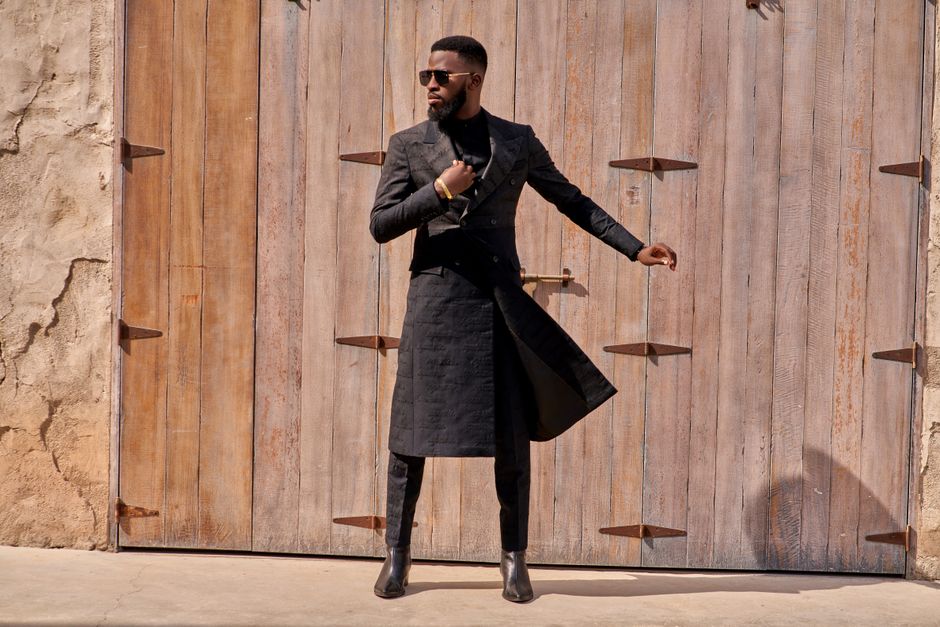
You leave home in a sharp wool coat, reach the train platform, and spend ten minutes wishing you had worn something built for wind and wet snow. The next day, you choose a bulky parka and feel overdressed at the office. That choice is not a style failure. Each winter coat solves a different problem.
What should a winter coat actually protect you from?
The first decision is not color or brand. It is the weather problem you face most often. Cold air removes heat from your body, wind strips away the warm layer trapped near your shirt, and rain or melting snow makes insulation work harder. A coat that handles one threat may perform poorly against another.
Warmth comes from insulation and coverage
Wool overcoats and peacoats rely on dense fabric, a close fit, and enough length to cover the torso. A heavy wool coat in the 20- to 30-ounce range can block ordinary city cold, especially over a sweater. It will not match a down-filled parka when temperatures drop below freezing for hours. Parkas add loft from down or synthetic fill, then protect that insulation with a wind-resistant shell. The hood, cuffs, hem, and storm flap matter as much as the fill number.
Weather resistance changes the decision
Choose an overcoat when your main problem is cold, dry commuting between buildings. Choose a peacoat when you want similar wool protection in a shorter, more casual shape. Choose a parka when wind, wet snow, freezing rain, or long outdoor exposure are part of the forecast. A beautiful coat that lets water through at the shoulders is the wrong tool for a wet climate.
Core verdict: Buy for your longest exposure, not your shortest walk. If the coat must protect you outdoors for more than 30 minutes at a time, weather resistance deserves priority over formal styling.
Overcoat vs peacoat vs parka: which is warmest?
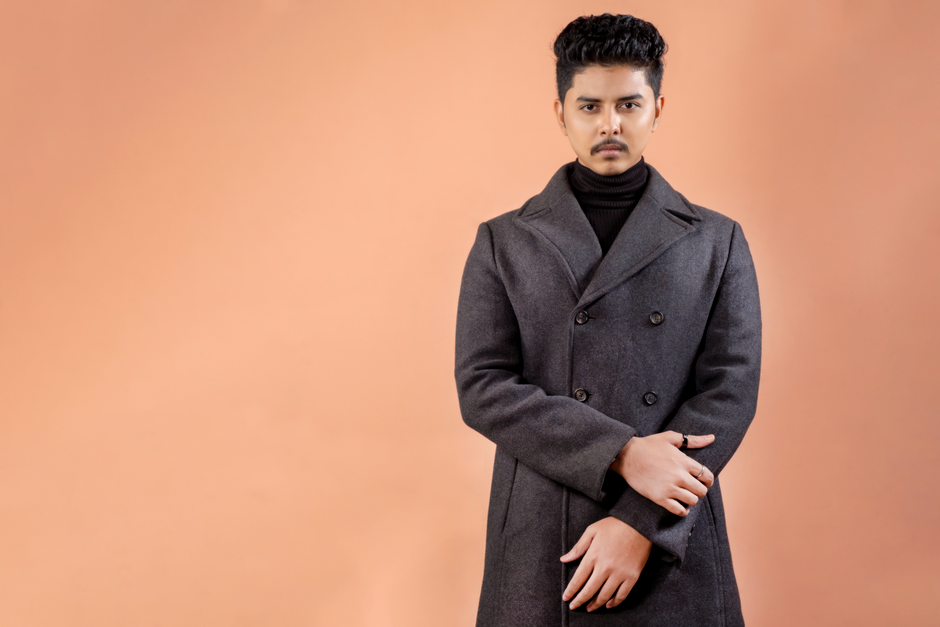
Warmth is easier to compare when the coats are judged by construction rather than appearance. The figures below use typical U.S. list prices for 2026; sales and seasonal colors can change the final price.
| Coat and example | Typical price | Useful specification | Best setting |
|---|---|---|---|
| J.Crew Ludlow Topcoat | $398 | Wool-blend, knee-length cut | Office and formal city wear |
| Schott NYC 740N Peacoat | $395 | 32-ounce melton wool, double-breasted front | Windy city commuting |
| Patagonia Jackson Glacier Parka | $499 | 700-fill recycled down, waterproof shell | Cold, wet daily wear |
| The North Face McMurdo Parka | $400 | 600-fill insulation, DryVent 2L shell | Snow, wind, and long outdoor exposure |
When the overcoat wins
The J.Crew Ludlow Topcoat is the strongest choice here for a dress-heavy wardrobe. Its longer line covers more of a suit jacket than a peacoat, and the clean shape works with trousers and leather shoes. It loses when rain protection and deep insulation matter more than polish.
When the peacoat wins
The Schott NYC 740N Peacoat is the clear pick for a shorter, tougher wool coat. Its 32-ounce melton fabric handles wind better than a thin fashion topcoat, while the double-breasted front adds useful overlap at the chest. It is less practical over a long blazer and leaves more of the legs exposed.
When the parka wins
The Patagonia Jackson Glacier Parka wins for mixed cold and wet weather. The North Face McMurdo Parka is the better value when snow protection and a roomier fit matter more than low weight. Neither belongs over a business suit unless your commute is genuinely severe.
Which coat should you wear for a daily commute?
For a standard urban commute, choose the coat that matches the worst part of the journey. A person who walks eight minutes from a warm apartment to a heated train, then spends the day indoors, will get more use from an overcoat or peacoat than from a heavily insulated parka. The shorter peacoat is easier to sit in, handles movement around buses and stations, and pairs with denim, chinos, and boots. The longer overcoat gives better coverage over tailoring and looks more deliberate at work. If the commute includes a 25-minute walk beside an open road, a river, or a windy platform, the parka becomes the practical winner because a hood, insulated sleeves, and a water-resistant shell solve problems wool cannot. Do not judge warmth from the thermometer alone. Wind exposure, damp fabric, standing still, and uncovered legs can make 35 degrees feel harsher than a dry 25-degree walk. A useful fitting test is simple: wear the thickest layer you expect to use, zip or button the coat fully, raise both arms, sit down, and reach forward. If the shoulders pull or the hem rides up, the coat will feel colder in real use. The right commute coat is the one that keeps you comfortable through the least protected part of the trip.
Five winter coat mistakes that waste money
- Buying by temperature rating alone. Most fashion coats do not publish a controlled temperature rating. A coat marked warm may feel fine at 40 degrees and fail in strong wind. Read the fabric weight, insulation type, hood design, cuff construction, and shell material together.
- Choosing a tight fit for a thick winter wardrobe. A coat should leave room for a sweater without creating large gaps at the neck or wrist. Try it over your real mid-layer. If the lining strains across the back when you reach forward, size or cut is wrong.
- Ignoring length. A short coat exposes more of the lower torso and upper legs. That can work for driving or quick errands, but it wastes the warmth of a heavy top half during a long walk. A longer coat gives more coverage but may feel awkward on a bicycle or crowded bus.
- Treating water resistance as waterproofing. Wool can shed light drizzle, but soaked wool becomes heavy and loses insulating power. A water-resistant finish also wears down with cleaning. For regular rain or wet snow, use a coated shell or a parka designed around a waterproof membrane.
- Paying for a style you will not wear. A dramatic oversized coat may look good in a fitting-room mirror and stay on the hanger once the temperature drops. Pick the silhouette that suits your normal shoes, trousers, commute, and storage space. The most expensive coat has no value if it feels wrong after ten minutes outside.
The biggest hidden cost is replacement. A cheap coat that pills, loses shape, or leaks after one season costs more than a durable coat worn for five winters. Check the care label before buying, especially if the fabric needs dry cleaning.
Men’s winter coat questions answered

Is an overcoat warmer than a peacoat?
Usually, a heavy peacoat blocks wind well because its melton wool is dense and its double-breasted front overlaps at the chest. An overcoat can feel warmer when it is longer, heavier, and worn over a proper sweater or jacket. For example, the Schott NYC 740N offers strong torso protection, while the J.Crew Ludlow Topcoat covers more of the body and works better over tailoring. The clear winner for a dry office commute is the overcoat; the clear winner for a windy, casual city walk is the peacoat.
Is a parka too casual for everyday wear?
No, but the design matters. The Patagonia Jackson Glacier Parka has a cleaner shape than a mountaineering shell and can work with dark jeans, wool trousers, and leather boots. The North Face McMurdo Parka looks more outdoors-focused and earns its bulk in snow and freezing rain. Do not buy a parka for occasional cold snaps if most of your wardrobe is formal. A wool overcoat will earn more wear.
What is the safest single-coat purchase?
For most men who split time between an office, public transport, and normal city errands, the safest single purchase is a mid- to heavy-weight wool overcoat in charcoal or navy. It covers a blazer, looks intentional at work, and remains useful with casual clothes. If your daily route includes exposed platforms, frequent rain, or more than 20 minutes outside, choose the Patagonia Jackson Glacier Parka instead. My clear recommendation is simple: buy the wool overcoat for dry, dress-led city life; buy the Patagonia Jackson Glacier Parka for cold and wet commuting; choose the Schott NYC 740N Peacoat only when a shorter, rugged wool silhouette fits your wardrobe best.