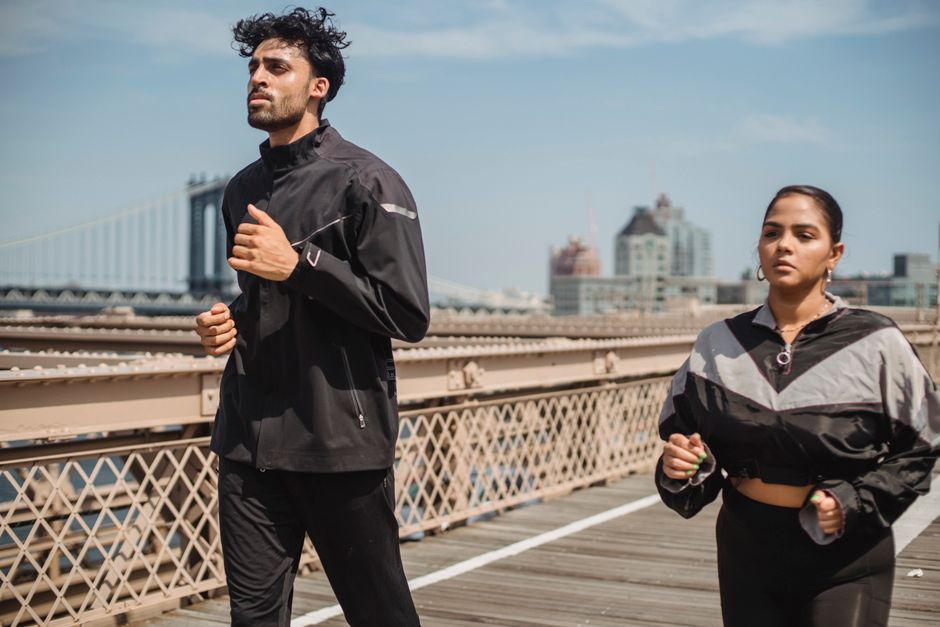
I have bought enough leggings, sports bras and running layers to know that a famous logo does not guarantee good kit. The best activewear brands UK shoppers can buy are the ones that match the garment to the workout, fit the body properly and survive repeated washing.
What activewear needs to do before it looks good
Match the fabric to the movement
Activewear exists for a simple reason: normal clothes do not manage heat, sweat, friction and repeated stretching very well. A cotton T-shirt may feel comfortable for a walk, but it holds moisture during a hard session and becomes heavy. A pair of stiff fashion leggings may look polished, yet the waistband can dig in as soon as you squat or cycle.
For training, look for a close fit, four-way stretch and fabric that returns to its shape after movement. Nylon or polyamide usually feels smoother and more durable than cheap polyester, while elastane gives the stretch. Running kit needs quick drying and reflective details. Gym leggings need opacity under tension, a waistband that stays put and enough strength to handle a barbell or bench. Pilates and yoga need softness, but not fabric so thin that it shifts when you move.
Fit is a performance feature
Try a squat, a high knee, a deep lunge and a seated stretch before removing the tags. The waistband should stay flat without needing constant adjustment. If the fabric turns pale across the seat or pulls tightly at the crotch, size up or choose a different cut. My verdict is simple: buy for the movement first and the colour second. A £45 pair that stays comfortable is better value than a £90 pair you avoid wearing.
How to choose activewear for your actual week
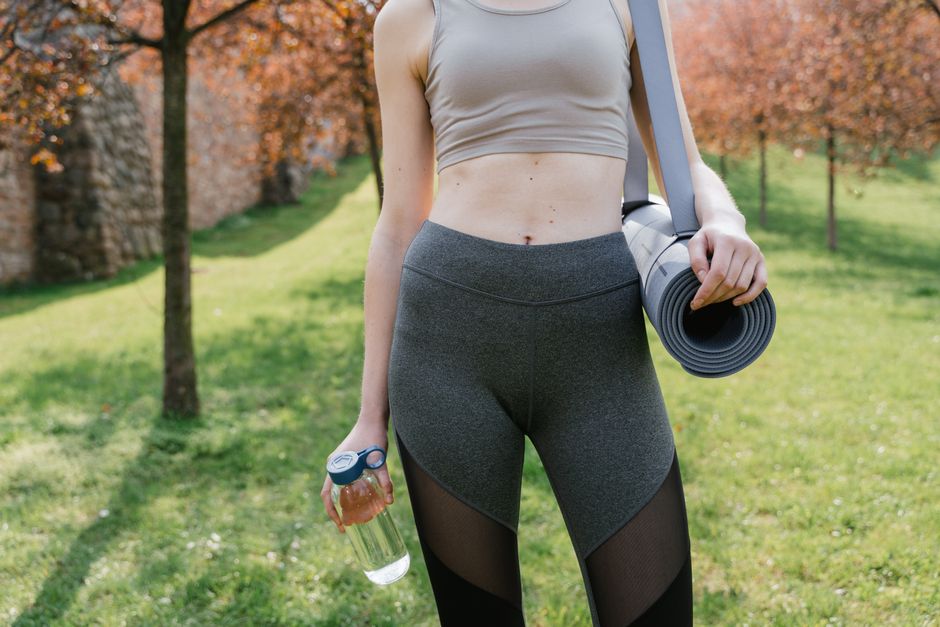
Start with the sessions, not the brand
- Write down your main workout. Pick running, lifting, studio classes, cycling, hiking or casual wear. The dominant activity should decide your first purchase.
- Count the hours of use. If you train four times a week, prioritise sweat control, wash durability and secure storage. If you attend Pilates once a week, comfort and low-friction seams matter more.
- Choose the support level. Low-impact sessions can use light support. Running, circuits and court sports need a sports bra that limits bounce without restricting breathing.
- Measure before ordering. Take waist, hip and inside-leg measurements while wearing thin clothing. Compare them with the individual garment chart rather than assuming every UK size fits the same way.
- Buy one test item first. Wear it through a full session, wash it according to the label and check the seams. Only then build a matching set.
Use a three-outfit test
Before buying a complete wardrobe, create three outfits from the same item: one for training, one for travel and one for a normal day. A black legging with a secure pocket and a clean finish earns more wear than a bright pair that only works in the gym. My verdict: build around two reliable bottoms, three tops and one layer. This keeps the cost under control and exposes weak pieces quickly.
Best UK activewear brands by workout
The table below gives a practical starting point. Prices are UK list prices or typical current listings checked in 2026; colours and sales can change. The winner in each row is the brand I would choose for that specific job.
| Workout or need | Best brand | Specific item | UK price and useful detail |
|---|---|---|---|
| Mixed training and running | Sweaty Betty | Power 7/8 Gym Leggings | About £88; 24-inch length, three pockets and a drawcord waist |
| Weight training | Gymshark | Adapt Fleck Seamless Leggings | £50 regular price; XXS to XXL, high waist, sweat-wicking and squat-proof fabric |
| Pilates and studio wear | TALA | DayFlex High Waist No Front Seam Legging | £59; full or 7/8 length, recycled polyamide and soft low-intensity fabric |
| Fast running | adidas | Adizero Short Leggings | £50; 85% recycled polyester and 15% elastane, stash pockets and reflective details |
| Road cycling | Rapha | Women’s Core Bib Shorts | £125 standard price; available from XXS to XXL and built for long rides |
For the broadest wardrobe, choose Sweaty Betty. For lifting on a tighter budget, choose Gymshark. For soft studio clothing, choose TALA. The clearest performance choice for road running is adidas Adizero, while Rapha wins when cycling comfort matters more than casual styling.
My honest comparison of Sweaty Betty, Gymshark and TALA
Sweaty Betty is the safest all-round purchase
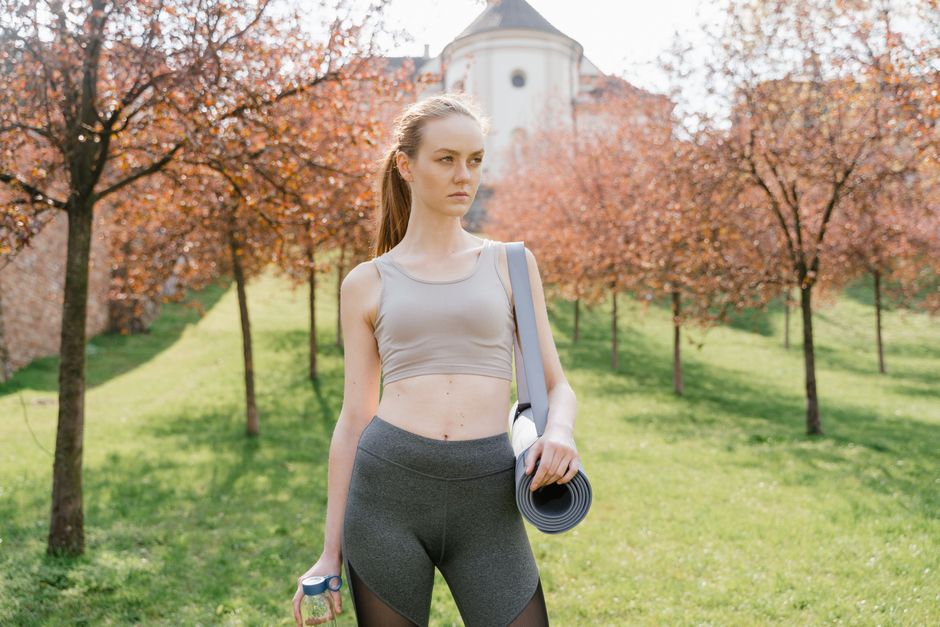
Sweaty Betty Power Leggings remain my first recommendation for someone who wants one pair to cover gym sessions, brisk walks and short runs. The Power 7/8 version has a 24-inch leg, three pockets and a drawcord, so it solves the two problems that annoy me most: leggings sliding down and nowhere to put a key. The fabric feels supportive rather than paper-thin, and the length works well on shorter legs. The weakness is price. At roughly £88, they are not an impulse buy, and I would wait for a sale if the colour is not urgent.
Gymshark wins for lifting value
Gymshark Adapt Fleck Seamless Leggings cost £50 at regular price and come in sizes XXS to XXL. Their high waist, thicker fabric and squat-proof construction suit leg days, machines and strength circuits. The look is more sculpted and gym-specific than Sweaty Betty, which some people will love and others will find too noticeable. They are not my first pick for long-distance running because seamless panels and a heavier feel can become warm. TALA DayFlex, listed at £59, is softer and offers full or 7/8 length, but its low-intensity focus makes it a poor substitute for lifting leggings. My clear ranking is Sweaty Betty for one versatile pair, Gymshark for weights, and TALA for Pilates and everyday styling.
Buy the function, not the matching set
A full Gymshark or TALA set can look excellent online, but a matching bra may not provide the support your workout needs. Buy the bottom first, then choose the bra by impact level. That small change saves money and produces a more useful wardrobe.
The activewear mistakes that ruin a good wardrobe
Mistake one: buying compression for every workout
My verdict is to stop treating tightness as quality. Compression can feel secure during running or heavy lifting, but a very firm waistband becomes distracting during Pilates, travel and long walks. It can also encourage shoppers to size down, which creates sheerness and seam stress. A good garment should feel close without making deep breathing or a seated position uncomfortable.
Mistake two: ignoring washing and storage
Fabric softener coats performance fibres and can reduce their ability to move sweat. Hot washes, tumble drying and leaving damp kit in a closed bag damage elastane faster than normal wear. Wash activewear inside out at the label temperature, use a mild detergent, close zips and let everything air-dry away from direct heat. Rotate two or three pairs instead of wearing one pair for every session. My strongest buying rule is this: never judge a legging only under shop lighting. Bend in it, sit in it, check it in daylight and inspect the stitching before the return window closes.
Activewear questions that change the buying decision
Are expensive activewear brands always better?
No. A higher price can buy better fabric, longer sizing options, stronger stitching or easier returns, but it does not guarantee the right cut. The £50 Gymshark Adapt is a better lifting purchase than a £90 soft yoga legging. The £59 TALA DayFlex is a better studio choice than a rigid running tight. Pay for the feature you will use. My verdict: premium prices make sense for high-use items, but beginners should test one garment before spending on a full collection.
What should I buy first for a small activewear wardrobe?
Buy one dark, high-waisted bottom, one medium-support bra, two sweat-wicking tops and a lightweight layer. Add pockets if you walk or run outside. Add a second bottom only after the first survives three workouts and one wash. For UK weather, a breathable long-sleeve top is more useful than another decorative crop top. If you cycle, replace one bottom with bib shorts; if you only attend low-impact classes, choose a soft 7/8 legging instead of a high-compression style.
My final activewear shortlist for UK shoppers
My pick for most people is Sweaty Betty Power 7/8. The 24-inch length, three pockets and drawcord waist make it useful across gym training, walking and short runs, and the fabric feels substantial enough for regular wear. Buy it in black or another dark neutral so it works with several tops.
Choose the Gymshark Adapt Fleck Seamless Leggings instead if lifting is your main activity and £50 is the sensible budget. Pick TALA DayFlex for Pilates, errands and soft studio dressing. Runners who want lighter fabric, reflective details and stash pockets should choose the £50 adidas Adizero Short Leggings. Cyclists should spend on Rapha Core Bib Shorts rather than forcing ordinary leggings into a long ride.
The best activewear wardrobe is not the one with the most sets. It is the one where every piece has a clear job, fits during movement and still looks good after the twentieth wash. For a single first purchase, Sweaty Betty Power 7/8 is the strongest UK choice because it offers the best balance of fit, storage, versatility and repeat wear.