
Denver Hayes is a Canadian brand sold exclusively at Mark’s Work Wearhouse. They position their winter boots as tough, affordable options for everyday cold weather. But with so many brands claiming waterproof and warm, it’s worth checking if these boots actually deliver. I spent a weekend digging into specs, reading owner reviews, and comparing them to the competition. Here’s what I found.
What Insulation Rating Do You Actually Need?
Insulation is measured in grams. 200g is moderate. 400g is cold. 600g is extreme. Denver Hayes offers boots across this range. The problem is that many buyers pick the wrong rating and end up cold or sweating.
200g Insulation: Best for Light Winter
Boots like the Denver Hayes Men’s Insulated Pac Boot (around $80 CAD) use 200g of Thinsulate. This works for temps down to about -10°C. Perfect for walking the dog or commuting in a city that doesn’t get deep freeze. You won’t overheat indoors. The trade-off: your toes will get cold if you stand still for 30 minutes in -20°C.
400g Insulation: The Sweet Spot for Most People
The Denver Hayes Men’s Winter Pac Boot (approx $100 CAD) packs 400g. This handles -20°C to -30°C. It’s the most popular model for a reason. You can shovel snow, wait for the bus, or walk for an hour without cold feet. The rubber lower and nylon upper keep snow out. Just don’t expect to run in them — they’re heavy.
600g Insulation: Overkill Unless You Live in a Freezer
The Denver Hayes Men’s Extreme Winter Boot ($120 CAD) uses 600g. This is for -40°C. If you work outdoors in Northern Canada, get these. For anyone else, they’re too warm for walking and too bulky to drive in. Your feet will sweat, and sweat + cold = worse insulation.
Verdict: For most people in most Canadian winters, the 400g model is the right choice. Don’t overshoot unless you actually sit in -30°C for hours.
How Does the Traction Hold Up on Ice?
This is where Denver Hayes gets mixed reviews. The rubber soles have decent lugs, but they’re not studded. On packed snow, they grip fine. On black ice, you’ll slip.
| Surface | Denver Hayes Performance | Competitor (e.g., Sorel Caribou) |
|---|---|---|
| Packed snow | Good grip | Good grip |
| Slushy pavement | Decent | Decent |
| Black ice | Poor — you will slip | Poor — similar |
| Deep unpacked snow | Good (deep lugs) | Good |
If you walk on icy sidewalks daily, look for boots with built-in spikes or buy aftermarket ice cleats. The Denver Hayes Women’s Winter Boot (around $90 CAD) has the same sole pattern. Same issue. No model in their lineup uses Vibram Arctic Grip or similar ice-specific rubber.
Verdict: Fine for snow. Not safe for pure ice. Plan accordingly.
Waterproofing: Real or Marketing?
Denver Hayes boots use a rubber shell on the lower half and nylon or leather on the upper. The rubber part is truly waterproof. The upper is water-resistant, not waterproof.
Step in a puddle deeper than the rubber line (about 15cm on most models), and water soaks through the fabric. This is the same on the Denver Hayes Insulated Hiker Boot ($110 CAD) and the Pac Boot. The seams are taped, but the fabric itself isn’t a membrane like Gore-Tex.
For slush and light snow, you’re fine. For slush puddles or deep snowdrifts, your socks will get wet. The fix: treat the upper with a silicone spray waterproofing product. It helps but isn’t perfect.
Verdict: Waterproof enough for daily winter wear. Not for hiking through wet marshes or deep snow.
Durability: Where Do They Fail First?
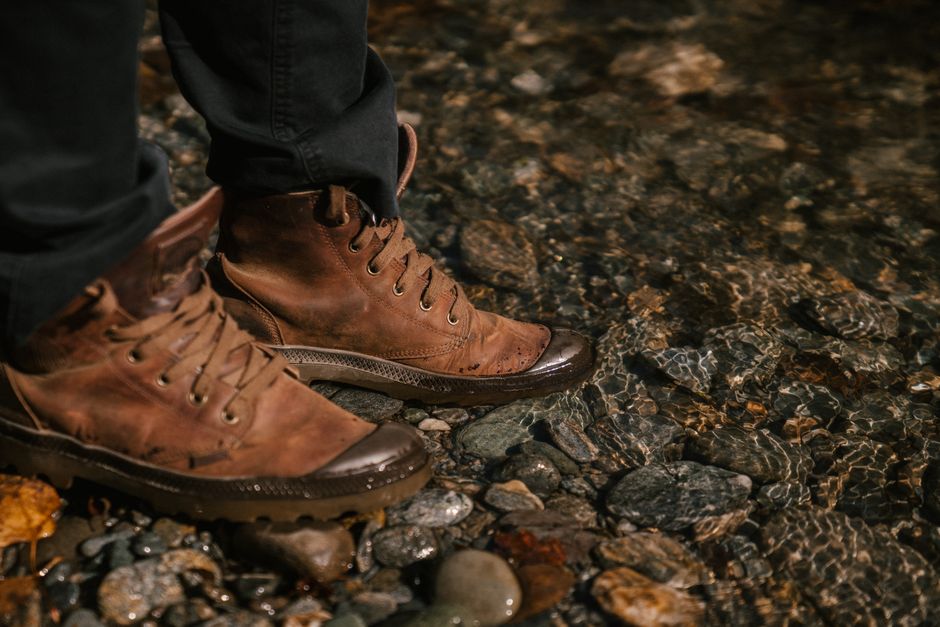
Owner reviews on Mark’s website and Redflagdeals forums point to two common failure points.
1. The sole separates from the rubber. After one or two seasons of heavy use, the glue joint between the outsole and the rubber shell can fail. This happens more often if you store boots in a hot car or near a radiator. Heat weakens the adhesive.
2. The liner wears thin. The felt or fleece liner inside the 400g and 600g models compresses over time. After a year of daily wear, the insulation is less effective. You can buy replacement liners for some models (around $20 CAD), which extends the life.
The leather on the Denver Hayes Heritage Boot ($130 CAD) holds up better than the nylon on cheaper models. If durability matters, spend the extra $30 for leather.
Verdict: Expect 2-3 winters of heavy use before repairs. The price is low enough that this is acceptable for many buyers.
When Should You NOT Buy Denver Hayes?
Denver Hayes boots are a solid budget option. But they’re not the best choice for everyone.
- You walk on ice every day. Get boots with integrated spikes, like the Muck Boot Arctic Sport ($180 CAD) or add cleats.
- You need a lightweight boot for travel. Denver Hayes boots are heavy. The 400g Pac Boot weighs nearly 1.5kg per pair. For airport hopping, get a lighter insulated boot like Columbia Bugaboot ($100-120 CAD).
- You want a sleek fashion boot. These are work boots. They’re bulky. If you need something for dinner out, get a Blundstone thermal ($220 CAD) or a Sorel Joan of Arctic ($170 CAD).
- You have very wide feet. Denver Hayes fits medium to wide, but not extra-wide. The rubber toe cap can pinch. Try before you buy.
Verdict: If you need a cheap, warm boot for casual snow use, Denver Hayes works. If your winter involves serious ice, long walks, or style, look elsewhere.
How to Make Your Denver Hayes Boots Last Longer
You can double the life of these boots with three simple habits.
1. Dry them properly. Never put wet boots on a radiator or in front of a fire. Heat destroys the glue. Stuff them with newspaper and let them dry at room temperature. Takes 12-24 hours.
2. Apply waterproofing spray. Use a silicone-based spray (like Nikwax Suede Proof, $15 CAD) on the fabric upper before first wear. Reapply every month. This prevents the fabric from soaking through in slush.
3. Replace the liner yearly. If your boots have a removable liner, buy a spare. Swap them out when the original feels thin. A new liner costs $20 and restores warmth.
Most failures happen because people neglect these steps. Do them, and your boots will last 3-4 winters instead of 2.
Verdict: Maintenance matters more than the boot itself. Cheap boots that are well cared for outlast expensive boots that are abused.
Final Verdict: Who Should Buy Denver Hayes Winter Boots?
Denver Hayes winter boots are a good value for casual winter use in moderate cold. The 400g insulated Pac Boot is the best pick for most people. It’s warm enough for -20°C, waterproof enough for slush, and costs under $100. But the traction on ice is weak, the durability is average, and the boots are heavy. If you need a cheap boot for shoveling snow and walking the dog, buy them. If you need a boot for icy commutes or fashion, spend more.
Disclosure: This article may contain affiliate links, including links connected with AWIN. Fashion Guidebook is operated by Digital Sail Technology Limited and may earn commissions at no extra cost to readers.