
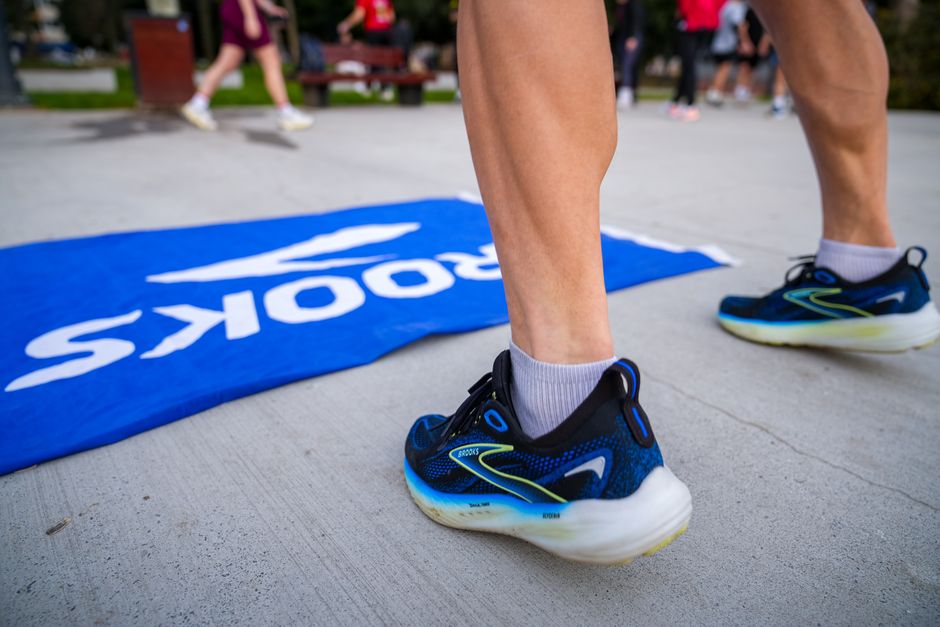
Pronation is the natural inward roll of your foot when you run. It absorbs shock. But when that roll goes too far or not far enough, injuries happen. This guide explains pronation in plain English, shows you how to check your own gait, and recommends specific shoe types for each pattern. No generic advice.
What Pronation Actually Means (and Why It Matters)
Pronation isn’t a problem. It’s a mechanism. When your foot lands, the arch flattens, the ankle rolls inward, and the foot becomes flexible to absorb impact. That’s normal pronation. About 60% of runners have it.
The Three Pronation Patterns
Neutral pronation means the foot rolls inward about 15%. The arch supports the body weight evenly. Most neutral runners do well with neutral shoes that have moderate cushioning and no extra support features.
Overpronation happens when the ankle rolls inward more than 15%. The arch collapses too much. The foot and knee twist inward with each stride. Overpronation is linked to plantar fasciitis, shin splints, and runner’s knee. About 30% of runners overpronate.
Underpronation (supination) means the foot rolls outward. The arch stays rigid. Shock absorption is poor. This pattern often leads to stress fractures and IT band issues. Roughly 10% of runners supinate.
Your gait pattern determines which shoe features will help. Buying the wrong type — like putting a stability shoe on a neutral runner — can cause new problems.
How to Check Your Pronation at Home (No Gait Lab Required)
You don’t need a treadmill or a podiatrist. Three simple tests give you a reliable answer.
Wet Foot Test
Wet your bare foot. Step onto a brown paper bag or dark concrete. Look at the print. A normal arch shows a clear curve on the inside, connecting the ball and heel. A flat print with almost no curve suggests overpronation. A very narrow print with only the heel and ball visible suggests supination.
Shoe Wear Pattern
Pull out your most-worn running shoes. Flip them over. Overpronators wear down the inside edge of the sole, near the big toe. Supinators wear down the outside edge. Neutral runners show even wear across the heel and forefoot.
Video Walk Test
Film yourself walking or running from behind. Watch your ankles. If they cave inward noticeably, you likely overpronate. If they stay rigid and tilt outward, supination is more likely.
These tests are not diagnostic. But they give you enough information to buy the right shoe category. If you want certainty, a running store with a gait analysis treadmill is worth the trip.
The Three Shoe Categories for Pronation (and Which One You Need)
Every major running shoe brand organizes its line into three categories. Here is how they map to pronation.
| Pronation Pattern | Shoe Category | Key Features | Example Models |
|---|---|---|---|
| Neutral | Neutral shoes | Moderate cushioning, no medial post, flexible midsole | Nike Pegasus, Brooks Ghost, Saucony Ride |
| Overpronation (mild) | Stability shoes | Firm foam on the inner side, medial post or guide rail | Brooks Adrenaline GTS, ASICS GT-2000, Saucony Guide |
| Overpronation (severe) | Motion control shoes | Stiff medial post, low arch, firm heel counter | Brooks Beast, ASICS Kayano, New Balance 1540 |
| Supination | Neutral shoes with high cushioning | Soft foam, flexible sole, no stability features | Hoka Clifton, Nike Invincible, Brooks Glycerin |
A stability shoe does not fix overpronation. It limits excessive inward roll using a firmer material on the arch side. Motion control shoes go further, with a rigid post that prevents almost all arch collapse. Supinators need maximum cushioning because their feet do not absorb shock naturally.
Do not buy a motion control shoe for mild overpronation. It will feel stiff and unnatural. Do not buy a neutral shoe for severe overpronation. It will collapse and cause knee pain.
Common Mistakes When Buying Running Shoes for Pronation
Most runners pick the wrong shoe for one of these reasons.
Mistake 1: Buying based on brand loyalty. Your friend loves the ASICS Kayano. But you have neutral feet. The Kayano has a medial post that will push your foot outward with every stride. Stick to the category, not the brand.
Mistake 2: Ignoring width. Overpronators often have wider feet because the arch collapses and spreads the foot. A narrow shoe will pinch and cause blisters. Many brands offer wide sizes. Brooks and New Balance are reliable for wide options.
Mistake 3: Replacing shoes too late. Running shoes lose their support foam after 300-500 miles. An old stability shoe no longer controls pronation. If the midsole feels flat or the outsole is smooth, replace them.
Mistake 4: Believing pronation is permanent. Pronation changes with weight, mileage, and injury history. A runner who overpronated at 200 pounds may become neutral after losing weight. Check your gait every six months.
Mistake 5: Buying the most expensive shoe. Price does not equal correct support. A $160 motion control shoe is worse for a neutral runner than a $100 neutral shoe. Focus on the category, then find a model within your budget.
When NOT to Buy a Stability Shoe (Even If You Overpronate)
Overpronation does not always require a stability shoe. Here are three situations where a neutral shoe is a better choice.
You are a forefoot or midfoot striker. Stability features are designed for heel strikers. If you land on your forefoot, the medial post never engages. You pay for support you do not use. A neutral shoe with a wide toe box and moderate cushioning works better.
You run on soft surfaces exclusively. Trail runners who stay on dirt and grass do not need motion control. The soft ground already absorbs some pronation. A neutral trail shoe with aggressive tread is more appropriate.
Your overpronation is gait-related, not structural. Some runners overpronate because of weak hips or tight calves. Stretching and strength training can fix the pattern. In that case, a neutral shoe plus physical therapy is better than relying on a shoe to correct a muscular imbalance.
If you are unsure, buy a neutral shoe first. Run in it for 100 miles. If you develop knee or arch pain, switch to a stability model. That trial period costs less than a misdiagnosis.
Final Verdict: Which Pronation Shoe Should You Buy?

For neutral runners, the Brooks Ghost 15 is a safe, well-cushioned daily trainer. For mild overpronation, the Brooks Adrenaline GTS 23 uses a Guide Rail system that is less aggressive than traditional medial posts. For severe overpronation, the ASICS Kayano 30 provides maximum stability without feeling like a brick. For supination, the Hoka Clifton 9 offers a plush, high-stack midsole that absorbs shock effectively.
This is not medical advice. Consult a podiatrist if you have persistent pain. But for most runners, matching your pronation pattern to the correct shoe category is the single most important buying decision you can make.
Disclosure: This article may contain affiliate links, including links connected with AWIN. Fashion Guidebook is operated by Digital Sail Technology Limited and may earn commissions at no extra cost to readers.