Leopard print has transcended fleeting trends to become a true fashion staple. It signals confidence, a touch of wildness, and undeniable chic. Yet, many struggle with how to wear it confidently without feeling overwhelmed. This guide breaks down the core principles for integrating this bold pattern into any wardrobe, ensuring chic, polished results every time.
Understanding Leopard Print Patterns
Not all leopard prints are created equal. The nuances in pattern, color depth, and spot size significantly impact the overall aesthetic. Recognizing these differences is the first step to choosing a print that complements your personal style and the garment’s purpose.
A well-chosen pattern elevates an outfit. A poorly chosen one can detract. Pay close attention to the details of the print itself before even considering the garment’s cut or fabric.
The Classic Tan and Black
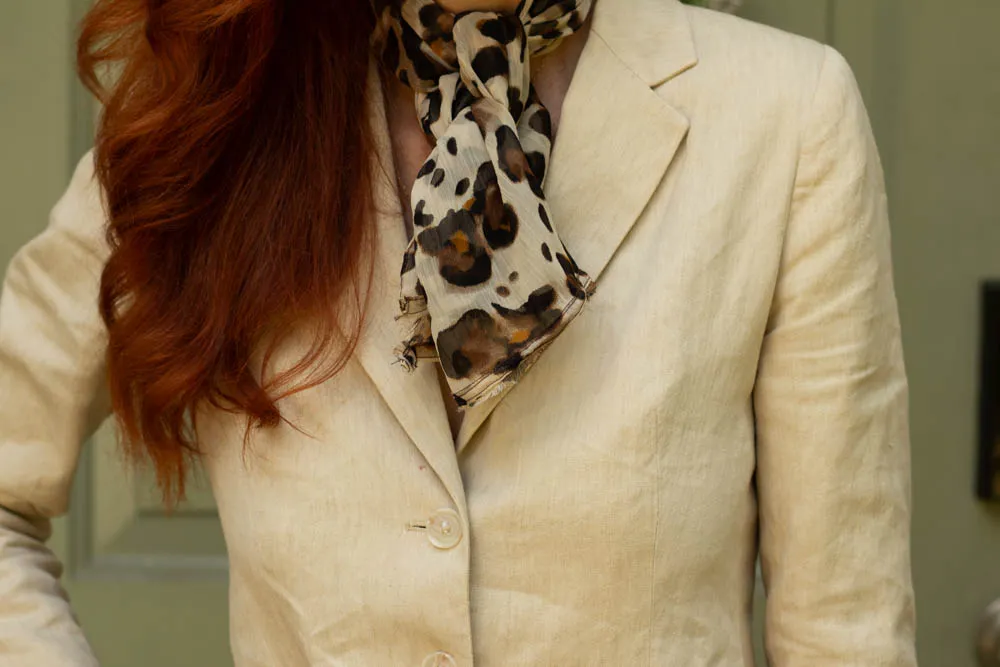
This is the most recognizable and versatile iteration of **leopard print**. It features warm, sandy tan or beige backgrounds with irregular black spots, often edged in a deeper brown. This classic variant works across a wide range of styles, from sophisticated and elegant to edgy and casual. It mimics the natural fur patterns, making it inherently balanced. When in doubt, start here. A classic tan and black print on a well-structured piece, like a tailored blazer or a pencil skirt, always reads as sophisticated.
Subtle Variations: Grey and Brown Tones
Beyond the classic, many designers offer variations that swap the traditional tan for cooler grey bases or richer, deeper brown backgrounds. Grey leopard prints offer a modern, understated take on the pattern. They often feature charcoal or slate grey with black or dark grey spots. This version feels more contemporary and pairs exceptionally well with monochromatic palettes, silver accessories, and cooler tones like navy or icy blue. Deep brown prints, on the other hand, often incorporate warmer, almost reddish-brown spots on a darker brown base, creating a luxurious, subdued effect. These are excellent for evening wear or for those who find the classic tan too bold.
Choosing Scale: Large vs. Small Spots
The size of the leopard spots dictates how subtle or striking the print appears. Large, widely spaced spots make a bolder statement. They command attention and are best used on a single **statement piece** like a maxi dress, a trench coat, or a wide-leg pant. Smaller, more densely packed spots are inherently more versatile and can be easier to integrate into everyday looks. These work beautifully on blouses, midi skirts, or accessories, offering a refined hint of pattern without overwhelming the ensemble. Consider your frame too: larger prints can sometimes overwhelm petite figures, while smaller prints might get lost on taller frames or larger garments.
Key Color Pairings for Leopard
Pairing leopard print with the right colors is crucial for a cohesive and stylish look. Certain combinations enhance its appeal, while others can clash. Understanding which colors to lean into, and which to avoid, transforms a potentially chaotic outfit into a chic ensemble. Here’s a breakdown of effective color pairings.
| Color Pairing | Effect | Recommendation |
|---|---|---|
| Classic Black | Elegant & Sophisticated | Always a winner. Use black to ground the leopard print, whether it’s a black top with a leopard skirt or black trousers with a leopard blouse. Creates a sleek, timeless look. |
| Warm Neutrals (Camel, Beige, Tan) | Soft & Refined | These colors create a harmonious blend, often echoing the natural tones within the leopard print itself. Ideal for a polished, understated aesthetic. Think a camel coat over a leopard dress. |
| Deep Jewel Tones (Emerald, Burgundy, Navy) | Luxurious & Bold | For a richer, more dramatic impact, pair leopard with deep, saturated colors. An emerald green silk top with a leopard skirt, or a burgundy sweater with leopard accessories, offers sophisticated contrast. |
| White & Cream | Fresh & Modern | Lightening the palette with crisp white or soft cream provides a contemporary edge. It makes the leopard pop without feeling heavy. Perfect for spring or summer outfits. |
| Denim (Blue, Black, White) | Casual & Effortless | Denim instantly dresses down leopard, making it suitable for everyday wear. A leopard top with blue jeans, or a leopard scarf with a denim jacket, achieves a cool, relaxed vibe. |
Avoid pairing leopard print with other busy patterns or overly bright, clashing colors like neon pink or electric blue, unless you are deliberately aiming for a highly avant-garde look. Stick to one dominant print and use solid colors to let it shine.
Integrating Leopard into Everyday Outfits
Incorporating **leopard print** into your daily wardrobe doesn’t require a complete style overhaul. It’s about strategic placement and understanding how to balance the print with existing pieces. The goal is to make leopard feel like a natural, elevated part of your ensemble, not an afterthought. Here are practical ways to build chic, everyday outfits with leopard.
The Statement Piece Approach
Choose one key item in leopard print and build the rest of your outfit around it using **neutral colors**. This is the easiest and most impactful way to wear the pattern. For instance, a flowy leopard print midi skirt can be paired with a simple black or white T-shirt and classic sneakers for a comfortable yet stylish daytime look. For a more polished office outfit, wear a tailored leopard blazer over a crisp white blouse and dark trousers. The leopard piece takes center stage, while the supporting elements keep the overall look refined. This method ensures the print doesn’t overwhelm your silhouette. Consider a leopard wrap dress paired with simple sandals for an effortless warm-weather option.
Layering for Texture and Depth
Leopard print is an excellent tool for adding visual interest through layering. A thin leopard print turtleneck peeking out from under a solid-colored sweater or a structured vest adds an unexpected touch of pattern and warmth. A leopard print slip dress worn over a plain long-sleeve tee with chunky boots creates an edgy, fashion-forward aesthetic. Consider a leopard print scarf tied around the handle of a solid handbag or draped over a simple coat. These subtle applications allow you to experiment with the print without committing to a full garment, adding depth and personality to otherwise simple outfits. This technique works particularly well during transitional seasons.
Leopard as a Neutral Base
Despite its bold appearance, leopard print can often function as a neutral, especially when featuring classic tan and black tones. Think of it as a textured brown or black. This allows you to mix it with other subtle patterns or a broader range of colors. For example, a leopard print blouse can be worn under a classic denim jacket with cream-colored trousers. The denim acts as a sturdy neutral, allowing the leopard to blend in more naturally. A leopard print camisole under an open cardigan, paired with tailored shorts, offers a chic, relaxed feel. When treating leopard as a neutral, ensure the rest of your outfit is relatively simple, allowing the print to add a sophisticated foundation rather than competing for attention.
Avoiding Common Leopard Print Mistakes
Leopard print carries a strong fashion presence. While versatile, it is easy to make styling errors that detract from its inherent chicness. The key is balance and intentionality. Making bold choices means also knowing the boundaries. Here’s how to ensure your leopard print outfits always hit the mark.
The most common error is approaching leopard print without a clear strategy. It isn’t just another pattern. It demands respect and considered pairing.
Overdoing the Print
Wearing too much leopard print at once is a common pitfall. A head-to-toe leopard ensemble often looks dated or overwhelming for everyday wear. The print is powerful; a little goes a long way. Stick to one major leopard print item per outfit. If you wear a leopard dress, keep accessories minimal and solid-colored. If you opt for a leopard coat, everything underneath should be understated. The goal is to make the leopard piece the focal point, allowing it to elevate the rest of your look, not to drown in it. Remember, less is often more when dealing with such a distinctive pattern.
Ignoring Fabric Quality
The impact of **leopard print** is heavily dependent on the **fabric quality**. Cheaply made garments with thin, synthetic materials or fuzzy textures can make the print appear tacky. Opt for pieces crafted from high-quality materials like silk, cashmere, wool, or well-structured cotton blends. A silk leopard print scarf drapes beautifully and has a luxurious sheen, while a sturdy cotton or linen blend for a skirt holds its shape well. Even a simple leopard print T-shirt looks better in a soft, thick cotton. Good fabric ensures the print looks sophisticated and elegant, rather than cheap. It also allows the garment to hang properly and maintain its form throughout the day, which is essential for a polished appearance.
Mismatched Styles
Leopard print can span various style aesthetics, from rock ‘n’ roll to bohemian to classic chic. The mistake lies in mixing too many disparate styles within one leopard print outfit. For example, pairing a sleek, tailored leopard pencil skirt with overly distressed denim and heavy combat boots might create a confusing silhouette. Instead, aim for a cohesive look. If your leopard piece is elegant (e.g., a silk blouse), pair it with equally refined items like tailored trousers and classic pumps. If it’s a more casual piece (e.g., a cotton tee), integrate it with relaxed elements like jeans and sneakers. Consistency in style ensures the leopard print enhances your chosen aesthetic rather than clashing with it. Consider the overall mood you want to convey and choose accompanying pieces accordingly.
Seasonal Adaptations: Leopard for Every Weather
Leopard print is not exclusive to one season. With thoughtful styling, it transitions seamlessly from the heat of summer to the chill of winter. The key lies in selecting appropriate fabrics and layering techniques.
How to Wear Leopard in Summer?
For warmer months, focus on lightweight fabrics and minimal pieces. Think a leopard print silk camisole paired with high-waisted linen shorts, or a flowing leopard print maxi skirt with a simple white tank top and sandals. A leopard print headscarf or a light chiffon blouse can add a touch of pattern without adding bulk or heat. Opt for prints with lighter backgrounds or cooler tones to feel fresh. Leopard print swimwear, like a bikini top or a one-piece, is also a classic summer statement, especially when paired with oversized sunglasses and a straw hat. The goal is breathability and ease.
What About Cooler Months?
When temperatures drop, leopard print shines on heavier fabrics and outerwear. A faux fur leopard print coat instantly elevates any winter outfit, worn over a black sweater and dark denim. A chunky knit leopard print cardigan adds warmth and style to a simple dress or a tee and jeans combo. Wool blend leopard print trousers or a long-sleeved dress in a heavier fabric are also excellent choices. Pair them with knee-high boots and a solid-colored trench coat. The richness of the print complements the deeper color palettes and textures common in fall and winter fashion, making it a natural fit.
Transitional Season Styling?
Spring and autumn are perfect for experimenting with layering. A leopard print midi dress can be worn with a light denim jacket and ankle boots in spring, then swapped for a leather jacket and tall boots in fall. A leopard print trench coat is ideal for unpredictable weather, providing both style and practicality. Lightweight leopard print sweaters or cardigans can be layered over crisp button-downs or under light blazers. These seasons allow for a playful mix of light and heavy elements, making leopard print a versatile player in your transitional wardrobe. Think about combining a leopard print skirt with a simple knit sweater and loafers for a comfortable yet chic autumn look.
Accessorizing with Leopard: Bags, Shoes, and Scarves
For those hesitant to embrace a full leopard garment, accessories offer the perfect entry point. They provide a powerful pop of print without overwhelming the outfit. A well-chosen leopard accessory can instantly transform a simple look into something polished and intentional.
Accessories allow for experimentation. They are an easy, low-commitment way to integrate this bold pattern. The impact is significant, yet controlled.
- Handbags: A structured leopard print clutch or a small crossbody bag adds an element of chic sophistication. It pairs beautifully with an all-black outfit or a monochromatic ensemble in camel or cream.
- Shoes: Leopard print ballet flats, loafers, or ankle boots provide an unexpected touch of pattern at your feet. They can elevate simple jeans and a T-shirt or add personality to a tailored suit.
- Scarves: A silk leopard print scarf is incredibly versatile. Tie it around your neck, in your hair, on the handle of your bag, or even as a belt. It’s a classic way to incorporate the print with elegance.
- Belts: A slim leopard print belt can cinch a dress or define the waist of trousers, adding a subtle yet impactful detail that pulls an outfit together.
By focusing on these smaller elements, you can enjoy the flair of leopard print without it dominating your entire look, ensuring a sophisticated and stylish outcome every time.
Leopard Print Essentials: A Quick Guide
Mastering leopard print is about strategic choices and confidence. Keep these key points in mind for effortless style.
- Start Small: If new to leopard, begin with accessories like a scarf or shoes.
- Choose Quality: Opt for good **fabric quality** to ensure a sophisticated look.
- Balance is Key: Pair one leopard **statement piece** with solid, neutral colors.
- Understand Patterns: Differentiate between classic, subtle, and scale variations to pick the right print.
- Color Pairings: Stick to classic black, warm neutrals, or deep jewel tones for elegant combinations.
- Seasonal Adaptations: Adapt fabrics and layering for year-round wear, from light silks in summer to cozy wools in winter.