
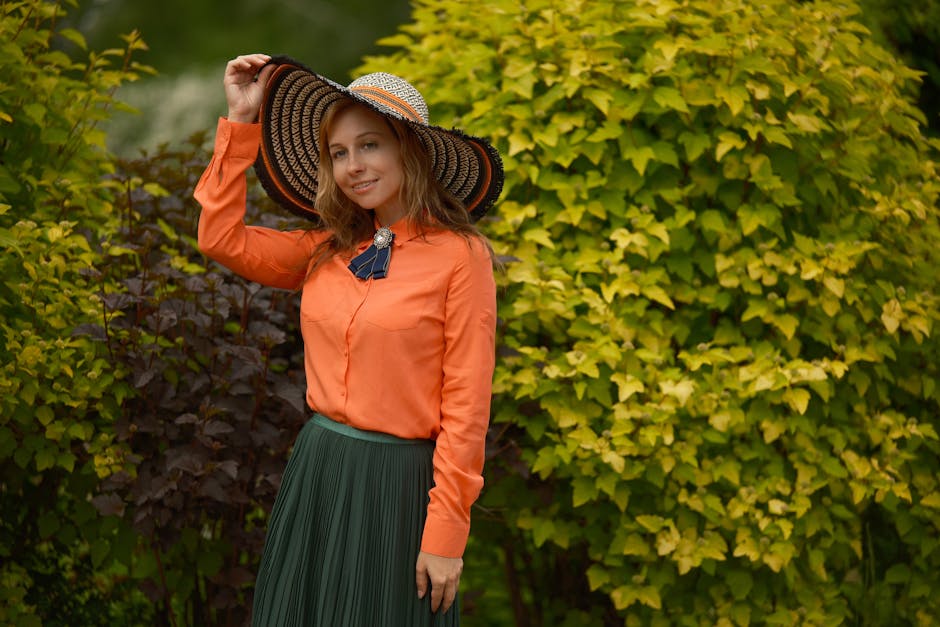
When two people enter a space together, the human eye does not perceive them as isolated figures but as a singular visual composition. This collective aesthetic weight is determined by how their respective silhouettes and colors interact with one another and the surrounding environment. While the impulse for many couples is to match identically—a phenomenon often seen in themed events or outdated photography trends—true sartorial harmony is achieved through the technical application of color theory and fabric dynamics. Coordination is an exercise in balance, ensuring that neither individual overwhelms the other while maintaining a unified narrative that feels intentional rather than accidental.
What are the fundamental principles of color coordination for couples?
The most effective starting point for any couple is the color wheel, a tool that transcends temporary fashion trends. Professional stylists rely on four primary strategies: complementary, analogous, triadic, and monochromatic harmonies. Complementary colors sit opposite each other on the wheel—think navy blue and burnt orange. When these are worn by two people, the high contrast creates a vibrant energy that draws the eye. Analogous colors, which sit next to each other, offer a more harmonious and serene aesthetic. For example, one partner wearing forest green and the other in a muted olive creates a cohesive visual narrative without the jarring effect of identical fabrics.
The triadic strategy is often the most difficult but rewarding. This involves choosing three colors equally spaced around the wheel, such as muted purple, olive green, and burnt orange. In a couple’s context, this might mean one partner wears an olive chino while the other wears a purple-toned blouse, with both incorporating orange accents in their accessories. This creates a sophisticated complexity that suggests a high level of style literacy.
Data from retail trend reports suggests that the “bridge color” technique is currently the most successful method for modern coordination. This involves choosing one neutral base—such as charcoal, beige, or stone—that both partners incorporate into their look, while using distinct but related accent colors. This provides a structural anchor for the outfits. It is also necessary to consider the Light Reflectance Value (LRV) of the fabrics. If one partner wears a high-reflectance white and the other wears a low-reflectance matte black, the camera (and the human eye) may struggle to balance the exposure, often leaving one person looking washed out or the other appearing as a dark silhouette.
Technical Comparison of Coordination Strategies
| Strategy | Visual Impact | Best Use Case | Difficulty Level |
|---|---|---|---|
| Monochromatic (Tonal) | Sophisticated, elongating | Formal events, high-end galas | Low |
| Complementary | High energy, bold | Engagement photos, outdoor festivals | Medium |
| Analogous | Harmonious, soft | Casual outings, family gatherings | Low |
| Triadic | Eclectic, artistic | Fashion weeks, creative shoots | High |
| Neutral with Pop | Modern, clean | Streetwear, urban photography | High |
How do complementary color schemes enhance visual balance in couple photography?
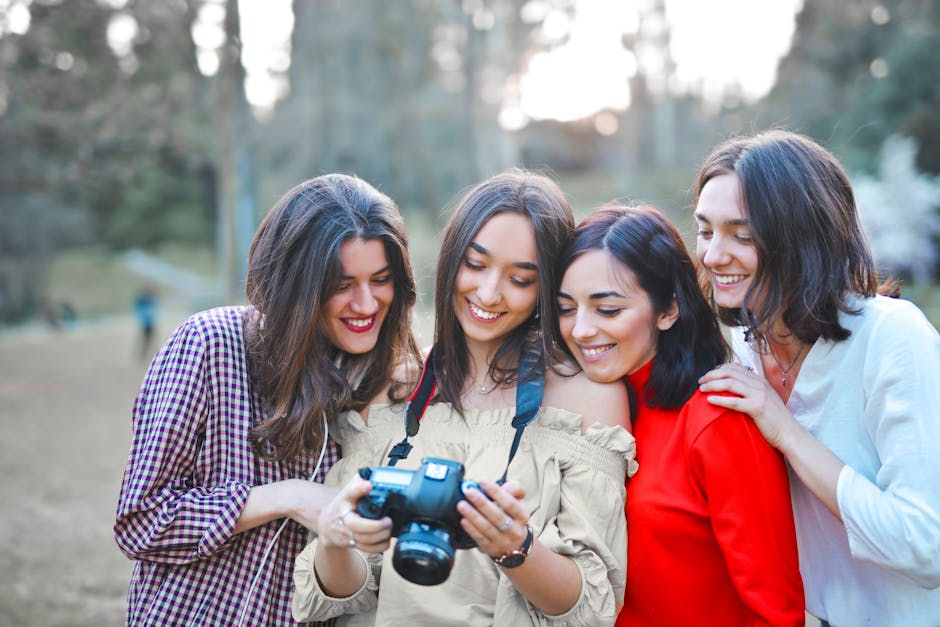
Photography is essentially the management of light and contrast. When a couple utilizes complementary colors, they create a natural “pop” against their background, which is particularly useful in wide-angle environmental portraits. A classic example is the pairing of blue and gold. If one partner wears a navy blazer from Marks & Spencer (such as the Sartorial Navy Wool Suit Jacket, approx. £115) and the other wears a mustard yellow midi dress, the two colors intensify each other through a process known as simultaneous contrast. The navy appears deeper, and the yellow appears brighter, creating a focal point that anchors the image.
However, the execution must be precise to avoid looking like a sports team uniform. The expert approach is to vary the saturation and value. Instead of bright red and bright green, consider a deep burgundy paired with a sage green. This maintains the color theory logic while making the look wearable in a real-world setting. Brands like ASOS offer a wide range of “Design” series items that allow for this type of experimentation at a mid-range price point. For instance, an ASOS DESIGN Slim Suit in Forest Green (approx. £110) pairs exceptionally well with a partner wearing a blush pink or champagne silk garment from the ASOS Edition collection.
When selecting these items, pay attention to the “color temperature.” A cool-toned blue (with silver or grey undertones) will clash with a warm-toned gold (with orange or brown undertones). Keeping the temperature consistent across both outfits is the secret to making different colors look like they belong together. This is especially important when shopping across different retailers, as “navy” at Uniqlo may have a significantly different temperature than “navy” at M&S.
Product Recommendations for Complementary Styling
- ASOS DESIGN Wedding Suit in Burgundy: Approx. £120. Specs: Slim fit, polyester/viscose blend, button fastening. Pro: Excellent color depth for autumn photos and very affordable for occasional wear. Con: Synthetic fabric blend may lack breathability in warm environments.
- Marks & Spencer Pure Silk Blouse in Champagne: Approx. £69. Specs: 100% silk, standard fit, button-through front. Pro: Natural luster enhances skin tones and provides a high-end finish. Con: High maintenance; requires professional dry cleaning to maintain the silk’s integrity.
- Uniqlo U Crew Neck T-Shirt in Navy: Approx. £15. Specs: 100% heavy cotton, boxy fit. Pro: High-density cotton holds color through multiple washes without fading. Con: The heavy fabric can feel stiff and may not drape as well on smaller frames.
- New Balance 550 Sneakers in White/Green: Approx. £120. Specs: Leather upper, rubber outsole, vintage aesthetic. Pro: A perfect “bridge” item that works for both partners. Con: Leather requires regular cleaning to maintain the “crisp” look required for coordinated outfits.
What are the best monochromatic and tonal outfit combinations for formal events?
For formal settings, the monochromatic approach is often the most resilient choice, yet it is frequently misunderstood. Monochromatic does not mean wearing the exact same shade of black or navy. In fact, doing so is a common mistake because different fabrics—wool, silk, polyester—absorb and reflect light differently. A black wool tuxedo next to a black polyester dress can look mismatched because one will appear “blacker” than the other, often making the cheaper fabric look slightly green or brown in comparison. The goal is tonal variation: using different shades and textures within the same color family.
Consider a palette of greys. One partner might wear a charcoal herringbone suit from Marks & Spencer’s Autograph collection (approx. £150 for the jacket), while the other wears a silver silk slip dress from ASOS. The difference in texture—the rough, matte wool versus the smooth, reflective silk—adds depth to the couple’s appearance. This creates a 3D effect that is far more interesting than a flat, identical match. When shopping at retailers like Farfetch for designer pieces or M&S for staples, look for pieces that share a common undertone. If the grey has a blue undertone (cool), both partners should stay in the cool spectrum. Mixing a warm, brown-based grey with a cool, blue-based grey creates a subtle visual discord that the viewer may perceive as “off” without knowing why.
Focus on the undertone rather than the primary color. A “warm” white and a “cool” white will clash more aggressively than two entirely different colors that share the same temperature.
Steps for Executing a Tonal Formal Look
- Identify the base color: Choose a core hue that suits both skin tones (e.g., Navy, Charcoal, Emerald).
- Determine the undertone: Check if the color leans toward Warm (yellow/red base) or Cool (blue/grey base).
- Select garments in at least two different textures: Mix Matte Wool, Satin, Velvet, or Chiffon to create visual separation.
- Apply the “Depth Rule”: Ensure the darker shade is placed on the area you wish to minimize, as dark colors recede visually, while lighter tones project.
- Use accessories as bridges: A pocket square or jewelry can incorporate a secondary shade from the partner’s outfit to tie the looks together.
How can couples coordinate casual streetwear without appearing identical?
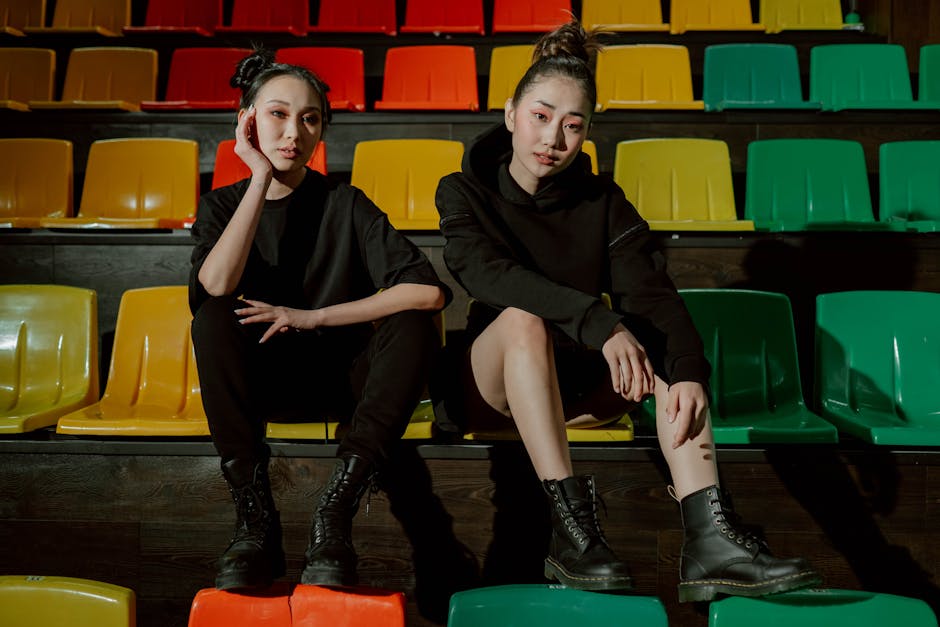
Streetwear coordination is perhaps the most difficult to master because the silhouettes are often oversized and the branding can be loud. The “matchy-matchy” tracksuit look has largely been relegated to a specific 2000s-era aesthetic that lacks contemporary refinement. Instead, modern streetwear coordination relies on the “distributed palette” method. If partner A is wearing a sneaker with a specific accent color—say, the orange on a pair of Nike Air Jordan 1s—partner B might incorporate that same orange into a small accessory, a graphic element on their hoodie, or even their socks.
This creates a visual thread that ties the two outfits together without requiring them to share any major garments. Neutral anchors are essential here. Using black, white, or cream as the majority of the outfit (70-80%) allows the coordinated colors to stand out. For example, both partners wearing Uniqlo Wide-Fit Chinos (approx. £35) in different neutrals (one in beige, one in olive) creates a shared silhouette. From there, they can coordinate via their footwear or headwear. It is a subtle nod to unity rather than a broadcast. This approach also allows for individual style to shine through, which is the hallmark of a truly well-dressed couple.
Retailers like Foot Locker or ASOS are ideal for sourcing these bridge items. When selecting sneakers, look for models that offer “unisex” colorways. The New Balance 550 (approx. £120) is a prime example. Pro: Timeless silhouette that works for all genders and styles. Con: Sizing can be inconsistent between “men’s” and “women’s” labels, so checking the centimeter or Japanese sizing (CM/JP) on the box is advised for accuracy.
The Role of Texture and Fabric Weight in Color Perception
One of the most overlooked aspects of couple coordination is the physical weight and texture of the fabrics. Even if two colors are perfectly matched on the color wheel, a significant mismatch in fabric weight can make the couple look disjointed. For instance, if one partner is wearing a heavy, structured wool coat and the other is in a thin, flowing chiffon dress, the visual “gravity” of the two people is unbalanced. To achieve a professional look, aim for “textural resonance.”
Textural resonance doesn’t mean wearing the same fabric, but rather fabrics that share a similar level of formality and seasonal appropriateness. In the winter, pairing M&S Cashmere with Heavy Tweed or Corduroy creates a cozy, rich aesthetic. In the summer, Linen and Seersucker work together because they both possess a natural, slightly wrinkled texture that communicates a relaxed, breathable vibe. Furthermore, texture affects how color is perceived: a “matte” fabric like cotton will absorb light and make a color look darker and more grounded, while a “lustrous” fabric like satin will reflect light and make the same color appear lighter and more energetic.
Common Texture Pairings for Couples
- Leather and Denim: A classic “edgy” pairing. The slight sheen of leather complements the matte, rugged texture of denim.
- Silk and Velvet: Ideal for evening wear. Both are luxury fabrics but reflect light in opposite ways—silk is a direct reflection, while velvet is a soft, diffused glow.
- Linen and Cotton: The gold standard for casual summer coordination. Both are plant-based fibers that share a similar “organic” visual weight.
- Wool and Suede: Perfect for autumn. Both have a “soft” visual profile and hold rich, earthy pigments exceptionally well.
Which seasonal color palettes provide the highest aesthetic ROI for outdoor portraits?
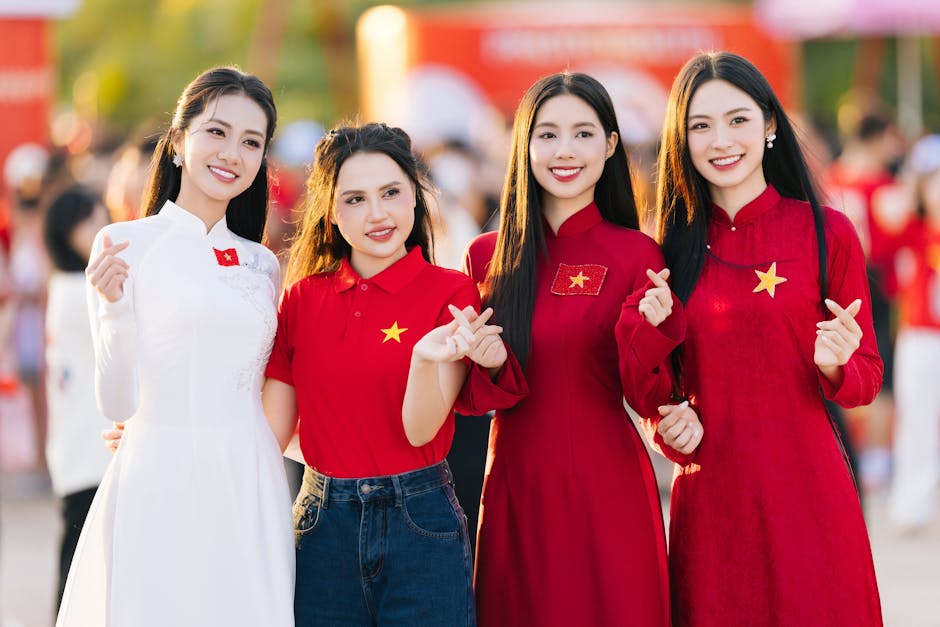
The environment acts as the third member of the outfit coordination. A palette that looks stunning in a concrete urban setting may fail in a lush forest. For spring and summer, the goal is to compete with the brightness of the sun without being overwhelmed by it. Pastels are the standard, but “dusty” versions—like dusty blue or muted lavender—photograph significantly better than high-saturation neons. They allow the skin tones to remain the focal point. During these months, linen is the superior fabric choice. A Marks & Spencer Linen Rich Shirt (approx. £35) provides a matte texture that prevents glare in high-noon sun.
In autumn and winter, the landscape shifts toward desaturated browns, oranges, and greys. This is the season of jewel tones. Emerald green, ruby red, and sapphire blue provide a necessary contrast to the dying foliage. These colors have a lower Light Reflectance Value, which gives them a sense of weight and luxury. When coordinating for winter, layering becomes the primary tool for color matching. A couple can match their scarves or the lining of their coats rather than the coats themselves. This creates a “reveal” effect when they are indoors or move in a certain way, adding a layer of sophistication to the coordination.
Seasonal Palette Recommendations
| Season | Primary Couple Palette | Recommended Fabric | Retailer Focus |
|---|---|---|---|
| Spring | Sage, Cream, Blush | Linen/Cotton Blends | Uniqlo, M&S |
| Summer | Sky Blue, White, Tan | Seersucker, Silk | ASOS, Reiss |
| Autumn | Rust, Olive, Mustard | Wool, Corduroy | Farfetch, Zara |
| Winter | Navy, Burgundy, Charcoal | Cashmere, Heavy Tweed | Marks & Spencer |
Common Pitfalls: Why Exact Matching Often Fails
The most frequent error couples make is the “Uniform Trap.” This occurs when both partners wear the exact same garment in the exact same color. While this might work for a humorous Christmas card, in a fashion context, it flattens the individuality of both people and creates a “visual block” that is difficult for the eye to navigate. It also tends to highlight differences in body type or height in a way that can be unflattering for one or both partners.
Another common mistake is ignoring the background. If you are taking photos in a park with a lot of green foliage, wearing green outfits—even if they are perfectly coordinated with each other—will cause you to blend into the background, effectively “erasing” the couple from the composition. In this scenario, a complementary color like burgundy or a neutral like cream would be far more effective. Finally, avoid over-accessorizing. If both partners are wearing coordinated hats, scarves, and shoes, the look becomes “costumey.” Pick one or two points of connection and let the rest of the outfit remain independent.
A final technical consideration is the “Rule of Three.” No couple should attempt to coordinate more than three distinct colors between them. Once you introduce a fourth or fifth hue, the visual data becomes too complex for the brain to process as a coordinated unit. Stick to two neutrals and one shared accent color, or one neutral and two complementary colors. This constraint ensures that the outfits remain sophisticated. Whether you are shopping for a high-end gala at Farfetch or a casual weekend walk with Uniqlo basics, applying these color theory principles will result in a more cohesive and professional appearance than simply buying two of the same t-shirt.