
Every summer, the ritual repeats itself: a frantic search for a new swimsuit. You scroll through endless online retailers, brave the harsh lighting of changing rooms, only to find flimsy fabrics, ill-fitting cuts, and designs that feel utterly disposable. The seams pucker, the elastic gives out after a few washes, and the unique style you hoped for is just another mass-produced trend. It’s a frustrating cycle that leaves many feeling less than confident, longing for swimwear that truly fits, flatters, and endures. If you’re tired of the fleeting nature of modern swimwear and crave something with character, quality, and a story, it’s time to look back in time.
This year, in 2026, the solution to this annual swimwear dilemma isn’t found in the latest fast-fashion drop, but in the enduring legacy of
The Modern Swimwear Dilemma: Why Vintage Offers a Better Fit and Feel
Modern swimwear often falls short on several critical fronts. The relentless pursuit of newness in fast fashion leads to compromises in material quality and construction. Fabrics might be thin, offering little support or opacity, and the elastic often loses its stretch prematurely. Worse, the fit can be inconsistent, with sizing varying wildly between brands, leaving shoppers guessing and frequently disappointed. There’s a tangible lack of individuality, too, as popular styles quickly become ubiquitous, diluting any sense of unique personal expression.
The Frustration with Fast Fashion Swimwear
Think about the last time you bought a new swimsuit. Did the fabric feel substantial? Did the stitching look robust? For many, the answer is no. Contemporary manufacturing often prioritizes speed and cost over durability. This results in suits that stretch out quickly, fade after a few exposures to sun and chlorine, and offer minimal structure or support. The inherent design flaw in many modern bikinis is their disposability; they are not intended to be long-term wardrobe staples. This contributes to textile waste and leaves consumers perpetually searching for a replacement.
Why Vintage Swimwear Stands Apart
Vintage swimwear, by contrast, was often crafted with longevity in mind. Brands from the mid-20th century, for example, used materials like Lastex, a rubber-thread elasticized yarn, which provided incredible stretch, support, and shape retention long before Spandex became common. The construction methods were also different, often featuring double-lining, sturdy stitching, and clever design elements like built-in bras or tummy control panels, all contributing to a more flattering and secure fit. Purchasing vintage is also an inherently sustainable choice, extending the life cycle of garments and reducing demand for new production.
Beyond Aesthetics: The Comfort Factor of Yesteryear
Comfort in swimwear isn’t just about soft fabric; it’s about how the garment moves with your body and provides adequate support. Vintage designs often excel here. The heavier, more structured fabrics like woven nylon or elasticized cotton blends, common in the 1940s through the 1960s, offered a compression that felt supportive without being restrictive. Cuts were often designed to flatter a range of body types, with higher waists, fuller coverage briefs, and expertly tailored tops providing a sense of security that many modern, minimalist designs lack. This blend of support and considered design translates directly into a more comfortable and confident wear experience.
Decoding Authenticity: What Really Makes a Bikini “Vintage”?

The term “vintage” gets thrown around a lot, sometimes inaccurately applied to anything older than last season. However, true vintage swimwear possesses specific characteristics that distinguish it from mere second-hand items or retro-inspired reproductions. Understanding these indicators is crucial for any discerning shopper looking to invest in genuine quality and historical style.
- Age Verification: For an item to be considered truly vintage, it generally needs to be at least 20 years old. In 2026, this means pieces from the early 2000s or earlier. Anything older than 100 years is typically classified as “antique.” The sweet spot for classic vintage swimwear often spans from the 1940s to the 1980s, offering a rich variety of styles and construction methods.
- Fabric Composition: Before the widespread use of Spandex (Lycra) in the late 1950s and 60s, swimwear relied on materials like Lastex (an elasticized cotton or rayon blend), woven nylon, wool, and even cotton gabardine. True vintage pieces from earlier eras will reflect these older fabric technologies. Post-60s vintage will often incorporate early forms of Nylon/Spandex blends, which still differ in feel and elasticity from modern ultra-stretchy fabrics. Look for fabric content tags, though older pieces might not have them.
- Construction Details: Examine the stitching. Older vintage pieces often feature robust, intricate stitching, sometimes with internal reinforcement, especially around seams and stress points. Built-in elements like boning, full lining, structured cups, and even zippers (especially on one-piece suits) are common in mid-century swimwear. Elastic in vintage pieces, particularly waistbands and leg openings, tends to be encased or robustly sewn in, rather than simply serged.
- Labels and Branding: Authentic vintage swimwear will bear labels consistent with the brand’s aesthetic and manufacturing practices of its era. Researching known vintage brands (like those discussed later) and their typical labeling can help. Faded or worn labels are common, but the presence of a known vintage brand label is a strong indicator of authenticity. Be wary of generic labels or those that look too “new” for the purported age.
- Design Elements: The cut and silhouette should align with the prevailing fashion trends of the specific era. For example, high-waisted briefs and structured tops were dominant in the 40s and 50s, while skimpy string bikinis became popular in the 70s. Details like ruching, decorative buttons (often non-functional), and specific print patterns (e.g., novelty prints from the 50s, geometric patterns from the 60s) also help date a piece.
- Condition Considerations: While vintage items won’t be pristine, their condition should reflect their age without compromising wearability. Minor fading or slight elastic wear might be acceptable, but significant damage, stretched-out elastic, or brittle fabric are signs that a piece might be past its prime.
Iconic Eras of Swimwear Design: Finding Your Retro Aesthetic
Swimwear fashion has evolved dramatically over the decades, reflecting societal changes, technological advancements in fabrics, and shifting ideals of beauty. Understanding these distinct eras can guide you to the specific
The Roaring Twenties to the Fabulous Fifties
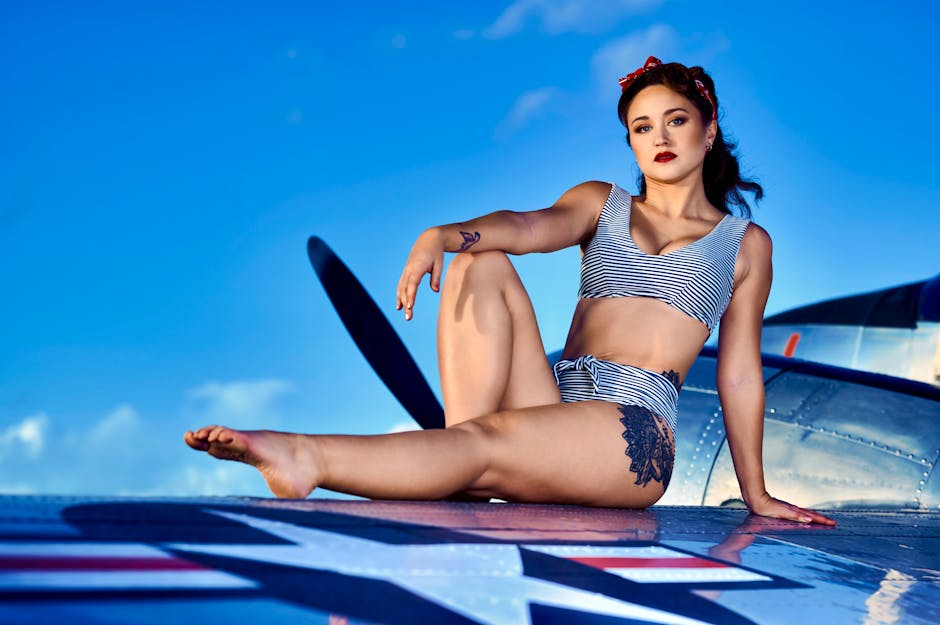
The early 20th century saw modest, often wool, bathing costumes. By the 1940s and 50s, post-WWII optimism ushered in the era of the two-piece, though the term “bikini” was still somewhat scandalous. These suits were characterized by high-waisted bottoms, often featuring control panels for tummy flattening, and structured, often boned, halter or bandeau tops. The silhouette emphasized an hourglass figure. Fabrics like Lastex were key for their supportive stretch. Patterns ranged from sophisticated solids to playful novelty prints like polka dots, stripes, and subtle florals. Think Hollywood glamour and pin-up curves.
The Swinging Sixties and Psychedelic Seventies
The 1960s brought a revolution in swimwear, fueled by youth culture and the increasing acceptance of the bikini. Cuts became less structured, embracing geometric patterns, bold color blocking, and innovative uses of synthetic fabrics like early nylon/spandex blends. Bottoms became lower-rise, and tops were often less padded. The 1970s pushed this further with string bikinis, cut-outs, and more daring designs, reflecting a freer, more individualistic spirit. Earth tones, tie-dye, and vibrant, abstract patterns were popular. Fabrics were lighter, quicker-drying, and stretchier, leaning into comfort and minimal coverage.
Eighties Revival and Nineties Minimalism
The 1980s were defined by bold, athletic aesthetics. High-cut leg openings, often extending above the hip bone, were dominant, paired with often minimalist tops or bandeau styles. Neon colors, animal prints, and metallic finishes were everywhere. The fabric technology continued to advance, allowing for more durable and form-fitting designs. The 1990s brought a return to minimalism and understated chic. Solid colors, often black or white, and simple, clean lines were favored. Athletic-inspired cuts persisted, but with a more pared-back approach. Many suits from this era feature thicker, more substantial spandex blends, offering excellent shape retention.
| Era | Key Design Characteristics | Typical Fabrics | Signature Looks |
|---|---|---|---|
| 1940s-1950s | High-waisted bottoms, structured tops (halter/bandeau), tummy control, full coverage, ruched details. | Lastex (rubber/rayon blend), woven nylon, cotton gabardine, wool. | Pin-up girl, hourglass silhouette, classic glamour. |
| 1960s-1970s | Lower-rise bottoms, less structured tops, geometric prints, cut-outs, string bikinis, minimalist shapes. | Early nylon/spandex blends, polyester, cotton. | Youthful, mod, bohemian, free-spirited. |
| 1980s-1990s | High-cut legs, athletic cuts, neon colors, animal prints, minimalist solids, wider elastic bands. | Nylon/Spandex blends, Lycra, textured synthetics. | Athleisure, bold, understated chic. |
The Unforgettable Names: Top Vintage Bikini Brands to Hunt For

When embarking on your quest for the perfect
The Enduring Legacy of Cole of California
Cole of California stands out as a titan in American swimwear history. Founded in 1923, they were at the forefront of swimwear innovation for decades. Known for their sophisticated designs, meticulous construction, and pioneering use of fabrics like Lastex, Cole suits offered both glamour and excellent fit. Look for their high-waisted briefs and structured halter or bandeau tops from the 1940s and 50s. These pieces often feature internal boning, sturdy closures, and creative ruching that flatters the figure. A genuine Cole of California bikini from this era will feel substantial, offer incredible support, and possess a timeless elegance that modern brands struggle to replicate. Their quality ensures that, even decades later, the elastic often retains significant integrity.
Jantzen and Catalina: The American Sportswear Icons
Jantzen, famous for its “Diving Girl” logo, began in 1910 and initially focused on knitted wool bathing suits. By the mid-century, they transitioned to Lastex and nylon, producing stylish, athletic-inspired swimwear that was both fashionable and functional. Jantzen suits are often characterized by their clean lines, comfortable fit, and durability, making them excellent choices for active beachgoers. Similarly, Catalina Swimwear, particularly from the 1940s through the 1960s, produced some of the most iconic swimwear of the era. Catalina was known for its vibrant prints, playful designs, and commitment to quality construction. Their suits frequently featured clever design elements like adjustable straps, built-in bras, and tummy control. Both Jantzen and Catalina offer a fantastic blend of classic American style and lasting quality, ideal for those who appreciate both fashion and function in their swimwear.
Rose Marie Reid and Bobbie Brooks: Mid-Century Glamour
For those who covet high-end, glamorous vintage swimwear, Rose Marie Reid is an unparalleled name. Active primarily from the 1940s to the 1960s, Reid’s designs were renowned for their exquisite detailing, luxurious fabrics, and often elaborate embellishments like sequins, embroidery, and intricate draping. Her pieces were true works of art, often favored by Hollywood stars, offering unparalleled elegance and sophistication. Finding a two-piece from Rose Marie Reid can be rare, but when located, it’s a statement piece. On a slightly more accessible but equally stylish note, Bobbie Brooks, while not exclusively a swimwear brand, produced charming and fashionable bikinis during the 1960s and 70s. Their styles often leaned into the younger, more playful aesthetics of the era, with bright colors, fun prints, and slightly less structured designs than their 50s counterparts. Bobbie Brooks offers a great entry point into vintage swimwear with a more youthful, mod sensibility.
Preserving Your Retro Gem: Care and Sizing for Longevity

Acquiring a beautiful
How Do I Clean Vintage Swimwear Without Damage?
Caring for vintage swimwear is paramount to its survival. The elastic and older synthetic fabrics can be more delicate than modern materials. Generally, hand washing is the safest method. Use a mild, pH-neutral detergent specifically designed for delicate fabrics. Fill a basin with cool water, add a small amount of detergent, and gently swish the swimsuit. Avoid harsh scrubbing or twisting. Let it soak for no more than 15-20 minutes. Rinse thoroughly under cool, running water until all soap is removed. Do not wring or machine dry. Instead, gently press out excess water with a clean towel and lay the suit flat or hang it to air dry in the shade. Direct sunlight can fade colors and degrade elastic over time. Always check for care tags if present, but err on the side of caution with gentle methods.
What Are Key Sizing Differences in Vintage Pieces?
Vintage sizing is notoriously different from modern sizing. A size 8 from the 1950s is significantly smaller than a modern size 8. This discrepancy is due to evolving fashion standards and the phenomenon of “vanity sizing.” Always, always rely on actual garment measurements rather than the tag size. Measure your own bust, waist, and hips, and compare them directly to the seller’s provided garment measurements. For swimwear, it’s also crucial to consider the amount of stretch. Older Lastex or nylon blends might have less give than contemporary Spandex. If in doubt, sizing up slightly can be safer, as it’s easier to take in a suit than to let one out. Pay close attention to the rise of the bottoms and the cup size of the tops, as these can vary greatly between eras and brands.
Where Are the Best Places to Discover Authentic Vintage Brands?
Finding genuine vintage swimwear requires a bit of detective work and patience. Online marketplaces are a prime hunting ground. Sites like Etsy, eBay, and specialized vintage clothing websites often have dedicated sections for swimwear. Always scrutinize photos, read descriptions carefully, and don’t hesitate to ask sellers for additional measurements or close-up pictures of fabric and stitching. Reputable vintage boutiques, both online and brick-and-mortar, are also excellent sources, as their items are usually curated and authenticated. Lastly, local thrift stores, consignment shops, and vintage fairs can yield incredible finds, though they require more digging and a keen eye for quality. Always remember to check for signs of wear, especially in the elastic and lining, before making a purchase.
—
Summary: Why Vintage Bikinis Win in 2026
- Unmatched Quality: Often made with superior fabrics and construction techniques designed for longevity.
- Unique Style: Stand out from the crowd with designs that possess genuine character and history.
- Better Fit & Support: Thoughtful tailoring and fabric choices often provide a more flattering and secure feel.
- Sustainable Choice: Extends the life of existing garments, reducing environmental impact.
- Investment Piece: A well-chosen vintage bikini is a collectible item that maintains its appeal year after year.