

The evolution of the high heel is a study in both structural engineering and cultural shifts. While footwear serves a primary utilitarian purpose, the high heel has historically transcended function to become a symbol of status, power, and aesthetic precision. To identify the best heels of all time, one must look beyond fleeting seasonal trends and examine the architectural integrity, the quality of materials, and the enduring influence of specific silhouettes. This analysis focuses on the technical specifications and historical significance of the footwear that has defined the industry for decades.
What architectural elements define the most iconic high heels in fashion history?
The modern high heel as we recognize it today—specifically the stiletto—did not emerge until the mid-20th century. Before the 1950s, heels were largely constructed from wood or thick plastics, which limited their height and thinness due to the risk of snapping under the wearer’s weight. The breakthrough came when designers began incorporating a steel or extruded aluminum core within the heel stem. This innovation allowed for the impossibly thin, needle-like profile that defines the stiletto. Roger Vivier, often credited with the invention of the modern stiletto for Christian Dior in 1954, utilized these material advancements to create a shoe that could support the human body while maintaining a delicate, ethereal appearance.
Beyond the internal support, the “pitch” of the shoe is the most critical architectural element. The pitch refers to the angle at which the foot sits within the shoe. A well-designed heel distributes weight across the entire foot, rather than concentrating it solely on the metatarsal heads. This is achieved through the precise curvature of the shank—the rigid piece of material between the insole and outsole. If the shank is too steep or poorly aligned with the heel’s center of gravity, the shoe becomes unwearable for extended periods. The best heels of all time are those that manage to balance extreme height with a shank geometry that respects the natural limitations of human anatomy.
Materiality also plays a significant role in longevity. Heritage brands often utilize vegetable-tanned leathers for outsoles and kidskin or lambskin for linings. These materials are breathable and conform to the shape of the wearer’s foot over time, unlike synthetic alternatives which tend to retain their rigid shape and cause friction. The construction method, such as the use of a blake stitch or high-quality adhesives, determines whether a heel can be resoled by a cobbler or if it is a disposable item. In the luxury sector, the ability to maintain and repair the shoe is a hallmark of superior design.
Key Structural Components of High-End Heels
- The Shank: Usually made of tempered steel, this provides the longitudinal support.
- The Heel Breast: The front-facing part of the heel; in high-quality shoes, the leather from the sole is often wrapped seamlessly into this area.
- The Counter: The stiffened back of the shoe that holds the heel in place and prevents slipping.
- The Toe Box: The internal reinforcement at the front; its shape determines the comfort level for the phalanges.
Which luxury designer heels offer the best balance of longevity and aesthetic value?

When evaluating the best heels of all time, three specific models consistently emerge as the gold standard for luxury footwear. These shoes are not merely popular; they are technically proficient designs that have remained in production for years, if not decades. For those looking to invest, these models are frequently available through major retail partners such as Net-a-Porter, Mytheresa, or Selfridges, which offer robust return policies and authentic guarantees.
Christian Louboutin So Kate
The Christian Louboutin So Kate is perhaps the most recognizable stiletto in the world. Named after Kate Moss, this model features a 120mm heel with a near-vertical pitch and a dramatically pointed toe. Price: Approximately $795 – $845.
The So Kate is praised for its “toe cleavage”—a design choice where the vamp is cut low to reveal the base of the toes, lengthening the appearance of the leg. However, the technical trade-off is significant. The 120mm height, combined with a thin sole and no platform, puts extreme pressure on the ball of the foot. It is widely considered an “event shoe” rather than a daily wearer. Pros include its unmatched silhouette and high resale value. Cons include a notoriously difficult break-in period and a narrow fit that does not accommodate wider foot shapes.
Manolo Blahnik Hangisi
The Manolo Blahnik Hangisi gained global fame through pop culture, but its merit lies in its craftsmanship. Featuring a crystal-encrusted square buckle inspired by Napoleon I, Josephine, and Pauline Bonaparte, the Hangisi is most commonly seen in a 105mm or 70mm height. Price: Approximately $1,125 – $1,195.
Unlike the So Kate, the Hangisi is built on a slightly wider last, making it significantly more comfortable for various foot types. The use of high-grade silk satin and Italian leather soles makes it a durable choice for formal occasions. The pro is its timeless elegance and relative comfort for a high heel. The con is the fragility of the satin upper, which is susceptible to water damage and snagging, requiring careful storage and maintenance.
Jimmy Choo Romy
The Jimmy Choo Romy is the quintessential professional pump. It is available in various heights, most notably 85mm and 100mm, providing a more practical option for those who need to wear heels for several hours. Price: Approximately $750 – $795.
The Romy features a slightly softer point than the So Kate and a heel that is centered more directly under the heel bone, which improves stability. It is often the preferred choice for bridal wear and corporate environments. The pro is its exceptional balance and sizing consistency. The con is that it can feel less “fashion-forward” compared to more aggressive silhouettes from brands like Balenciaga or Saint Laurent.
| Model | Heel Height Options | Primary Material | Best For |
|---|---|---|---|
| Louboutin So Kate | 120mm | Patent/Kid Leather | High Fashion, Short Duration |
| Manolo Blahnik Hangisi | 50mm, 70mm, 105mm | Satin/Silk | Weddings, Formal Events |
| Jimmy Choo Romy | 60mm, 85mm, 100mm | Suede/Leather | Daily Professional Wear |
How do contemporary high-street heels compare to heritage luxury brands in durability?
The gap between high-street and luxury footwear has narrowed in terms of aesthetic mimicry, but the divergence remains stark when analyzing construction and durability. High-street retailers, often found on platforms like ASOS or through department stores like John Lewis, prioritize speed-to-market and price point. This usually results in the use of synthetic materials like polyurethane (PU) instead of leather. While PU is easier to clean, it lacks the ability to stretch and mold to the foot, often leading to a painful experience during the first several wears.
Luxury heels are typically manufactured in Italy, Spain, or France, utilizing traditional methods that involve more hand-finished steps. For instance, a luxury heel will have a leather insole with foam cushioning strategically placed under the ball of the foot. In contrast, many high-street heels use a thin layer of cardboard or low-density foam that compresses permanently after just a few hours of use, effectively removing any shock absorption. However, for those who only wear heels once or twice a year, the high-street option provides a much better cost-per-wear ratio. Brands like Sam Edelman or Steve Madden offer middle-ground options that use real leather uppers with more affordable synthetic soles, providing a balance of comfort and value.
One critical area where high-street heels fail is the heel tap—the small plastic piece at the bottom of the stiletto. On cheaper shoes, these are often made of brittle plastic that wears down to the metal nail within a few miles of walking. Luxury brands use higher-density compounds and often include a spare set of taps in the box. Replacing these taps regularly is the single most effective way to extend the life of any heel, regardless of its initial price point. If the tap wears down completely, the metal core of the heel will begin to grind against the pavement, causing irreparable structural damage to the shoe’s balance.
Buying high heels from reputable retailers like those in the Awin network ensures you are receiving genuine products with the correct material specifications. Always check the “Composition” or “Details” tab on the product page to verify if the lining and sole are genuine leather.
What technical factors should buyers evaluate when investing in high-end footwear?
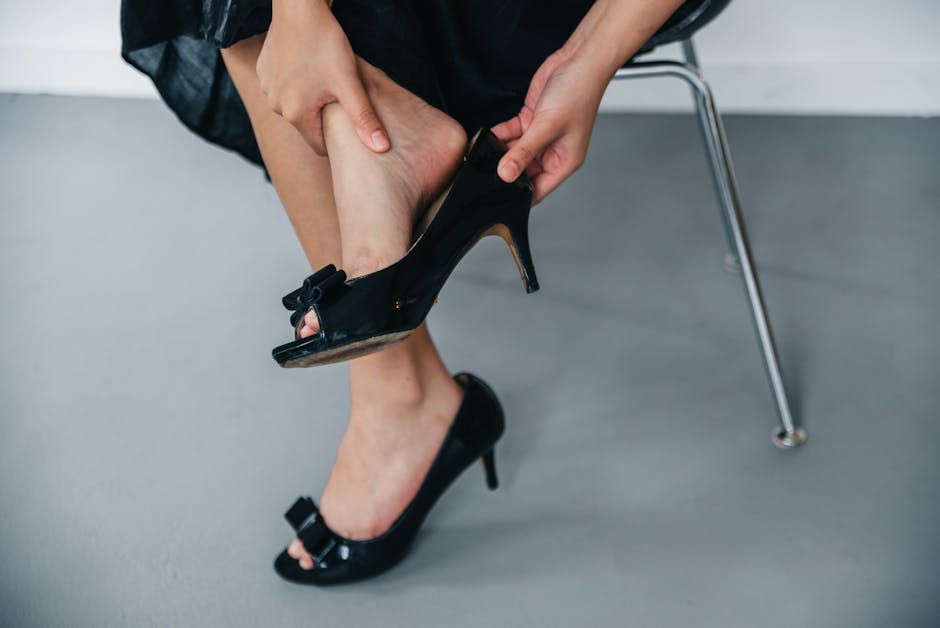
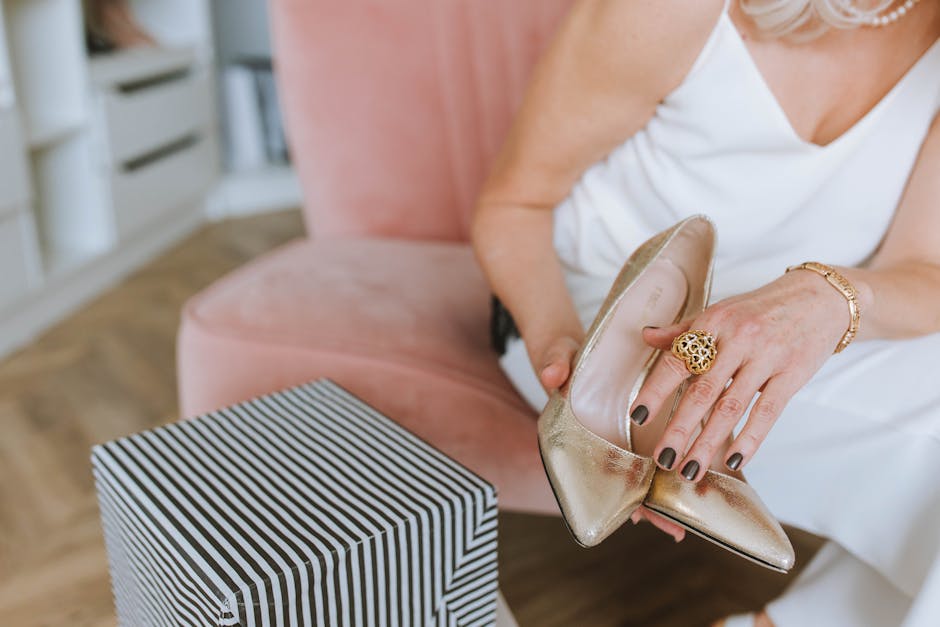
Investing in the best heels of all time requires a discerning eye for detail that goes beyond the brand name on the insole. The first factor to check is the heel placement. In a well-constructed shoe, the heel should be positioned directly under the center of the wearer’s heel bone. If the heel is set too far back, it creates a “lever” effect that pulls the foot backward, causing strain on the arch. If it is too far forward, the shoe will feel unstable, and the wearer will likely experience “wobble” when walking. You can test this by placing the shoe on a flat surface and gently tapping the side; a balanced shoe should settle quickly without excessive rocking.
The second factor is the flexibility of the sole. While the shank must be rigid, the area under the ball of the foot should have a slight degree of flex. If the sole is entirely rigid, the foot cannot transition naturally from heel to toe, resulting in a clunky, “stomping” gait. High-quality leather soles offer this natural flex, whereas thick plastic or rubber soles often do not. Furthermore, consider the interior lining. A seam running down the center of the heel or across the toes is a common source of blisters. Look for shoes with seamless or minimal-seam linings in high-friction areas.
Finally, consider the maintenance requirements. Suede is more forgiving than patent leather in terms of comfort, as it stretches more easily, but it requires frequent waterproofing treatments. Patent leather is highly durable and water-resistant but is prone to scuffing and cannot be stretched if the fit is too tight. For a first major investment, a matte calfskin leather is generally the most versatile and durable choice. It offers the best balance of breathability, stretch, and ease of cleaning, making it a staple in any long-term wardrobe.
Step-by-Step Evaluation for New Heels
- The Surface Test: Place the shoes on a hard, level floor. They should stand perfectly straight without leaning to either side.
- The Thumb Press: Press your thumb into the footbed. There should be a noticeable rebound in the cushioning, especially at the ball of the foot.
- The Alignment Check: Look at the shoe from the back. The heel should be perfectly vertical, not bowed inward or outward.
- The Walk Test: Try the shoes on a hard surface, not just carpet. Carpet masks stability issues and can make a poorly balanced shoe feel more comfortable than it actually is.
Ultimately, the best heels of all time are the ones that align with your specific foot morphology and lifestyle needs. Whether it is the architectural precision of a Louboutin or the reliable comfort of a Jimmy Choo, the value of a high heel is found in the intersection of its physical construction and the confidence it provides the wearer. By prioritizing technical specs like pitch, heel placement, and material quality, you can build a footwear collection that stands the test of time both aesthetically and structurally.