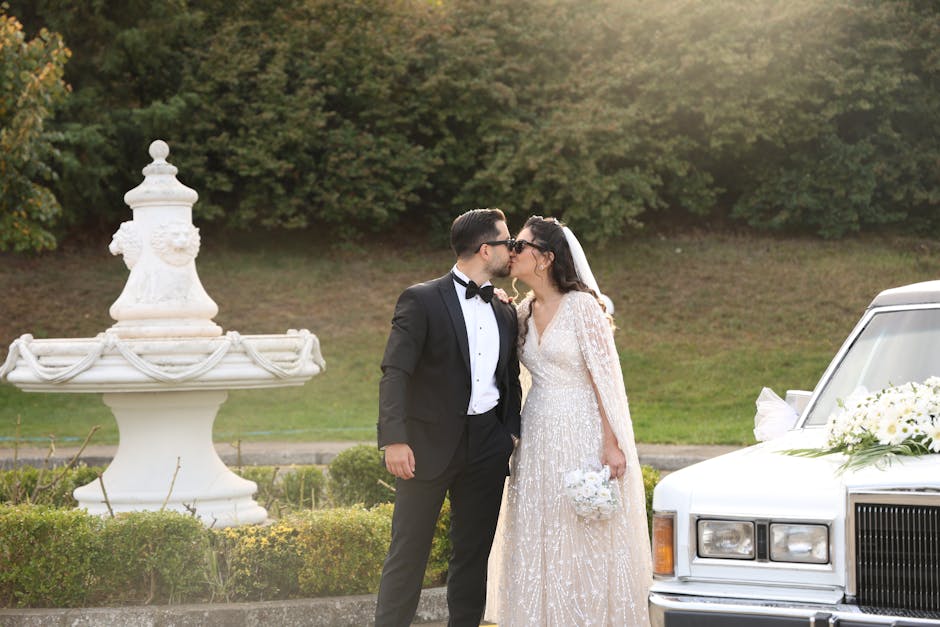
Here is the question I wish someone had asked me before my first wedding season: whose day is this? Not mine. Not yours. The entire dress selection exercise flows from that one reframe. You want to look polished, feel comfortable for eight hours straight, and contribute to the aesthetic of the day without pulling focus away from the couple. Every decision below comes back to that frame.
Why Dress Codes Exist and What They Are Actually Telling You
Wedding invitations include dress codes for one reason: the couple has a visual for how the day looks in photos, and they need everyone to cooperate. Black tie does not mean wear something fancy. It means the couple is shooting editorial-style photos and needs guests in floor-length gowns to make that work. Most guests treat dress codes as rough suggestions. That is why there is always one person in jeans at a smart casual wedding. Do not be that person.
| Dress Code | Hemline | Fabric | What to Avoid |
|---|---|---|---|
| Black Tie | Floor-length gown | Chiffon, silk, satin, velvet | Cocktail length, casual fabrics |
| Formal / Black Tie Optional | Midi to floor-length | Crepe, chiffon, structured jersey | Mini dresses, printed cotton |
| Cocktail Attire | Knee to midi | Structured crepe, lace, silk blend | Anything too casual or beachy |
| Smart Casual | Midi or knee | Floral chiffon, linen, cotton blend | Jeans, sportswear, overly formal gowns |
| Garden Party | Midi or tea-length | Floral prints, lightweight chiffon, linen | Stiletto heels, dark heavy fabrics |
| Casual / Beach | Knee or midi | Cotton, lightweight linen, jersey | Ballgowns, heavy fabrics, white |
One thing that table does not capture: black tie optional is a trap for guests who default to the optional part. When the invitation says black tie optional, lean toward the black tie end. The couple chose that language because they want a formal atmosphere and that word optional is there so the men do not have to hire morning suits.
When the Invitation Gives No Dress Code at All
No dress code on the invite usually means smart casual to cocktail. Look at the venue for clues. A vineyard on a Saturday evening? Cocktail attire minimum. A Sunday afternoon garden ceremony at a local venue? Smart casual. If you are genuinely unsure, text the maid of honor. They will not be annoyed. They will be grateful someone asked.
What Garden Party Actually Requires on Your Feet
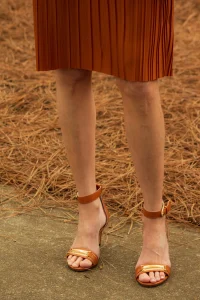
This one trips people every summer. Garden party does not mean flat sandals are acceptable — it means stiletto heels will sink into the grass and ruin your afternoon before the first course arrives. Block heels, wedges, or dressy flats are the practical answer. The Phase Eight Lace Up Block Heel Sandal (around £79) is exactly the kind of thing that works: it reads as dressed up, but the block heel keeps you stable on uneven ground all day. If in doubt, check if the venue has a marquee on grass. If it does, wedge heels only.
The 4 Wedding Settings and What Each One Actually Demands
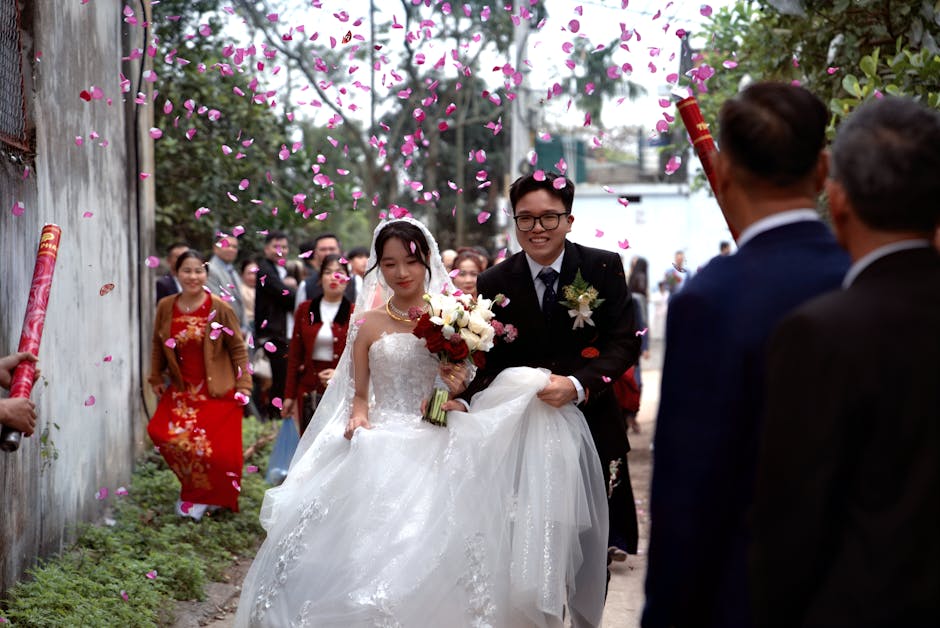
Dress code is the starting point. Venue setting is what narrows it down to something genuinely wearable from morning to midnight. These four settings cover roughly 90% of weddings you will ever attend.
Church Ceremony Into Evening Reception
This is the classic format and, logistically, the most demanding scenario for your wardrobe. You are sitting in a church for an hour — often cold, rarely comfortable — then expected to stand on a dancefloor at 10pm looking as put-together as you did at noon. The dress needs to survive both without requiring a costume change in the venue bathroom.
A structured midi handles this dual demand better than any other silhouette. The Reiss Catalina Wrap Dress (around £195) or the & Other Stories Asymmetric Midi Dress (around £115) both work here — the fabric is structured enough to hold its shape over a long day, the length reads as appropriately formal, and neither requires a strapless bra situation. Avoid anything strapless for church settings specifically: you may be asked to cover your shoulders, and scrambling for a pashmina mid-ceremony is not elegant.
Fabric is the deciding factor for this setting. Structured crepe or woven fabric will not wrinkle in the pew. Chiffon will be a crumpled mess before the vows are finished.
Outdoor Summer Wedding
Heat, direct sunlight, uneven grass, and photography. That is your design brief. Polyester becomes suffocating by 2pm. Anything too lightweight and unlined becomes see-through the moment you step into the sun. The sweet spot is a lined chiffon midi or a cotton-blend wrap dress that breathes without revealing.
True Violet makes some of the most reliable wrap midis for this specific use case. Their dresses run around £55 to £85, they stock on ASOS, they are lined, and the fabric weight is appropriate for outdoor summer wear without reading as casual. Chi Chi London also performs well here — their floral chiffon midis (around £60 to £75) photograph well in natural light and stay cool in warm weather.
Destination or Beach Wedding
The rules shift significantly. Floor-length is almost always wrong at a beach setting — it drags on sand and makes walking impossible. A knee-length or short midi in a breathable fabric is the correct answer. Linen-blend or cotton-blend dresses from Monsoon (around £80 to £120) and Boden work well for this. The key spec to check: choose a fabric that does not crumple completely during a four-hour flight, because you will almost certainly be going straight from the airport to the rehearsal dinner.
City Venue: Hotel Ballroom or Private Members Club
The easiest setting to dress for because the rules are clearest and the conditions are controlled. Temperature is managed. Flooring is level. You can actually wear heels without consequences. The Coast brand — available through John Lewis and House of Fraser — covers this territory better than almost anyone else at UK mid-market pricing. Their structured midi dresses in crepe and lace run from £89 to £175 and consistently look more expensive than they are.
The Fabric Question Nobody Asks Until It Is Too Late
I have watched otherwise perfect outfits completely fail at weddings. Not because of the style. Not because of the colour. Because of the fabric choice.
Polyester is everywhere in women’s fashion because it is inexpensive to produce and looks fine on a website product shot. On a real person at a summer wedding, it traps heat against the skin and shows sweat. By mid-afternoon, you are uncomfortable, and it shows in every photo taken after 3pm.
Natural and semi-natural fibres perform significantly better at weddings. Viscose, chiffon, silk, and linen all breathe. They drape better on the body. They catch light differently in photos — in a good way. Linen and viscose do wrinkle, but a well-cut structured viscose midi wrinkles less than most people expect, and the comfort gain across an eight-hour event is worth that trade-off entirely.
Crepe is the best compromise fabric specifically for weddings. It is mostly synthetic but it does not cling, does not show perspiration easily, and holds its shape without ironing. The majority of sensible wedding guest dresses you see from Reiss, Whistles, and Phase Eight are made in some variation of crepe, and that is not accidental — those brands have worked out exactly what their customer needs to get through a wedding day without wardrobe emergencies.
Always Check Whether a Dress Is Lined
An unlined chiffon dress in a marquee on a sunny afternoon is a transparency problem waiting to happen. ASOS product descriptions usually specify lining — filter for it, or check the fabric section explicitly. Many lower-priced midis on fast fashion sites cut costs by removing the lining. This is how guests end up essentially in their underwear in someone’s wedding album. Check the product description before buying, not after the dress arrives.
Six Dresses Worth Actually Buying and for Which Wedding Each One Works
These are specific recommendations based on setting, fabric, and realistic re-wearability. No vague style categories.
- Reiss Catalina Wrap Midi (£195): The go-to for formal church weddings and city venue receptions. Structured fabric, does not wrinkle across a long day, and the wrap silhouette works across body types. Buy this if you have two or three formal weddings in one season and want one dress that covers all of them.
- True Violet Chiffon Wrap Midi via ASOS (£65–£85): The pick for outdoor summer weddings. Lightweight, lined, available in a wide enough range of prints to look intentional. The price makes it low-risk for a dress you may only wear twice.
- Phase Eight Floral Jacquard Midi (£150): Works well for smart casual and garden party dress codes. The jacquard fabric sits slightly more structured than standard chiffon, so it photographs with dimension and does not go flat in photos. Available at John Lewis.
- Whistles Floral Wrap Dress (£185): The step-up option for outdoor summer weddings when you want something that reads as genuinely expensive. The fabric quality is noticeably better than the True Violet equivalent and it shows in person.
- Monsoon Linen-Blend Midi (£95–£120): The destination or beach wedding answer. Relaxed enough to not look strange at a casual ceremony, polished enough to photograph well at a reception dinner.
- Coast Lace Panelled Midi via John Lewis (£120–£149): The city evening option when you want something formal-reading without committing to floor-length. The lace overlay adds a ceremony-appropriate formality.
One rule I apply every time: buy a length that hits at or just below the knee, or goes full midi. Anything between those two points — mid-calf on most heights — sits in an awkward zone that photographs badly and has done so for about thirty years regardless of fashion trends.
On colour: if you are unsure whether a solid colour works for the couple’s palette, choose floral. A print can include almost any colour family and still read as considered. A solid dusty pink in the wrong shade looks deliberate in a way that can accidentally clash with the bridesmaids. A floral containing that same dusty pink reads as curated.
The Mistakes That Actually End Up in the Wedding Album
Some wardrobe mistakes are uncomfortable only for you. These mistakes are permanent — they appear in photos that families keep for fifty years.
Wearing White, Ivory, or Anything a Camera Might Read as Either
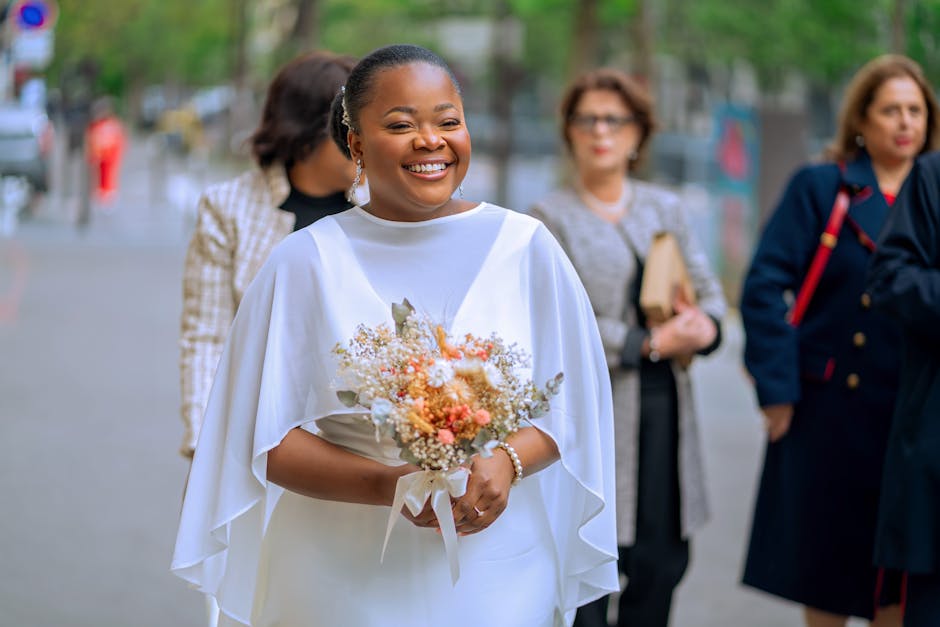
Everyone knows this rule. A surprising number of people still test its edges. Champagne is too close. Cream is too close. A white dress with a floral pattern printed on it is still a white dress. This is not a rule open to creative reinterpretation. Brides have cried over this at weddings I have attended. It is not worth whatever point you thought you were making.
Getting the Hemline Wrong for the Stated Code
Specifically: wearing a mini dress to anything above casual on the formality scale. A mini at a black tie wedding does not read as fashion-forward — it reads as someone who did not read the invitation. On the other extreme, a floor-length gown at a garden party casual wedding makes you look like you wanted to outshine the bridal party. Hemline should match the code plus or minus one level of formality. Not two.
Choosing Appearance Over Comfort for a Full-Day Event
Tight structured dresses look great standing still in a hallway. They do not survive eight hours of sitting through a ceremony, eating a three-course dinner, and dancing until midnight. A dress that is slightly less dramatic but genuinely comfortable will make you look better by 9pm — because you will still be standing upright and smiling instead of calculating how long until you can leave. Every person who has worn a bandage dress to an all-day wedding regrets it by the fish course.
Getting One Dress to Work Across Multiple Weddings
The smartest approach, especially if you have several weddings in the same season: buy one dress in a versatile silhouette and change what surrounds it. A solid-colour midi in a jewel tone — deep green, burgundy, cobalt navy — reads as cocktail or smart casual depending entirely on the shoes and accessories you pair with it.
Strappy heeled sandals and statement earrings: cocktail appropriate. Block-heel mules and a simple necklace: smart casual. A tailored blazer draped over the shoulders: works even for a conservative daytime ceremony. The Whistles Bias Cut Midi Dress (around £175) does this better than almost anything else I have found at that price point. The bias cut is flattering across most body shapes, the solid colour means it does not immediately read as the same dress from the July wedding when you wear it again in October, and the fabric weight layers well for cooler months.
For summer, the same principle works in floral. A print with multiple colours does not visually register as the identical outfit in different photos from different events the way a bold solid does. The Phase Eight Amalie Floral Print Midi manages this specifically because the print is complex enough that it does not reduce down to a single dominant colour in a photograph. You can wear it to three summer weddings and none of the guests will notice.
The One Thing That Separates a Good Guest Outfit from a Great One
Fit. Not the brand, not the price, not the trend.
A £65 True Violet dress from ASOS that is lined, appropriate for the venue, and actually fits your body will photograph better and hold up longer than a £300 dress that pulls across the shoulders and requires constant adjustment. The guests who look best in wedding photos are not the ones who spent the most. They are the ones who tried on the dress before the day, confirmed it worked across sitting and standing, and chose comfort alongside appearance rather than instead of it.
Buy in your size, not the size you are aiming for. Weddings are not the moment to test a hopeful fit.
Disclosure: This article may contain affiliate links, including links connected with AWIN. Fashion Guidebook is operated by Digital Sail Technology Limited and may earn commissions at no extra cost to readers.