Choosing a handbag from a top-tier brand is more than a purchase; it’s an investment in design, history, and unparalleled quality. The best brands offer pieces that transcend trends, becoming fixtures of personal style and sometimes, even valuable assets. Understanding what sets these houses apart means looking at their heritage, their approach to craftsmanship, and their unique design fingerprints.
The Enduring Allure of Heritage Handbag Houses
Certain brands have cultivated a legacy so strong, their names alone evoke images of timeless elegance and masterful construction. These heritage houses often began centuries ago, not always in fashion, but in specialized crafts like saddlery or travel goods. Their longevity stems from an unwavering commitment to quality and a consistent, recognizable aesthetic that appeals across generations.
Hermès, for instance, started as a harness workshop in Paris in 1837. This equestrian background deeply influences its design philosophy today, emphasizing durability, precise stitching, and a functional yet luxurious sensibility. Their bags are not mass-produced; each piece often involves a single artisan working for dozens of hours, embodying a rare dedication to skill.
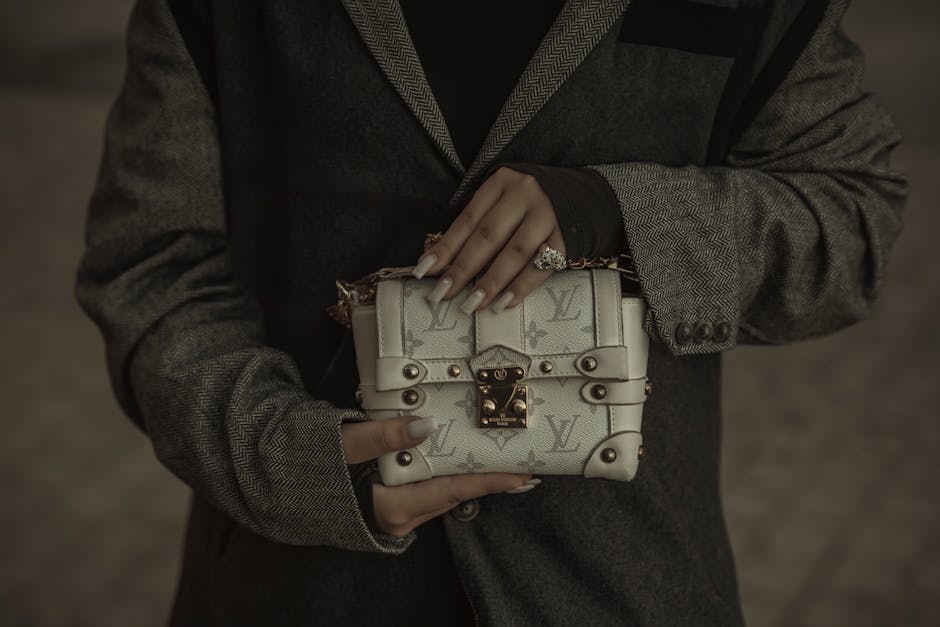
Similarly, Louis Vuitton, founded in 1854, built its empire on innovative travel trunks before expanding into handbags. The brand’s focus on sturdy, secure, and stylish luggage translated perfectly into everyday bags, with signature coated canvas and robust leather construction. These brands do not simply make bags; they extend their founding principles into every new collection, ensuring a thread of continuity that resonates with discerning buyers.
Material Sourcing Philosophies
A heritage brand’s commitment to quality starts with its materials. These houses frequently employ dedicated teams to source the finest leathers, exotic skins, and hardware. For example, Hermès is renowned for its specific grades of calfskin, often from young, unblemished hides, and its careful acquisition of alligator and crocodile skins from sustainable farms. This isn’t just about luxury; it’s about the material’s ability to age gracefully, develop a unique patina, and withstand the rigors of daily use for decades. They often maintain long-term relationships with tanneries, some of which are exclusive, ensuring consistent quality and ethical practices are upheld throughout the supply chain.
Artisan Training Programs
The transmission of specific craft knowledge is critical for heritage brands. Many operate their own internal schools or apprenticeships to train new generations of artisans. Chanel, for example, emphasizes hand-stitching techniques and specific ways of working with delicate materials like lambskin. An apprentice might spend years mastering specific stitches, hardware attachment methods, or lining techniques before they are allowed to work on a full bag independently. This meticulous approach ensures that the unique construction methods and design integrity of each brand are preserved, not just for a season, but for centuries. This investment in human skill is what truly sets these brands apart from others relying on more industrialized processes.
Understanding Craftsmanship: What Elevates a Handbag?
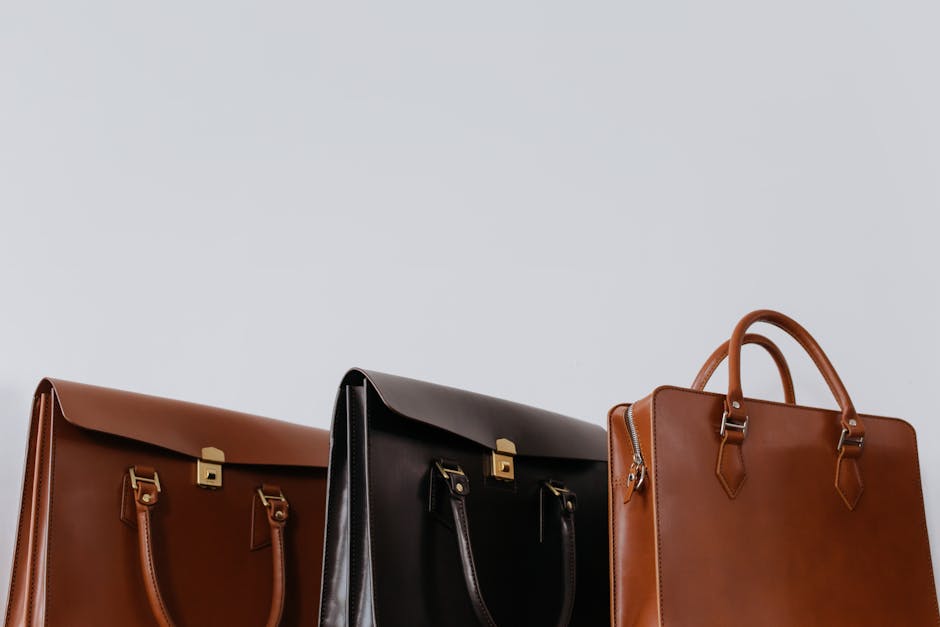
High-quality handbag craftsmanship isn’t about a logo; it’s about specific, tangible details that ensure durability, functionality, and aesthetic appeal. Knowing what to look for allows for an informed assessment of any bag’s true value, regardless of the brand. This knowledge empowers a buyer to distinguish between genuinely well-made items and those merely trading on perceived luxury.
- Precision in Stitching: Look for even, tight, and consistent stitches. Machine stitching should be perfectly aligned, while hand-stitching (often a saddle stitch) will show a slight angle and incredible durability. Loose threads, uneven lines, or skipped stitches indicate poor craftsmanship that will fail over time.
- Edge Finishing: Raw edges on leather bags should be either painted, folded, or turned. Painted edges (often called ‘edge coat’) need to be smooth, even, and multi-layered to prevent cracking. Folded or turned edges indicate a higher level of skill and are less prone to wear.
- Hardware Quality: Zippers, clasps, buckles, and feet should be substantial and operate smoothly. They should be made from solid brass, steel, or other high-quality metals, not flimsy, hollow, or plated materials prone to tarnishing or breaking. Check that zippers glide without snagging and clasps click securely.
- Lining Construction: The interior lining should be durable, well-fitted, and sewn without puckering. A quality lining, often in silk, suede, or durable fabric, protects the bag’s interior and indicates attention to detail. Cheap linings unravel quickly.
- Leather Quality and Grain: Premium leather should feel supple, consistent in texture, and free from obvious flaws. The grain should appear natural, not overly corrected or coated. Full-grain and top-grain leathers are superior in durability and how they age.
- Structural Integrity: A well-made bag holds its shape, even when empty. This indicates proper internal reinforcement, such as firming agents between the leather layers or a well-designed internal frame, preventing sagging or distortion.
Stitching Techniques
The saddle stitch, a hallmark of many high-end leather goods, involves two needles passing through the same hole from opposite directions, creating a highly durable, interlocking stitch. If one thread breaks, the others hold the seam together. This contrasts sharply with machine lock stitching, where a single break can unravel an entire section. Brands like Hermès exclusively use saddle stitching for many components, a labor-intensive process that significantly contributes to the bag’s longevity and repairability. This technique is a clear indicator of superior, hand-crafted quality.
Hardware Durability
High-quality hardware is typically cast or forged, not merely stamped. It’s often plated with precious metals like gold or palladium, or made from solid, corrosion-resistant alloys. For example, the iconic twist lock on a Chanel Classic Flap bag is meticulously crafted to ensure a smooth, secure closure that withstands thousands of openings and closings without becoming loose. The weight and feel of the hardware communicate its quality; it should feel substantial, not flimsy. Poor hardware can quickly compromise an otherwise well-made bag, making its functionality unreliable and its aesthetic cheapened.
Leather Selection
The choice of leather dictates much about a bag’s character and durability. Full-grain leather, the highest quality, retains the natural surface of the hide, including all its imperfections and natural variations. It is the most durable and develops a beautiful patina over time. Top-grain leather is slightly sanded to remove imperfections but still retains much of the hide’s strength. Brands often select leathers based on their intended use; for structured bags, a firmer calfskin might be chosen, while a softer lambskin could be used for a more relaxed, slouchy design. The way the leather is tanned and finished also impacts its resistance to water, scratches, and fading, all crucial for a long-lasting accessory.
Iconic Designs: Brands Defined by a Single Bag
Some brands achieve legendary status not just through their overall quality, but by creating a single, instantly recognizable bag that becomes synonymous with their identity. These bags aren’t just accessories; they are cultural touchstones, design achievements that transcend fashion cycles. Owning one means carrying a piece of design history. These bags often tell a story, born from a specific need or a moment in time, making them even more compelling.
It’s fair to say that few bags hold the cultural weight of the Hermès Birkin and Kelly. These are not merely handbags; they are symbols of exclusivity and artisanal perfection. The Birkin, reputedly designed on an airplane for Jane Birkin, provides practical, spacious elegance, while the Kelly, famously associated with Grace Kelly, offers a more structured, ladylike silhouette. Both demand meticulous craftsmanship, requiring a single artisan upwards of 18 hours to create. Their limited production, combined with high demand, contributes to their legendary status and, often, their ability to appreciate in value.
Chanel’s 2.55 and Classic Flap bags are another definitive pairing. The 2.55, introduced by Coco Chanel in February 1955, revolutionized women’s fashion by allowing hands-free wear with its chain strap. Karl Lagerfeld later reinterpreted it into the Classic Flap, adding the iconic CC lock. These bags combine quilted leather, a practical internal structure, and a distinctive chain strap, making them versatile and perennially stylish. Their design elements, from the bordeaux lining (inspired by the uniforms Chanel wore in the orphanage) to the hidden zipper pocket, are thoughtful and functional.
For Louis Vuitton, the Speedy bag is arguably its most recognized shape. Introduced in the 1930s, originally as the ‘Express,’ a smaller version of their travel bags, it gained widespread fame when Audrey Hepburn requested a custom smaller version. Its simple, soft rectangular shape, often in the brand’s Monogram canvas, makes it incredibly versatile and enduring. It’s a bag that balances everyday practicality with the unmistakable luxury of the brand.
Hermès Birkin and Kelly
The Birkin, with its generous capacity and distinctive flap and clochette, and the Kelly, with its more rigid structure and single handle, represent the pinnacle of handbag design. Their rarity is not a marketing gimmick; it’s a consequence of the intensive, individual handcrafting process. Each bag is a testament to the artisan’s skill, from the precise cutting of the leather to the flawless saddle stitching and the careful attachment of hardware. The demand for these bags consistently outstrips supply, solidifying their status as ultimate luxury items. Buyers often wait years for specific configurations, highlighting the unique draw of these masterpieces.
Chanel 2.55 and Classic Flap
These bags are characterized by their quilted leather, either diamond or chevron patterns, and their iconic chain straps which can be worn long or doubled. The original 2.55 features a ‘Mademoiselle’ lock (a rectangular turn-lock), while the Classic Flap sports the famous interlocking CC closure. Both bags include a variety of internal compartments, including a “secret” zippered pocket under the flap for love letters, reflecting Coco Chanel’s practical approach to design. The choice of lambskin or caviar leather significantly impacts the bag’s durability and feel, offering options for different lifestyles. These bags are not merely accessories but carriers of a specific, elegant aesthetic.
Louis Vuitton Speedy
The Speedy’s appeal lies in its simplicity and functionality. Its rounded, top-handle design, often featuring the Monogram or Damier canvas, makes it lightweight and spacious. Available in various sizes (from Nano to Bandoulière 40), it suits a wide range of needs, from a compact daily bag to a larger carry-all. The leather trim and handles, which darken over time to a rich honey patina (on Vachetta leather versions), add character and personalization. Its enduring popularity stems from its comfortable wear, classic silhouette, and the unmistakable Louis Vuitton branding, making it a gateway piece for many entering the luxury handbag market.
Emerging Innovators: The New Guard of Luxury Bag Design

While heritage brands maintain their stronghold, a new wave of designers and revitalized houses are challenging traditional aesthetics, bringing fresh perspectives and innovative craftsmanship to the luxury handbag market. These brands often blend avant-garde design with exceptional quality, appealing to a contemporary sensibility that values uniqueness and subtle luxury over overt branding.
They push boundaries through material experimentation, unconventional silhouettes, and a focus on unique textures and finishes. These innovators aren’t just replicating existing styles; they are actively shaping new trends and defining what modern luxury looks like. They represent an exciting shift, demonstrating that luxury can be both understated and incredibly impactful.
| Brand | Signature Aesthetic | Key Innovation/Approach |
|---|---|---|
| Bottega Veneta | Understated luxury, no visible logos, rich textures | Elevated Intrecciato weave, sculptural forms under Daniel Lee’s direction |
| Loewe | Artistic, playful yet sophisticated, focus on leather craftsmanship | The Puzzle Bag (origami-like construction), Goya Bag (soft, structured leather) |
| Celine | Minimalist, clean lines, effortless chic | Triomphe Canvas revival, classic box bags, precise leather work |
| Fendi | Bold, experimental, playful, often with vibrant colors and textures | Baguette Bag revival, Peekaboo designs, innovative fur and leather techniques |
Bottega Veneta, for example, saw a massive resurgence under Daniel Lee, who amplified its ‘no-logo’ philosophy and the iconic Intrecciato weave into modern, sculptural forms. Bags like the Pouch and the Cassette redefined quiet luxury, making texture and shape the focal point. Loewe, under Jonathan Anderson, has blended Spanish heritage with a whimsical, artistic sensibility, creating highly coveted pieces like the Puzzle bag, known for its complex, origami-like construction. These brands prove that innovation in design and construction can carve out a significant niche, even in a saturated market.
The Investment Piece: Value Retention in Designer Handbags
Not all handbags are created equal when it comes to retaining or even appreciating in value. Treating a luxury handbag as an investment means understanding which factors contribute to its longevity and desirability in the resale market. This isn’t just about the initial purchase price, but about the long-term economic viability of the item. It involves a strategic mindset, much like any other asset class.
Certain brands and specific models consistently outperform others, becoming objects of desire that appreciate rather than depreciate. This makes some handbags not just fashion statements, but tangible assets that can be bought, sold, and traded. Navigating this landscape requires careful consideration of brand power, scarcity, and market trends.
Which brands hold their value best?
Hermès consistently ranks at the top for value retention, with models like the Birkin and Kelly often reselling for significantly more than their original retail price, especially for rare leathers or colors. Chanel also performs exceptionally well, particularly the Classic Flap and 2.55, which see annual price increases from the brand itself, driving up resale values. Louis Vuitton’s iconic Monogram canvas pieces, like the Speedy or Neverfull, hold strong secondary market appeal due to their widespread recognition and durability. These brands benefit from controlled production, high demand, and a perception of timelessness. Other brands like Dior (Lady Dior) and certain models from Gucci or Prada can also retain value, though typically not to the same degree as Hermès or Chanel.
What factors influence resale price?
Several critical factors determine a bag’s resale value. Condition is ; a bag in excellent or pristine condition will always command a higher price. Rarity, whether due to limited editions, discontinued styles, or specific materials (like exotic skins), significantly boosts value. Popularity and demand for a particular model or color also play a huge role; trend-driven bags might have a shorter peak resale window. The original retail price and annual price increases by the brand also set a benchmark. Finally, having the original box, dust bag, authenticity cards, and receipts (often called ‘full set’) enhances a bag’s appeal and perceived value on the secondary market. A bag’s ability to remain fashionable and relevant across seasons also contributes to its sustained value.
How to care for an investment handbag?
Proper care is essential to maintaining a handbag’s value. Always store bags in their original dust bags, away from direct sunlight and humidity. Stuff them with acid-free tissue paper or shapers to maintain their silhouette. Avoid overfilling, which can distort the leather and stress seams. Clean leather regularly with appropriate, gentle leather cleaners and conditioners, following the brand’s specific recommendations. Promptly address any spills or stains. Keep hardware polished and protected from scratches. For significant damage or wear, seek professional repair from specialists experienced with luxury goods. This proactive approach to maintenance preserves the bag’s aesthetic and structural integrity, crucial for future resale.
Ethical Sourcing and Sustainability in Handbag Production
The luxury handbag industry increasingly faces scrutiny regarding its environmental and social impact. Consumers are more aware of the origins of their purchases, demanding transparency and responsible practices. This shift is pushing brands, both established and emerging, to re-evaluate their supply chains and production methods. Ethical sourcing and sustainability are no longer niche concerns but fundamental expectations.
This commitment extends beyond materials to labor practices, waste reduction, and energy consumption. A brand’s reputation for ethical conduct can significantly influence consumer trust and loyalty. It’s about ensuring that beauty does not come at an unacceptable cost to people or the planet. The industry’s future success depends on its ability to adapt and lead in these crucial areas.
Tracing Supply Chains
Genuine ethical sourcing begins with full transparency throughout the supply chain. This means knowing the origin of every material, from the leather hide to the metal hardware. Brands are investing in technologies like blockchain to track materials from farm to finished product, verifying responsible animal husbandry, fair labor practices at tanneries, and safe working conditions in factories. This meticulous tracing allows brands to prevent the use of conflict materials and ensures that environmental regulations are met at every stage. It’s a complex undertaking, but essential for building genuine credibility.
Innovations in Sustainable Materials
The search for alternatives to traditional leather and exotic skins is driving significant innovation. Brands are exploring materials such as mushroom leather (Mylo), pineapple leaf fibers (Piñatex), apple waste leather, and recycled plastics. While these materials are still evolving, their potential to reduce environmental impact is immense. Some brands are also focusing on upcycling existing materials or using certified organic and recycled fabrics for linings and dust bags. The goal is to reduce reliance on virgin resources and minimize waste, without compromising on luxury feel or durability. These developments indicate a forward-thinking approach to design and manufacturing.
Certifications and Standards
To provide assurance to consumers, several certifications and standards are gaining traction. The Leather Working Group (LWG) audits tanneries for environmental compliance and traceability. Responsible Down Standard (RDS) ensures ethical sourcing of feathers. Fair Trade certifications address labor practices. For exotic skins, CITES (Convention on International Trade in Endangered Species of Wild Fauna and Flora) permits are crucial. Brands displaying these certifications demonstrate a verifiable commitment to responsible practices. These external validations help consumers make informed choices, fostering trust and accountability within the industry.
Choosing Your Ideal Handbag: A Practical Framework
The “best” handbag ultimately aligns with your personal style, lifestyle needs, and values. It’s about finding a piece that feels right, serves its purpose, and stands the test of time, rather than chasing a fleeting trend. Consider how the bag fits into your daily routine, its capacity, and the specific occasions you intend to use it for. Evaluate a brand’s heritage, craftsmanship, and ethical stance against your own priorities. The ideal choice balances impeccable quality with a design that resonates deeply with you.
Disclosure: This article may contain affiliate links, including links connected with AWIN. Fashion Guidebook is operated by Digital Sail Technology Limited and may earn commissions at no extra cost to readers.