
Let’s clear this up right now: spending a fortune on jeans doesn’t automatically mean you’re getting quality. Most people think a high price tag guarantees superior denim. Wrong. You’re often paying for marketing, an inflated label, or simply a trend that won’t last. The real value? It’s in the fabric, the construction, and how it actually fits your body. That’s where your money should go. Not into some designer’s ego.
Stop Wasting Money: The Truth About "Premium" Denim
Look, the word "premium" gets thrown around a lot. It rarely means what you think. It’s not about a fancy badge. It’s about what the jeans are actually made of and how they’re put together. Many brands charge a premium for denim that’s thin, poorly dyed, and will bag out after a few wears. They’re selling you a fantasy, not durability.
Fabric Matters More Than Label
Good denim starts with good cotton. Period. You want a decent weight – think 12-14oz for everyday wear. Lighter denim (under 10oz) might feel soft initially, but it won’t hold its shape or last. Heavy denim (15oz+) is for raw denim enthusiasts and takes time to break in. Don’t be fooled by "soft touch" finishes on cheap, thin denim. That softness usually means less cotton density and more synthetic stretch that will sag by lunchtime. Always check the composition tag. Aim for 98-100% cotton for true denim character, or 1-2% elastane for comfort and flexibility without losing shape.
Stitching: The Unsung Hero
Flip your jeans inside out. What do you see? Clean, even stitching? Or loose threads and inconsistent seams? Good quality jeans use strong, tightly woven thread, often a poly-cotton blend, with consistent stitch length. Double-stitched seams, especially on the inseam and outseam, are a huge plus for longevity. Chain stitching is a mark of quality, particularly on the hem. It allows for a slight stretch, making the hem stronger and less prone to fraying. If the stitching looks like an afterthought, the jeans are an afterthought.
How to Spot Quality Jeans (No BS)

Forget the brand for a second. Look at the jeans themselves. There are concrete indicators of quality that don’t lie. Once you know what to check, you won’t fall for overpriced duds again. It’s about the details, the stuff manufacturers cut corners on when they want to maximize profit and minimize quality.
The Selvedge Edge: Is It Worth It?
Selvedge denim means "self-edge." It’s made on old-school shuttle looms, producing a tightly woven, narrow fabric roll with a clean, finished edge that won’t fray. You usually see a distinct coloured line (often red) when you cuff the jeans. Is it strictly necessary? No. Does it indicate a higher quality, more durable weave? Absolutely. It’s a hallmark of dedicated denim craftsmanship. Selvedge generally fades better and develops more character over time. It’s an investment, but if you want jeans that tell a story, it’s worth considering. Brands like Neuw Denim and Nudie Jeans often offer selvedge options.
Hardware: A Hidden Durability Test
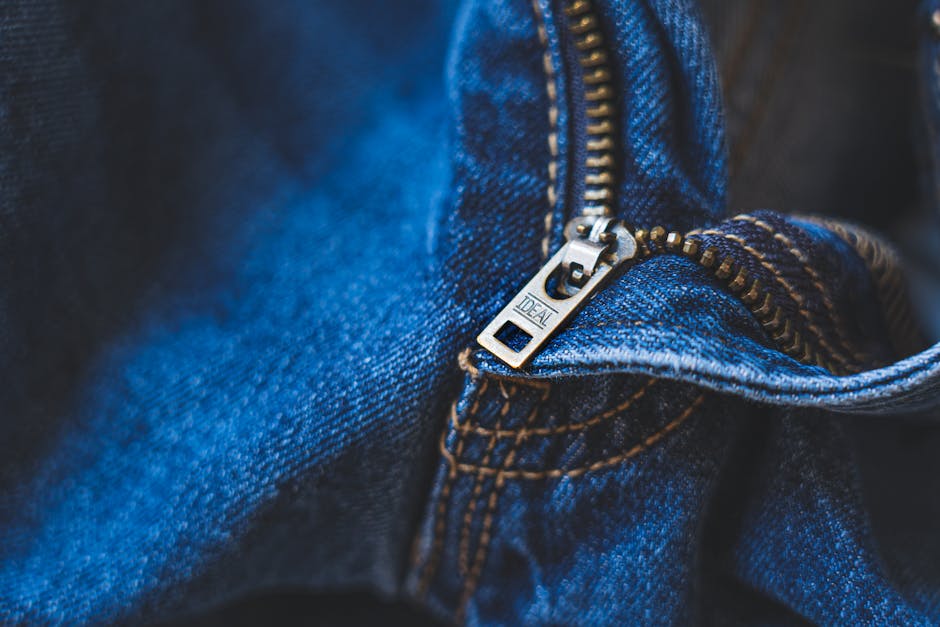
This is where many brands cheap out. Good jeans have sturdy, well-secured hardware. Look at the rivets – those small metal buttons that reinforce stress points. They should be firm, not flimsy, and flat against the fabric. Zippers? Only YKK will do. Anything less is a gamble. A cheap zipper is the first thing to break, rendering perfectly good jeans unwearable. The main button closure should be robust, often branded, and securely riveted, not just sewn on. These aren’t just aesthetic choices; they’re functional ones that determine how long your jeans actually last.
Pocket Construction: It’s Not Just for Looks
Check the pockets. Are the front pocket bags made of thin, flimsy cotton that will tear after a few washes? Or are they a substantial, durable fabric, often a twill or canvas? Better brands use a heavier pocket lining for durability. Reinforcement stitching at the pocket openings is also key. Back pockets should be well-proportioned and securely attached, often with hidden rivets or bar-tacks for extra strength, especially if you carry a wallet. This might seem minor, but weak pockets are a common failure point. Don’t overlook it.
Australian Jeans Brands That Don’t Mess Around
Australia has some serious denim talent. Forget the fast-fashion giants. These brands understand denim. They deliver on fit, fabric, and construction. Here are the ones to actually consider.
- Nobody Denim: Based in Melbourne, Nobody Denim is an absolute standout. They’ve been doing this for a long time, and it shows. Their washes are consistent, the denim quality is high, and their fits – like the "Cult Skinny" or "Piper Straight" – are reliable. They focus on ethical production and local manufacturing, which means better quality control. You’re getting solid, well-made jeans that will hold up. Expect to pay around $180-$250, but they’re worth it.
- Ksubi: If you’re after a distinct, often distressed aesthetic, Ksubi is your brand. Also from Australia, they’ve carved out a global niche with their edgy, rock-and-roll vibe. Their denim is robust, and the distressing is usually done well, not cheap. Fits like the "Chitch" or "Van Winkle" are iconic. This isn’t for everyone, but if it’s your style, Ksubi delivers. Price point is typically $200-$300.
- Bassike: For a more minimalist, sophisticated take on denim, Bassike is excellent. They focus on organic cotton, clean lines, and relaxed fits. Their denim is often softer, but still durable, with a focus on sustainable practices. Think refined, comfortable everyday wear. The "Slouch Jean" or "Standard Jean" are prime examples. Expect a higher price tag, usually $300+.
- Abrand Jeans: A more accessible option, Abrand Jeans has quickly become a favourite for its on-trend fits and good value. They strike a balance between quality and affordability, often using comfortable stretch denim. They’re great for trying out new styles without breaking the bank. Think the "A High Skinny" or "A 94 Slim". Prices are generally $100-$150.
- Neuw Denim: Another Melbourne brand with a strong focus on vintage inspiration and modern fits. Neuw Denim pays attention to detail – like the signature ‘repair stitch’ on the back pocket. Their denim often has a raw, authentic feel that wears in beautifully. They offer excellent selvedge options. Try the "Ray Tapered" or "Marilyn Skinny". Prices are around $180-$280.
The Best Global Contenders You Can Actually Buy Here
It’s not all local. Some international brands have earned their stripes and are readily available in Australia. These are the ones that consistently deliver, regardless of where they’re made. Don’t ignore them.
| Brand | Known For | Key Styles/Fits | Typical Price Range (AUD) | Why It Matters |
|---|---|---|---|---|
| Levi’s | Heritage, iconic fits | 501 Original, 511 Slim, Wedgie Straight | $100 – $180 | Still the benchmark for classic, durable denim. Consistently good. The 501 is timeless for a reason. |
| Nudie Jeans | Sustainability, raw denim, free repairs | Thin Finn, Grim Tim, Lean Dean | $180 – $300 | Ethical production, organic cotton, and a commitment to longevity. Their free repair service is unmatched. |
| Acne Studios | High-fashion, contemporary cuts | Blå Konst River, Blå Konst North | $350 – $600+ | If you want premium, fashion-forward denim with excellent fabric and Scandinavian minimalism. A luxury buy. |
Levi’s remains a powerhouse for a reason. You can’t argue with a classic 501. They’ve perfected basic, hard-wearing denim. Nudie Jeans is the go-to for anyone serious about ethical production and raw denim that ages beautifully – plus, free repairs for life means they stand behind their product. That’s a huge value proposition. Acne Studios is for the fashion-conscious who prioritize specific cuts and premium, often unique, denim fabrics. It’s an investment, but the quality is there.
Common Mistakes Buyers Make (And How to Avoid Them)
It’s not just about picking the right brand; it’s about making smart choices when you actually buy them. People mess up all the time. Don’t be one of them. These mistakes cost you comfort, money, and good jeans.
Sizing Is Not Consistent
Forget the number on the tag. Seriously. A "30" in one brand is a "28" in another, and sometimes even within the same brand. Always try them on. Always. Don’t rely on online size charts alone. They’re a guide, not gospel. Pay attention to how the waist feels, if there’s any gapping at the back, and how much room you have in the thighs. If you can’t try them on, measure your best-fitting jeans and compare those measurements to the brand’s specific garment measurements, not just generic waist size.
Stretch Denim: Friend or Foe?
Stretch denim (with elastane or spandex) offers comfort, no doubt. But too much stretch can mean your jeans lose their shape quickly and become baggy. A 1-2% stretch is fine for comfort and flexibility – it helps with movement and recovery. Anything above 3-4% and you’re verging into jegging territory. These jeans will stretch out significantly with wear and might not ever recover their original fit. Know your preference, but don’t sacrifice durability for immediate comfort that won’t last.
Wash Care: Extend Their Life
You bought good jeans. Now don’t ruin them. Washing too often, or washing them incorrectly, is the fastest way to kill denim. For raw or dark denim, wear them as long as possible before the first wash (3-6 months is common). When you do wash, turn them inside out, use cold water, and a mild detergent. Air dry them. Tumble drying is the enemy of denim – it causes shrinkage, fades colour, and breaks down fibers faster. Treat your jeans like they’re worth something, because they are.
What’s the Deal with Sustainability in Denim?

Everyone’s talking about sustainability. But what does it actually mean for your jeans? It’s more than just a buzzword. Denim production is notoriously resource-intensive, so understanding how brands are trying to do better is important.
What is "Sustainable Denim"?
It means denim made with reduced environmental impact. This can involve using organic cotton (grown without harmful pesticides), recycled cotton, or innovative fibers like Tencel or hemp. It also covers water conservation – denim production uses a huge amount of water, so brands are investing in technologies that drastically cut water usage. Chemical dyes are another big issue; sustainable brands opt for safer, non-toxic alternatives. Basically, it’s about minimizing the footprint from farm to factory.
Does It Actually Make a Difference?
Yes. A big one. The denim industry has a reputation for being one of the dirtiest. Brands that commit to sustainable practices are actively working to reduce water pollution, decrease carbon emissions, and improve working conditions. When you buy from these brands, you’re supporting a shift towards a more responsible industry. It’s not perfect, but it’s progress. And it’s better than ignoring the problem.
Brands Doing It Right?
Nudie Jeans is a leader here, with their 100% organic cotton and commitment to transparency and free repairs. Bassike also uses organic cotton extensively and focuses on local production. Even larger players like Levi’s are making strides with their "Water<Less" techniques and using more sustainable materials. Look for certifications like GOTS (Global Organic Textile Standard) or B Corp status, which indicate a genuine commitment.
The Absolute Must-Have Jean for 2026
Forget fleeting trends. For consistent quality, reliable fit, and actual value in Australia, your money is best spent on a pair of Nobody Denim "Piper Straight" jeans. They get the balance right every time.
Disclosure: This article may contain affiliate links, including links connected with AWIN. Fashion Guidebook is operated by Digital Sail Technology Limited and may earn commissions at no extra cost to readers.