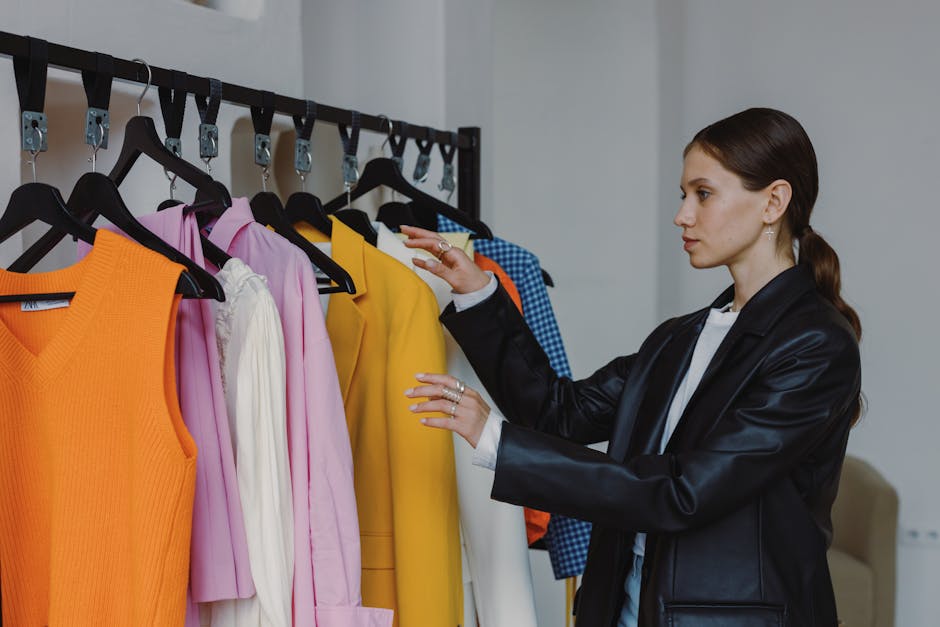
Here is a number that should stop you mid-scroll: 73% of office workers in a 2026 LinkedIn survey said their company had relaxed dress codes in the prior 12 months. That is not a slow drift. That is a collapse of the old rules. The suit-and-tie era is dead for most industries. What replaced it is not “anything goes” either. It is something trickier: a wardrobe that needs to signal competence, creativity, and comfort all at once.
Office fashion in 2026 is not about one look. It is about three things that work together: sharp tailoring that fits your body, technical fabrics that let you move, and personal details that show you have taste without trying too hard. Here is what that actually looks like in practice.
The Tailored Overshirt Replaces the Blazer
Walk into any decent office in 2026 and you will see fewer blazers. You will see the tailored overshirt. It is a shirt cut like a jacket — structured shoulders, a proper collar, longer hem — but made from heavier cotton or wool. It sits between a shirt and a jacket. And it works better than either for most workplaces.
Why? Three reasons. First, it looks intentional without looking overdressed. Second, it layers naturally over a T-shirt or a thin sweater. Third, you can take it off and tie it around your waist without looking like you just finished a cycling race. Brands like COS, Arket, and Massimo Dutti have been pushing this cut hard. The COS Structured Overshirt ($135) in navy or charcoal is a solid entry point. The fit is slightly boxy but clean. It does not need dry cleaning either — most are machine washable.
How to wear it
Button it all the way up with no tie underneath. Leave the collar open one button. Pair with tailored trousers in a contrasting color — light grey with dark navy works. Keep the shoes simple: Derby shoes or clean leather sneakers. Avoid shiny loafers. The whole point is texture, not polish.
The mistake most people make
Buying one that is too short. The overshirt needs to cover your belt line completely. If it ends at your waist, it looks like a regular shirt that shrank. Look for a hem that hits mid-hip. That extra length is what separates the look from “I forgot my jacket.”
Wide-Leg Trousers Are Not Going Anywhere

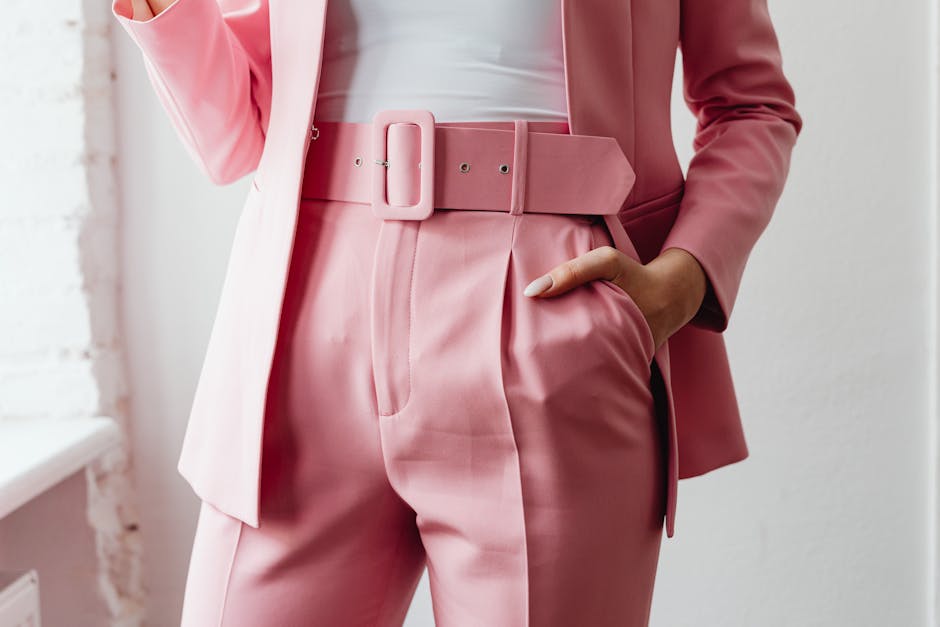
Slim-fit trousers are dead for offices that allow any flexibility. The wide-leg trouser is the standard now. And this is not the 1990s parachute-pant situation. These are cut clean, pressed sharp, and made from fabrics that hold a crease. The difference is the drape. A good pair of wide-leg trousers falls straight from the hip to the ankle. No taper. No bunching at the shoe.
Uniqlo’s Wide Leg Pleated Trousers ($50) are the budget benchmark. They come in wool-like polyester that resists wrinkles and washes well. The fit is generous but not baggy. For a step up, the Theory Winston Wide Leg Trouser ($295) in a wool-cashmere blend is the gold standard. It drapes perfectly and holds its shape after a full day sitting.
What to wear on top
Fitted tops. Always. Wide trousers demand a slim upper body. Tuck in a knit polo, a fitted turtleneck, or a simple Oxford shirt. Untucked boxy tops with wide trousers create a rectangle shape that looks sloppy. The contrast between loose and fitted is what makes this work.
Shoe pairing that matters
Wide trousers need a shoe with some visual weight. Loafers with a thick sole, chunky derbies, or platform sneakers. Thin dress shoes look lost under the wide hem. The hem should hit just above the top of the shoe — not dragging on the ground, not hovering two inches above. That sweet spot is about 1.5 cm of clearance.
The Rise of Technical Wool
This is the fabric story of 2026. Technical wool is merino or wool blends treated for stretch, water resistance, and machine washability. It looks like a traditional suiting fabric. It behaves like performance gear. You can wear it on a commute in rain, sit through eight hours of meetings, and still look presentable at dinner.
The big players here are Lululemon with its Commission Pant ($128) and Wool&Co with the Brooklyn Pant ($98). Both use a wool-nylon-spandex blend that stretches four ways. Both resist wrinkles to a degree that feels like cheating. The Lululemon version has a hidden drawstring waistband — you can wear it without a belt and it stays put. That matters for comfort on long days.
Technical wool is not cheap, but it replaces three separate garments. One pair of these trousers does the job of dress pants, travel pants, and casual chinos. The cost-per-wear math works out fast if you commute or travel for work.
When NOT to buy technical wool
If your office requires a jacket and tie every day, skip this. Technical wool looks slightly casual up close. It works best in smart-casual or business-casual environments. If you are in a traditional law firm or bank, stick with pure wool or wool-cashmere blends. The stretch fabric will read as too casual for those settings.
The Knit Polo Is the New Dress Shirt
Oxford shirts are still fine. But the knit polo is the upgrade everyone should consider. It is a polo shirt made from pique knit — thicker, softer, and more structured than a standard cotton polo. It sits on the body like a sweater but has a collar. You can wear it tucked or untucked. It works under a blazer, under an overshirt, or on its own.
Sunspel’s Riviera Polo ($175) is the original and still the best. The fit is slim without being tight. The fabric is a two-ply pique cotton that breathes and holds its shape. For a lower price, the Uniqlo Supima Cotton Knit Polo ($40) does 80% of the same job. The difference is in the collar — Sunspel’s stands up properly after washing. Uniqlo’s goes floppy after a few cycles.
Color strategy
Dark navy, charcoal, olive, and off-white. That is the palette. Avoid black — it looks too severe for a knit fabric. Avoid bright colors — you are not playing golf. The knit polo works because it looks understated. Let the texture do the work.
Footwear: The Loafers and Clean Sneakers Rule
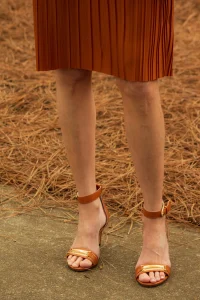
Dress shoes are not dead. But the range of acceptable footwear has widened significantly. Two categories dominate office floors in 2026: the chunky loafer and the minimal leather sneaker. Both are comfortable enough to wear all day. Both look intentional.
For loafers, the G.H. Bass Weejuns ($110) in the classic penny loafer style remain the standard. They are unlined, lightweight, and break in fast. The chunkier version from Dr. Martens — the 1461 Adrian Tassel Loafer ($130) — adds a rubber sole that works on wet streets and carpeted offices alike. The rubber sole also adds visual weight that pairs well with wide trousers.
For sneakers, the rule is simple: all leather, all white or all black, no logos. The Veja Esplar ($150) in white leather is the office uniform sneaker. The Common Projects Achilles ($450) is the luxury benchmark. The Adidas Samba OG ($100) in white with gum sole is the wildcard — it works because the silhouette is low and clean. Avoid running shoes, mesh, or anything with a visible logo. That is gym wear, not office wear.
| Shoe Type | Best For | Price Range | Key Brands |
|---|---|---|---|
| Chunky loafer | Wide trousers, smart-casual offices | $100–$200 | G.H. Bass, Dr. Martens, Loake |
| Minimal leather sneaker | Casual offices, creative industries | $100–$450 | Veja, Common Projects, Axel Arigato |
| Derby shoe | Formal offices, client meetings | $150–$400 | Tricker’s, Church’s, Meermin |
Accessories That Signal You Paid Attention
Accessories in 2026 are about utility, not decoration. A good watch, a leather belt that matches your shoes, and a bag that fits your laptop without looking like luggage. That is the entire list. Skip the tie. Skip the pocket square. Skip the lapel pin. Those are costume now.
The watch: a simple three-hand automatic or quartz on a leather or metal bracelet. The Seiko 5 Sports ($275) is the best value in mechanical watches. The Casio A168W ($25) is a retro digital that works surprisingly well in creative offices. Avoid smartwatches with bright screens — they break the visual calm of a considered outfit.
The bag: a leather backpack or a canvas tote. Filson’s Dryden Backpack ($295) in tan or navy is the office standard. It holds a 16-inch laptop, has enough organization for cables, and looks better with age. For a more formal option, the Tumi Alpha Bravo ($395) in ballistic nylon is durable and professional.
The belt: match the leather finish to your shoes. If you wear black loafers, wear a black belt. If you wear brown derbies, wear a brown belt. This is the oldest rule in style and everyone still ignores it. A mismatched belt is the fastest way to look like you dressed in the dark.
One more thing: your bag should not be your gym bag. If you go to the gym before work, carry a separate small bag for your gym clothes. A duffel bag stuffed with sneakers and a towel does not belong in a meeting room. Keep your office look clean from the outside in.
Disclosure: This article may contain affiliate links, including links connected with AWIN. Fashion Guidebook is operated by Digital Sail Technology Limited and may earn commissions at no extra cost to readers.