
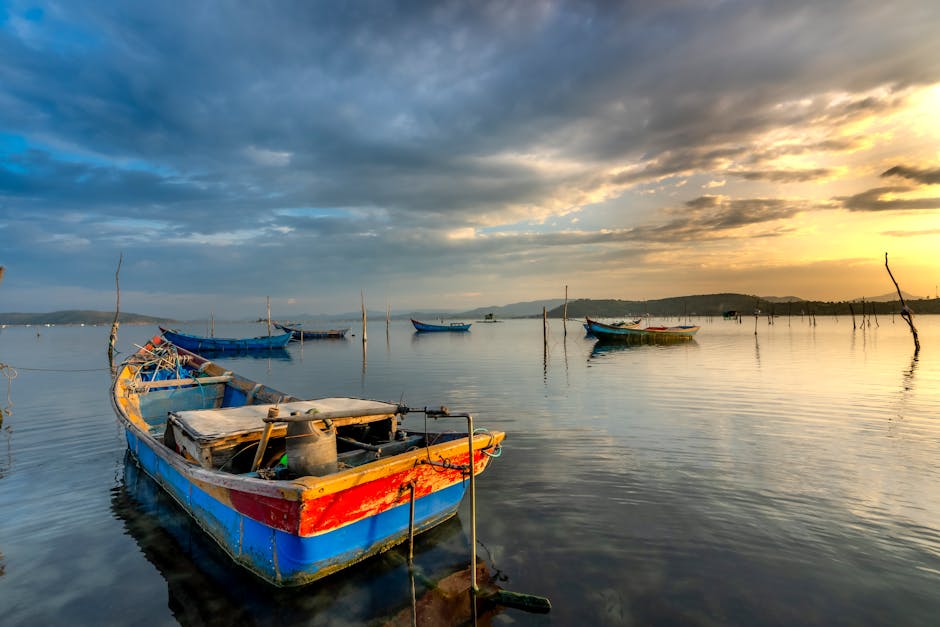
What technical specifications actually differentiate the top-tier flats boat brands from entry-level shallow water vessels? In the specialized world of technical poling skiffs, the margin between success and failure is often measured in half-inches of draft and the silent displacement of water. A flats boat is not merely a transport vessel; it is a precision tool designed to navigate environments where most motorized craft cannot go. For those pursuing bonefish, permit, or redfish in the skinniest of waters, the choice of brand dictates the limits of their reach. This analysis examines the engineering, material science, and on-water performance of the industry leaders to determine which brands currently set the standard for shallow water excellence.
What technical features define the industry-leading flats boat brands?
The construction of a high-performance flats boat requires a balance between weight, structural integrity, and acoustic dampening. Leading brands like Hell’s Bay Marine and Maverick Boat Group have moved away from traditional hand-laid fiberglass in favor of vacuum-infused resins and advanced materials like Carbon Fiber, Kevlar, and Innegra. These materials allow for a lighter hull that draws less water while maintaining the rigidity necessary to handle a chop when crossing open bays. A lighter boat is also significantly easier to propel with a push pole, a factor that becomes critical during an eight-hour day on the flats.
Hull Design and Hydrodynamics
Hull geometry is the primary factor in how a boat handles “slap”—the sound of waves hitting the hull. In the world of flats fishing, sound is the enemy. Brands that prioritize stealth use integrated spray rails and radiused transoms to ensure that water moves around the hull silently. The deadrise, or the angle of the hull’s V-shape, is typically kept shallow (between 0 and 12 degrees) to minimize draft. However, a completely flat bottom can lead to a punishing ride in rough water. The best brands find a middle ground, using variable degree deadrise to provide a softer entry in the bow while transitioning to a flat stern for shallow-water stability.
Material Science and Weight Distribution
Modern technical skiffs often utilize a “core” construction, where a high-density foam core is sandwiched between layers of carbon fiber or fiberglass. This creates a hull that is incredibly stiff but light enough to float in five inches of water. Furthermore, the placement of fuel tanks, batteries, and livewells is calculated to ensure the boat sits level. If a boat is stern-heavy, the draft increases, and the bow may “hunt” or wander while being poled. Brands like East Cape Skiffs allow for significant customization in layout to ensure that the weight distribution matches the owner’s specific engine and gear configuration.
A technical poling skiff is defined by its ability to remain silent under pressure. If the hull resonates when a wave hits it, or if the deck creaks when a fisherman moves, the brand has failed its primary mission.
How do the top technical poling skiff models compare in performance?
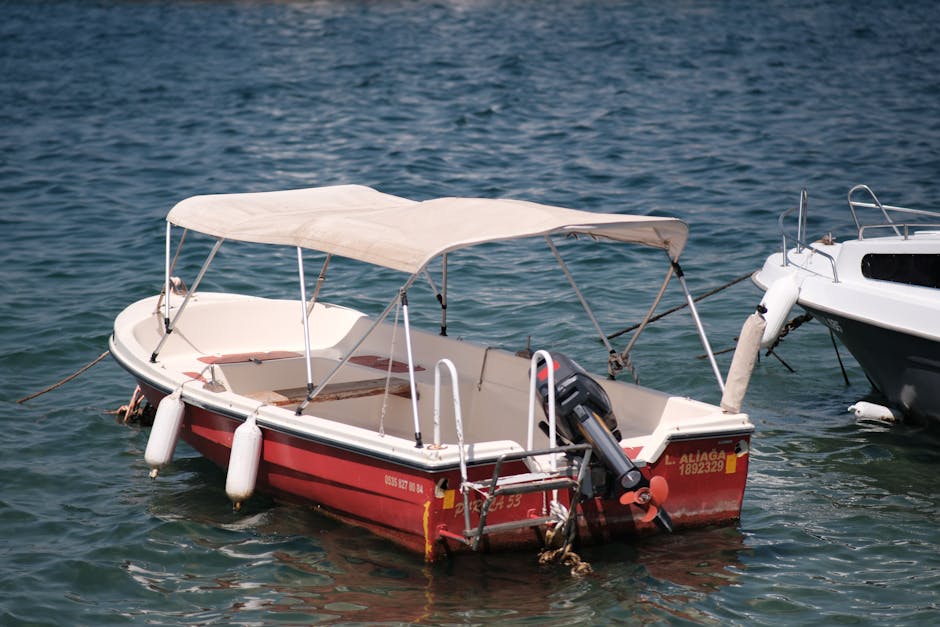
When comparing the best flats boat brands, it is necessary to look at specific models that represent the pinnacle of their respective lineups. The following table provides a data-driven comparison of the most sought-after technical skiffs currently on the market. Prices are approximate and can vary significantly based on engine choice, trailer options, and electronic suites.
| Brand & Model | Length | Draft (Loaded) | Max HP | Approx. Price |
|---|---|---|---|---|
| Hell’s Bay Professional | 17′ 8″ | 4.5″ – 5″ | 90 HP | $75,000+ |
| Maverick 17 HPX-S | 17′ 0″ | 6″ | 70 HP | $65,000+ |
| East Cape Vantage | 19′ 2″ | 9″ – 11″ | 175 HP | $80,000+ |
| Beavertail Micro | 16′ 8″ | 5″ | 30-40 HP | $45,000+ |
Hell’s Bay Marine: The Professional Carbon Innegra
Hell’s Bay is often cited as the brand that reinvented the modern technical skiff. The Professional model is their flagship for those who need to reach the most remote corners of the Everglades or the Bahamas. Using a Carbon Innegra construction, this boat is incredibly impact-resistant despite its light weight. The Pro (approx. $75,000) is known for its legendary silence and its ability to track straight even in a crosswind.
- Pros: Exceptional resale value, unmatched stealth, and superior poling ergonomics.
- Cons: High entry price and a long waiting list for new builds.
Maverick Boat Group: The 17 HPX-S
The Maverick HPX-S (Shallow) is designed specifically around the weight of modern four-stroke engines. While many older hull designs struggled with the increased weight of newer outboards, Maverick re-engineered the HPX-S to maintain a 6-inch draft with a 70 HP Yamaha. It features a “mirage” hull design that helps break up the boat’s visual profile from below the surface. At a starting price of roughly $65,000, it offers a slightly more accessible entry point into the elite skiff category.
- Pros: Large dry storage compartments, excellent stability for its size, and a wide dealer network.
- Cons: Can be slightly “slappier” in a head sea compared to deeper V-hulls.
East Cape Skiffs: The Vantage
East Cape takes a different approach, focusing on the “hybrid” market. The Vantage is a larger skiff (19′ 2″) that can handle big water crossings but still fishes effectively on the flats. It is not a “micro” skiff, but for anglers who need to run 40 miles across open water to reach the fishing grounds, the trade-off in draft (9-11 inches) is often worth the safety and comfort. Prices typically start around $80,000 when fully rigged.
- Pros: Highly customizable, handles rough water like a much larger bay boat, and offers incredible speed.
- Cons: Too large for extremely tight, narrow creeks where a 16-foot boat excels.
What should buyers consider when investing in a high-end flats boat?

Purchasing a technical skiff from one of the best flats boat brands is a significant financial commitment, often rivaling the cost of a luxury vehicle. Beyond the initial hull price, buyers must account for the specialized gear and maintenance required to keep these precision machines in top condition. Because these boats are often used in saltwater environments, every component—from the tinned copper wiring to the 316 stainless steel hardware—must be of the highest grade to prevent corrosion. Potential owners should also consider the financing landscape; many marine lenders offer specialized terms for high-end brands due to their strong historical resale value.
Total Cost of Ownership and Financing
The sticker price of a flats boat is only the beginning. Rigging a boat with high-end electronics, such as a Garmin EchoMap or a Minn Kota trolling motor, can add $5,000 to $10,000 to the final bill. For those looking to manage the capital outlay, exploring marine finance options through major retail banks or specialized lenders is standard. Many buyers utilize retail credit services available through large outdoor outfitters to purchase their auxiliary gear, such as high-end coolers, safety equipment, and technical apparel. Brands like Hell’s Bay and Maverick hold their value remarkably well; it is not uncommon for a five-year-old Hell’s Bay to sell for 85% of its original purchase price, making it a relatively safe asset in the marine world.
Technical Apparel and On-Board Gear
The lifestyle surrounding flats fishing is as specialized as the boats themselves. Because you are exposed to the sun and elements for long periods, investing in technical clothing is a functional necessity. High-UPF rated shirts from brands like Simms or Patagonia—available through major retail partners—provide essential protection. Furthermore, the footwear used on these boats must be non-marking and provide high traction on wet fiberglass. Most elite skiff owners prefer a minimalist approach to gear to keep the deck clear of obstructions that could snag a fly line, opting for integrated rod storage and recessed cleats.
Maintenance and Long-Term Care
To maintain the performance of a high-end skiff, regular hull maintenance is mandatory. This includes ceramic coating or high-quality waxing to protect the gelcoat from UV degradation. The mechanical systems, specifically the hydraulic steering and the outboard’s cooling system, require frequent flushing after every saltwater excursion. Choosing a brand with a robust service network is vital. While boutique brands offer exclusivity, larger manufacturers like Maverick (under the Maverick Boat Group umbrella) provide a more extensive network of authorized service centers, which can be a deciding factor for owners who do not live near the Florida coast.
Ultimately, the best flats boat brand is the one that aligns with your specific geography and fishing style. If your days are spent in the ultra-shallow back-country of the Florida Keys, the weight savings of a Hell’s Bay or a Beavertail Micro are indispensable. If your fishing requires long runs across choppy bays, the hull length and displacement of an East Cape or a Maverick might be the more logical choice. In either case, investing in a top-tier brand ensures that the vessel will not be the limiting factor in your pursuit of shallow-water species.