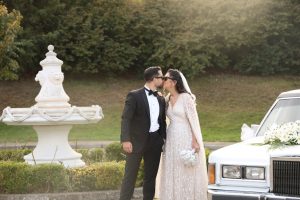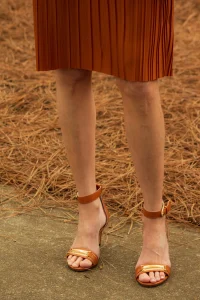
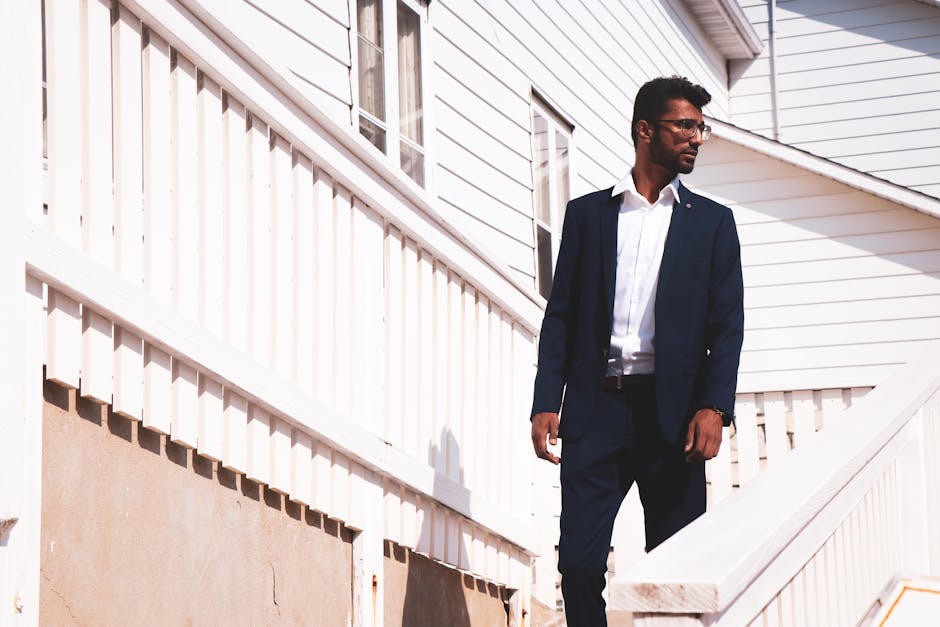
The invitation says “formal attire.” It is the night before. You are standing in front of your wardrobe at 7pm, and suddenly nothing looks right. The dark suit you wore to your last job interview looks corporate. The dress you are considering might be too short. You do not want to be the person in the room who clearly did not engage with the dress code — or the one who overdressed into white-gloves territory when everyone else wore cocktail dresses.
This is a solvable problem. It just requires understanding what formal actually means before you start pulling things off hangers.
The Four Formality Levels Most People Conflate
Formal wear is not one dress code. It is four distinct levels, each with expectations that do not overlap as much as most people assume. Knowing which one you are dressing for removes most of the guesswork.
White tie is the strictest. Men wear a black tailcoat, white marcella waistcoat, white dress shirt, white bow tie, and black patent Oxford shoes. Women wear full ballgowns, typically floor-length. You will encounter this at state dinners, certain royal events, and a small number of very traditional balls. The rule here is simple: hire rather than buy. Unless your profession or social circle requires white tie more than twice a decade, owning the full kit makes no financial sense.
Black tie is far more common and far more frequently misread. For men, this means a tuxedo — a dinner jacket with matching trousers featuring a satin stripe down the outer seam, a white dress shirt with a turndown collar, and a black bow tie. Not a regular tie. Not a dark suit, even a black one. A dark suit at a black tie event reads as either a misread invitation or a deliberate dismissal of the dress code. Moss Bros. hire packages start at £89 for the full tuxedo set — the sensible choice if you attend black tie once or twice a year. If you attend three or more formal events annually, Hugo Boss and Ted Baker both offer mid-range tuxedos in the £350–£600 range worth owning outright.
For women at black tie, floor-length or formal midi dresses in formal-weight fabrics are the standard. Silk, heavy crepe, velvet, and lined chiffon all read correctly. Karen Millen’s occasion collection is reliable here, with gowns starting around £180. Phase Eight sits slightly lower in price with comparable construction quality across most styles.
Black tie optional causes more confusion than it should. Men can wear either a tuxedo or a well-fitted dark suit — charcoal or dark navy, not light grey, not blue-grey, not brown. Women have more flexibility here: floor-length gowns, formal midi dresses, and tailored trouser suits in luxury fabrics all work.
Formal or cocktail attire is the most common designation at weddings, corporate dinners, and charity galas. For men: a sharp dark suit, white or pale blue dress shirt, and a tie. For women: knee-length to midi dresses, or a polished two-piece in quality fabric. This is the level with the most options — and where the most misreads happen, because the latitude is wide enough to get wrong in both directions.
One useful rule when reading an invitation: the formality level is usually signalled by the venue and timing as much as the wording. A 7pm dinner at a hotel ballroom or private members club almost always means black tie optional at minimum, even when the invitation just says dress smartly. A Saturday afternoon at a country house leans formal at most. Read the context, not just the words on the card.
Men’s Formal Essentials — A Direct Comparison

The pieces below are the actual building blocks of a formal wardrobe for men, with specific products and prices attached.
| Piece | Black Tie | Formal / Cocktail | Budget Option | Mid-Range Option | Key Spec |
|---|---|---|---|---|---|
| Jacket | Tuxedo / dinner jacket | Dark suit jacket | Moss Bros. hire £89 | Hugo Boss Huge Slim £350 | Peak lapel for black tie; notch fine for formal |
| Trousers | Matching, satin stripe | Dark matching trousers | ASOS formal slim £45 | Reiss Kin Slim £125 | Break should land at top of shoe |
| Shirt | White, turndown collar | White or pale blue | Charles Tyrwhitt Non-Iron £50 | TM Lewin Luxury £85 | No button-down collars at any formal event |
| Neckwear | Black silk bow tie | Silk tie, muted colour | ASOS bow tie £12 | Duchamp London £65 | Pre-tied bow ties are perfectly acceptable |
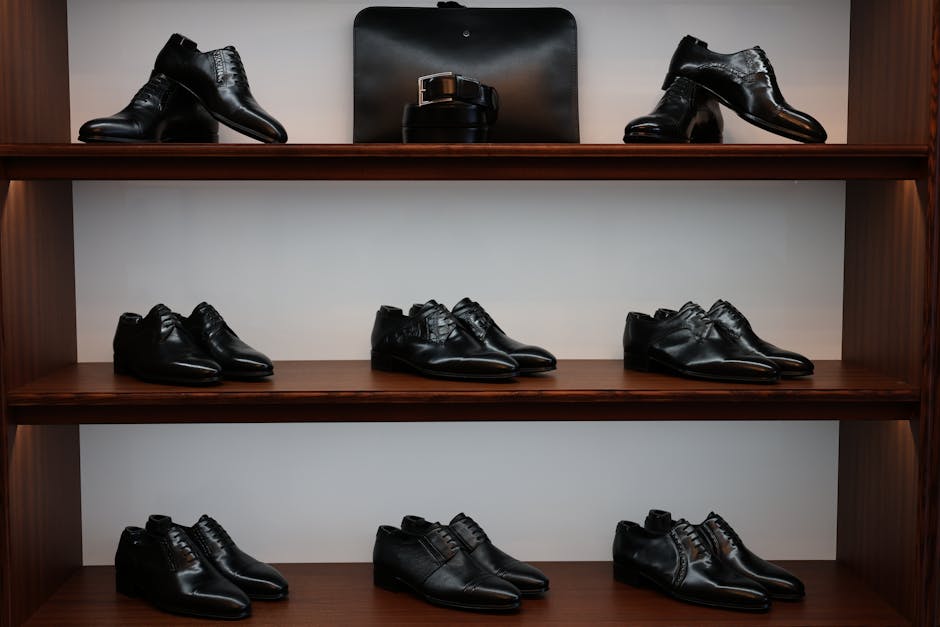
| Shoes | Black Oxford, patent or high-polish | Black Oxford or Derby | Dune London £95 | Loake Aldwych £195 | Oxford over Derby for strictest events |
| Socks | Black silk | Black fine wool | M&S fine-knit £8 | Pantherella £25 | No colour, no visible pattern |
Two details from the table carry more weight than they appear to. First, the shoe distinction: an Oxford has a closed lacing system with the facing stitched under the vamp. A Derby has open lacing and sits slightly more casually on the foot. The Oxford is more formal — at black tie, it is the right call. For cocktail or formal events, a Derby in black leather works. Second, the Charles Tyrwhitt Non-Iron shirt holds its collar shape better through a full evening than most shirts at twice the price. Collar droop is one of those small things that registers visually without anyone consciously noting why — it just reads as slightly off.
Women’s Formal Wardrobe — Three Approaches That Work
Three routes dominate women’s formal dressing. Each suits different body types, events, and levels of comfort with traditional formality.
The floor-length gown is the expected choice at black tie and above. Fabric does more work than silhouette here. Silk charmeuse, heavy crepe, velvet, and structured chiffon all read as appropriately formal. Cheap polyester catches light poorly and moves cheaply — the difference is visible from across a room. Karen Millen and Coast are both reliable at this level. Reiss’s Aliya crepe maxi (around £295) is one of the cleaner options that works across multiple formal events without looking too occasion-specific.
The formal midi or knee-length dress is the most versatile choice for black tie optional, formal, and cocktail events. The silhouette matters less than the fabric and structure — a velvet or brocade midi reads completely differently from a jersey midi in the same cut. Phase Eight’s occasion range delivers consistently at £120–£180. M&S Autograph formal dresses are underrated and start around £79, with better fabric weight than the price suggests.
The tailored trouser suit is increasingly accepted at formal events. Wide-leg palazzo trousers in silk or crepe with a matching blazer work at black tie optional and below. The fabric determines whether the look succeeds — a fine wool office suit does not translate across. Ted Baker and Reiss both produce trouser suits that read clearly as formal occasion wear rather than smart work attire.
Shoes follow a simpler rule than most guides suggest: heeled shoes are expected, but the height is not the point — the material is. Patent leather, satin, suede, and metallic leather all work. Chunky rubber platform soles do not, regardless of heel height. Russell & Bromley and Dune London both carry formal options in the £90–£180 range that clear this bar without requiring a serious investment.
Things that do not work at any formal level: bodycon jersey dresses, visible sportswear detailing, denim of any cut, casual trainers under formal trousers, and unlined sheer overlay dresses. These read as someone who did not engage with the dress code — the opposite of what formal dressing is supposed to signal.
The Fit Problem
A £200 suit that fits is more formal than a £600 suit that does not. Get whatever you are wearing to a formal event altered before the event — not after, not maybe, before. A trouser hem and a suppressed jacket waist costs £30–£50 at most local tailors. The visual difference at a formal occasion is significant enough that this is the single highest-return action in formal dressing. The same rule applies to women’s formalwear: a gown that pools at the hem or a dress that gaps across the back signals immediately that something is wrong, regardless of price or label.
Where Formal Outfits Go Wrong
These are the questions that come up repeatedly — and where the answers are more definitive than most style guides admit.
Is a black suit good enough for black tie?
No. A well-fitted black suit is still a suit. The difference from a tuxedo lies in the satin lapel facing, the trouser stripe, and the overall construction. In a black tie room, a dark suit reads as either a misread invitation or a decision that the dress code did not apply to you. Both impressions land badly and tend to stay with you all evening. If you do not own or plan to hire a tuxedo, choose events that specify black tie optional — where a dark suit is actually appropriate.
Can women wear trousers to black tie or formal events?
Yes, with conditions. At black tie or formal events, the fabric is the deciding factor — silk, crepe, velvet, or fine wool only. Wide-leg and straight cuts work well. Slim tailored trousers in a luxury fabric can also read as formal if the rest of the outfit supports it. What does not work is treating office-weight trousers as formal wear, or pairing formal trousers with a casual knit top. The entire outfit needs to communicate that the dress code was taken seriously.
How much is too much with accessories?
For men: one watch, cufflinks if the shirt has French cuffs, nothing else competing. For women: the rule is finishing the look, not layering it. Choose one statement piece — earrings, a necklace, or a clutch — and let it land. When two or three pieces compete for attention, none of them work. At black tie specifically, fine jewellery or quality costume jewellery reads correctly; bold fashion jewellery in bright colours works against formal fabric rather than with it.
Brands Worth Buying From at Each Price Point
Buy from Reiss if you can spend £200–£350 on a formal piece for either men or women. Their construction and silhouette sit clearly above high-street competition without crossing into designer pricing. The Reiss formal suit in charcoal is a consistent performer for men; their midi and maxi dresses for women pull double duty across formal and black tie optional events without looking repetitive.
For men’s shirts below £80, Charles Tyrwhitt is the right answer. The Non-Iron collection holds its collar shape through a full evening and washes reliably — which matters when you are getting multiple wears from formal events across a season. TM Lewin competes in the same bracket and is worth considering if Charles Tyrwhitt runs short in your size or collar measurement.
For women at under £150, Phase Eight and M&S Autograph produce the most consistent quality in formal occasion wear at accessible prices. Both offer fabric weight and construction that holds up through an evening. Karen Millen and Coast sit higher in the range but offer better finishing for floor-length options specifically — worth the step up if the event is black tie rather than cocktail.
On the cost-per-wear question: if you attend more than three formal events a year, owning a tuxedo or a quality formal gown is financially smarter than hiring or buying cheap alternatives each time. A Hugo Boss tuxedo at £450, worn four times, costs £112 per wear. Moss Bros. hire at £89 costs £267 over three events. The maths shift earlier than most people expect. A well-maintained, properly tailored owned garment also improves over time in ways a hire never will.