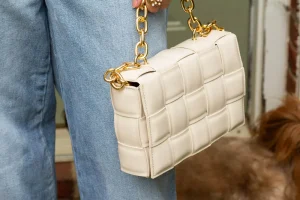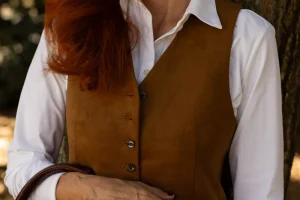
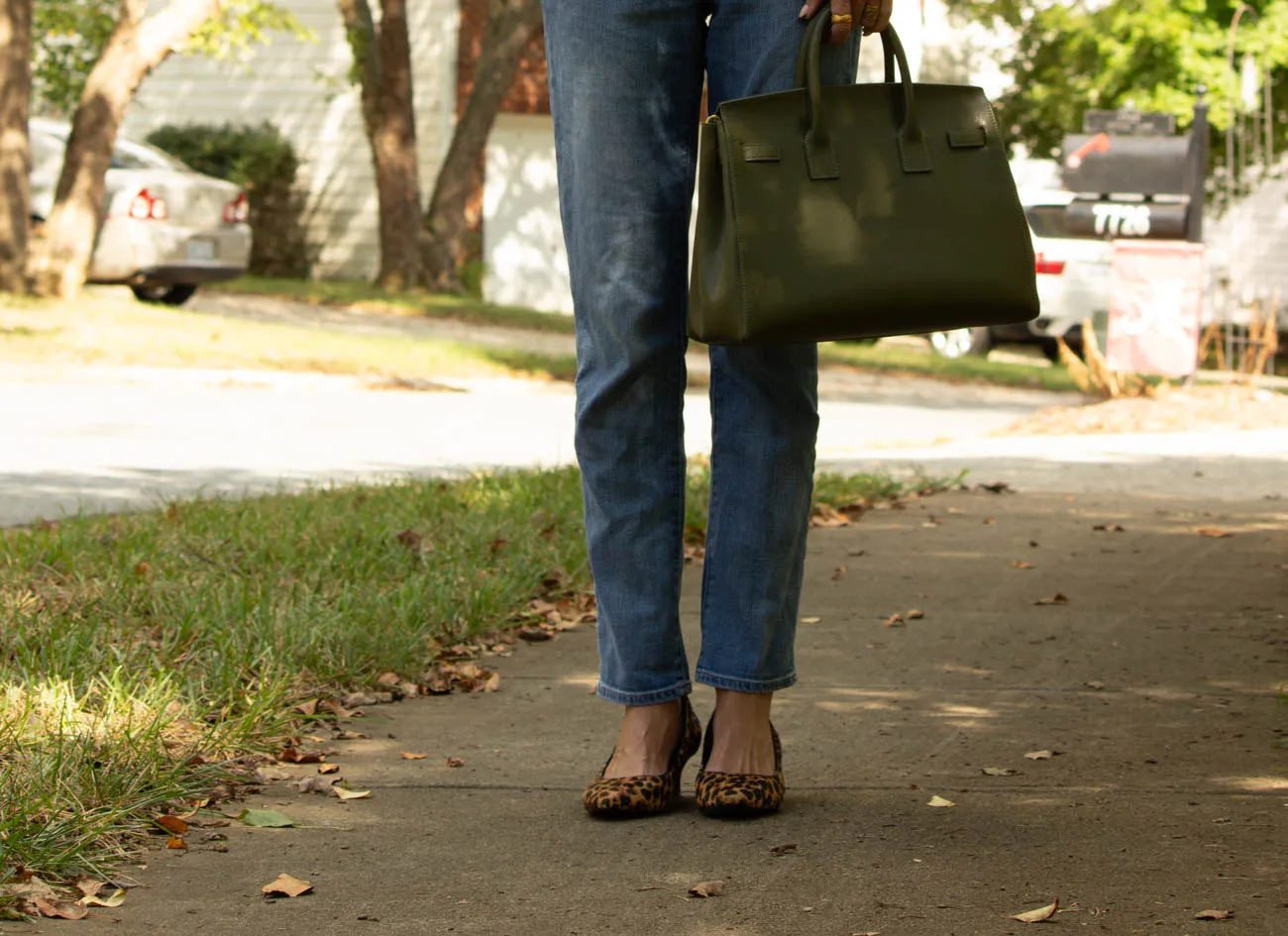
Did you know that the average person only wears about 20% of the clothes in their closet regularly? Seriously. I’ve been there, staring at a packed wardrobe and feeling like I have “nothing to wear,” especially when the weather starts to turn crisp in the fall. For years, I chased trends, bought cheap fixes, and ended up with a pile of clothes that didn’t mix, didn’t last, and certainly didn’t make me feel elegant. It was exhausting. It was also a massive waste of money. I finally sat down, took stock of what actually worked, and developed a few simple rules. This isn’t about buying new everything. It’s about smart choices that build a cohesive, effortlessly elegant fall wardrobe.
The One Fabric You’re Sleeping On (and shouldn’t be)
If you take one thing from my years of trial and error — and trust me, there’s been a lot of error — it’s this: invest in good quality knitwear. I’m talking about natural fibers, specifically merino wool and cashmere. I know, I know, cotton feels nice, but for warmth, breathability, and overall longevity, it simply doesn’t compare. Many brands, even more accessible ones like Uniqlo or Everlane, offer fantastic merino wool sweaters that will outlast and outperform a dozen acrylic blends.
I learned this the hard way after buying multiple “cozy” synthetic sweaters that pilled after two washes, made me sweaty indoors, and then did absolutely nothing to keep me warm outside. That “soft” polyester blend? It’s a trap. It might feel okay in the store, but it traps odors and moisture, making you either clammy or freezing. Don’t buy it. Spend a little more on one good merino sweater. It will regulate your temperature, keep you dry, and maintain its shape far better.
Why Wool Beats Cotton for Warmth
Cotton is fantastic for summer — breathable, light. But in fall, when temperatures fluctuate, it’s a liability. Cotton absorbs moisture and holds it against your skin, making you feel colder faster once the air gets chilly. Merino wool, on the other hand, is a natural wonder. Its fibers wick moisture away from your body, even when damp, keeping you warm and dry. It’s also naturally antibacterial, meaning you can wear it more times between washes without it smelling — a huge win for maintaining garment life and saving laundry time. A medium-weight merino sweater (around 200-250 gsm) is my go-to for pretty much any fall day, layered or on its own.
Investment Pieces vs. Fast Fashion Fails
Think of a quality merino crewneck or a fine cashmere cardigan as foundational pieces. They are the workhorses of your fall wardrobe. Yes, they cost more upfront. A decent merino sweater might run you $80-$150, while a cashmere piece could be $150-$300+. But consider this: I have cashmere sweaters from brands like Naadam that are five years old and still look incredible. My “bargain” acrylic sweaters barely made it through a single season. The cost per wear drops dramatically with quality. You get better comfort, better style, and you contribute less to textile waste. It’s a win-win.
Layering: Your Biggest Ally or Worst Enemy?
Layering is the cornerstone of fall dressing. Done right, it adds depth, texture, and allows you to adapt to changing temperatures throughout the day. Done wrong, you look like a lumpy marshmallow. I’ve been both. My secret? Keep it thin, keep it varied in texture, and always start with a good base.
-
The Foundation Layer: This is crucial. It should be thin, breathable, and ideally, moisture-wicking. I swear by a simple, long-sleeve tee made from a cotton blend or, even better, a lightweight merino base layer. Don’t try to start with a chunky knit here; it will ruin your silhouette.
-
The Mid-Layer: This is where your knits come in. A fine-gauge merino sweater, a crisp button-down shirt, or a lightweight cardigan. The key is that it should fit well — not too tight, not too baggy. You want to be able to move comfortably without feeling constricted. This layer adds warmth and visual interest.
-
The Third Layer (Outerwear): This is where you can make a statement. A structured blazer, a tailored trench coat, a classic denim jacket, or a sleek leather jacket. This layer provides the bulk of your warmth and defines your overall look. It should be easy to remove and carry if the day warms up.
-
Accessories as Layers: Scarves, beanies, and thin gloves aren’t just for warmth; they’re also excellent styling tools. A cashmere scarf can instantly elevate an outfit and provides surprising warmth. Choose colors and textures that complement your core wardrobe.
The Base Layer Mistake Everyone Makes
The biggest mistake I see — and made myself for years — is picking the wrong material for the base layer. A heavy cotton t-shirt under a sweater is fine if you’re staying indoors. But step outside into a crisp breeze, then pop into a warm store, and you’ll be sweating, then chilling. A lightweight merino or performance fabric base layer is worth its weight in gold. It handles sweat, maintains warmth, and feels good against the skin. Think of brands like Smartwool or even some athletic brands like Lululemon for quality base layers that truly perform.
Outerwear That Actually Works
I own three essential fall outerwear pieces, and they cover every scenario: a classic trench coat (mine is a simple beige one), a well-fitting wool blazer (preferably in a neutral like charcoal or navy), and a sturdy denim jacket. A trench is perfect for drizzly, mild days. The blazer elevates any outfit, making jeans and a tee look polished. And a denim jacket adds a casual, cool vibe that’s surprisingly versatile. Forget those flimsy fashion jackets that offer no warmth; choose pieces with some heft and structure. Look for details like a full lining in your blazer or a water-resistant finish on your trench.
The Footwear Fallacy: Where Comfort Meets Catastrophe
Good fall footwear is a . Bad fall footwear can ruin your day — blistered feet, wet socks, or just a generally uncomfortable vibe. I’ve learned that there’s a sweet spot where style and practicality meet. And no, you don’t need a hundred pairs. I narrowed it down to a few key styles that cover all bases.
Boots to Buy, Boots to Bypass
| Boot Type | Why to Buy | Why to Bypass |
|---|---|---|
| Classic Leather Ankle Boots | Versatile, durable, pairs with everything. Brands like Blundstone or Frye offer long-lasting options. | Cheap pleather versions that scuff easily and offer no support. |
| Heeled Leather Boots (Block Heel) | Elevates outfits, comfortable for walking, adds polish. Look for a stacked or block heel < 2.5 inches. |
Stiletto heels on slick leaves are a recipe for disaster. Thin, plastic heels break. |
| Waterproof Rain Boots (Stylish) | Essential for wet weather, keeps feet dry. Hunter or even some stylish options from Sorel. | Overly clunky, brightly colored garden boots that don’t match anything. |
| Chelsea Boots | Easy slip-on, sleek profile, perfect with jeans or trousers. Doc Martens make a great, durable pair. | Flimsy elastic sides that stretch out and look sloppy within a month. |
My advice? Don’t skimp on boots. A quality leather boot can literally last you a decade with proper care. Look for genuine leather, good stitching, and a sole with some grip. Those super-thin, “fashion” soles? They offer zero traction on wet leaves or early frost.
The Sneaker Question
Yes, you can wear sneakers in the fall, but choose wisely. My rule is simple: clean, classic, and preferably in a neutral color. White leather sneakers (like Adidas Stan Smiths or Common Projects if you’re feeling fancy) work well on dry days. They add a casual coolness to almost any outfit, even a dress. Avoid brightly colored, overly athletic sneakers unless you’re actually going to the gym. For wetter days, a pair of dark leather or water-resistant canvas sneakers can work. The goal is “smart casual,” not “just finished a marathon.”
My Most Regretted Fall Purchase (and what to get instead)
My most regrettable fall purchase was a pair of “fashion” rain boots. They were cute, brightly colored, and utterly useless. They cracked after one season, offered no warmth, and my feet still got wet because the material was so poor. Don’t buy them. Instead, invest in proper, waterproof leather boots or classic Hunter rain boots that will actually protect your feet and last for years.
Why “Transitional” Pieces Are a Trap (and what to do instead)
I hear “transitional pieces” thrown around a lot in fall fashion, and honestly, it’s a trap. It often leads to buying flimsy items that aren’t quite summer and aren’t quite winter, ending up as sartorial orphans in your closet. Instead of focusing on “transitional,” think “adaptable.” My philosophy is to build a core wardrobe of items that can be worn in multiple seasons, simply by adjusting your layering.
For example, a tailored denim shirt isn’t a “transitional piece”; it’s an adaptable staple. Wear it open over a tank in early fall, buttoned up under a blazer as it gets colder, or even as a light jacket over a long-sleeve tee. This mindset shifts you away from buying specific “in-between” items that have limited use and towards versatile pieces that serve you year-round. It’s about smart utilization of what you already own or what you plan to acquire.
Understanding Temperature Swings
Fall weather is notoriously fickle. You might have a crisp morning, a warm afternoon, and a chilly evening. This is why the “adaptable” approach is so effective. Instead of a single “transitional” jacket that only works in a narrow temperature range, a system of layers — a merino base, a cashmere sweater, and a trench coat — allows you to shed or add as needed. This way, you’re prepared for anything from 40°F (4°C) to 65°F (18°C) without needing an entirely different outfit.
The Power of Accessories
Accessories are often overlooked as key adaptable elements. A thick wool scarf can provide the warmth of a light jacket. A beanie can replace a hood. These small items can dramatically change the functional temperature range of an outfit. A simple outfit of jeans and a sweater suddenly becomes fall-ready with a chunky knit scarf and ankle boots. They’re also an easy way to add pops of color or texture without committing to a statement piece of clothing.
The Color Palette I Swear By
Forget chasing every seasonal color trend. For an effortless, elegant fall look, I stick to a surprisingly narrow palette. It simplifies getting dressed, ensures everything mixes and matches, and always looks sophisticated. My core colors are camel, deep olive green, cream, and charcoal gray. These aren’t just “fall” colors; they are rich, versatile neutrals that complement most skin tones and can be dressed up or down. I find that when I limit my main clothing items to these hues, I never have to wonder if something “goes.” It just does.
I’ve tried the bold purples, the bright oranges, the trendy neons. They felt fun for a minute, but then they sat in my closet because they didn’t work with anything else. By building a foundation of sophisticated neutrals, I can always add a subtle pop of color with a scarf or a handbag if I want to, without derailing the whole outfit.
Beyond Beige: Adding Depth
While beige and cream are essential, don’t shy away from deeper, richer neutrals. A deep olive green, for example, is incredibly chic and acts like a neutral. It pairs beautifully with camel, cream, and even black. Charcoal gray is a softer alternative to stark black and looks amazing with almost any other color. These shades provide depth and interest without being loud or requiring perfect coordination.
Mastering Tonal Dressing
One of my favorite tricks for looking instantly put-together is tonal dressing. This means wearing different shades of the same color. Imagine an outfit built around varying shades of camel and cream: a cream silk blouse, a camel merino sweater, and a pair of rich tan trousers. It looks incredibly expensive and sophisticated, yet it’s surprisingly easy to achieve when you stick to a complementary neutral palette. It removes the stress of matching and elevates your style effortlessly.
The “Don’t Even Think About It” List for Fall 2026
After years of making mistakes, I’ve developed a list of items and trends I absolutely avoid. These are the things that look great on influencers for a single photo, but fail miserably in real-life wearability, longevity, or elegance. Save your money, and your sanity.
Are chunky knits still in?
Yes, but “chunky” doesn’t mean shapeless. Avoid overly voluminous, boxy chunky knits that add ten pounds and zero definition. The kind that makes you look like a walking blanket. Instead, opt for chunky knits with some structure — perhaps a slightly cropped length, a defined shoulder, or a ribbed texture that gives it shape. Brands like & Other Stories or even H&M (if you’re careful with fabric) often have more refined chunky styles. The goal is cozy, not shapeless blob.
What about overly distressed denim?
Absolutely not. Distressed denim has its place, but for an elegant fall look, it’s a hard pass. Rips and tears let in cold air, look messy, and instantly pull down the sophistication of an outfit. For fall, I strongly recommend investing in classic, well-fitting denim in washes like dark indigo, black, or a clean, medium blue. Brands like Levi’s, Everlane, or Madewell consistently offer durable, stylish options. Look for a flattering straight leg, slim straight, or a slight bootcut. These silhouettes are timeless and versatile, pairing beautifully with boots and sweaters.
Is all black too much?
Wearing all black can be incredibly chic, but it can also be very stark and sometimes a little flat for fall. My advice: if you love all black, introduce texture. A black cashmere sweater with black leather pants, or a black wool coat over a black silk dress. The variation in texture adds depth and interest, preventing the outfit from looking one-dimensional. Alternatively, break it up with one accent — a camel scarf, a deep green bag, or a cream boot. Don’t be afraid to experiment with these subtle shifts.
My clear, specific recommendation for effortless fall elegance? Build your core wardrobe around quality natural fibers — especially merino wool and cashmere — in a cohesive neutral palette of camel, cream, olive, and charcoal. Then, layer with purpose and finish with classic, durable footwear. You’ll look put-together without even trying.
Disclosure: This article may contain affiliate links, including links connected with AWIN. Fashion Guidebook is operated by Digital Sail Technology Limited and may earn commissions at no extra cost to readers.