The Misconception About Beach Casual That Most Families Get Wrong
There is a widespread assumption that beach style is simple — throw on a swimsuit, grab a cover-up, call it done. Courts of public opinion, however, have consistently found this approach insufficient for a location like Avalon Beach, where the unwritten dress code sits somewhere between genuinely relaxed and effortlessly curated.
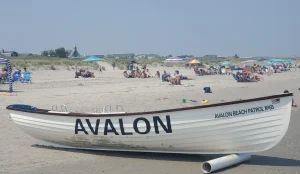
Avalon Beach, on Sydney’s Northern Beaches peninsula, draws a crowd that leans heavily local. Fewer tourists. More people who grew up here and know exactly what they are doing. Walking in with an ill-considered outfit typically results in what style observers might term visible effort with zero return.
The Turning Heads Linkup — a fashion blogging community that documents real outfits from real occasions — has produced dozens of entries from Avalon and the broader Northern Beaches area. The participants who photograph best aren’t the ones who overpacked. They’re the ones who made precise, deliberate choices. Usually three or four key pieces working in multiple configurations across a full day.
This is not professional styling advice — individual circumstances vary considerably based on children’s cooperation levels and sunscreen reapplication compliance. But the documented evidence, across hundreds of family beach trip posts, points in a consistent direction.
Why Avalon Specifically Demands a Different Approach
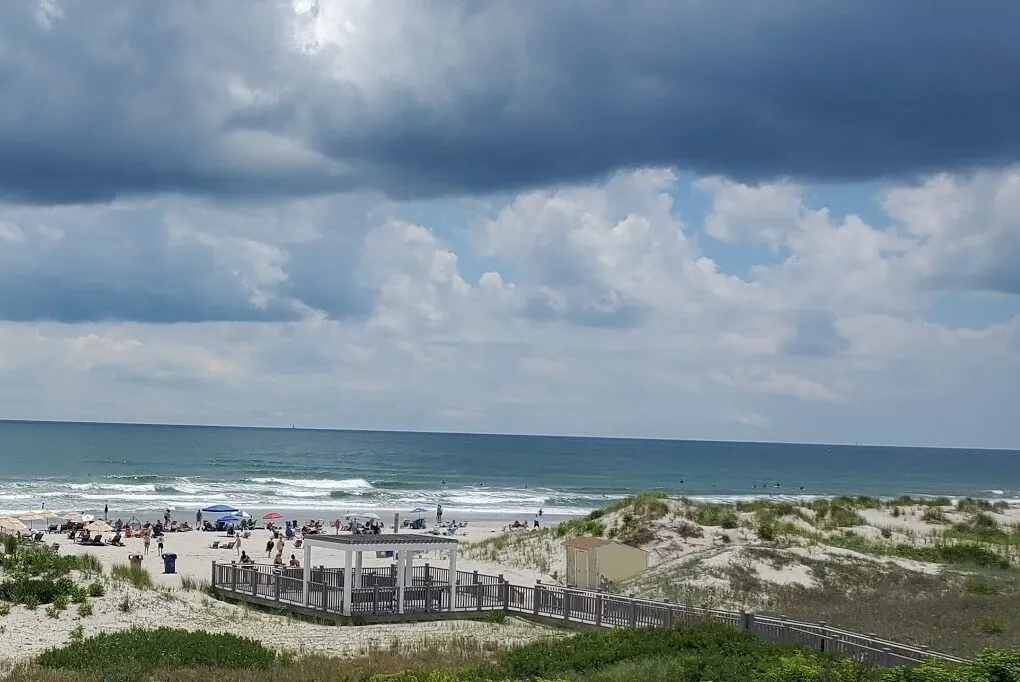
Avalon sits 40 kilometres north of Sydney’s CBD. The beach is rockpool-fringed, surrounded by headland, and attracts a crowd that is style-aware without being showy about it. The village itself has independent boutiques stocking Spell & the Gypsy Collective and Arnhem, plus coffee shops where people sit post-swim in actual outfits rather than damp towels.
That detail matters. If your plan is swimsuit until lunch and then something, the transition outfit becomes as important as the swimwear itself. Courts of practical experience have generally found that failing to plan for this transition is the single most common mistake in family beach trip packing.
The Family Variable Changes the Calculation
Traveling to Avalon with children means sunscreen happens. Sand happens. A toddler with an ice cream cone happens at the worst possible moment. Outfits that photograph beautifully but cannot survive contact with small humans typically fail before noon. The practical constraint is real. The style constraint is equally real. Working within both simultaneously is the actual challenge — and the one the Turning Heads Linkup documents most honestly.
How Avalon Compares to Other Sydney Beaches — and Why It Matters for Packing
Understanding where Avalon sits stylistically — relative to Bondi, Manly, and Palm Beach — clarifies what to pack and what to leave behind. This comparison is based on observed crowd patterns and the general register each beach projects.
| Beach | Vibe | Typical Crowd | What Works | What Reads Wrong |
|---|---|---|---|---|
| Bondi Beach | High-energy, tourist-heavy | Backpackers, fitness crowd, influencers | Statement swimwear, athleisure | Resort wear, overdressed |
| Manly Beach | Family-friendly, accessible | Day-trippers, young families, surfers | Casual sundresses, board shorts | Anything structured or formal |
| Palm Beach | Affluent, quiet, photogenic | Long-term locals, weekenders, boaters | Resort wear, wide-brim hats | Logo-heavy, loud branding |
| Avalon Beach | Relaxed but intentional | Local families, creatives, surfers | Boho-leaning, quality basics, interesting texture | Fast fashion that looks like fast fashion |
Palm Beach is Avalon’s closest stylistic relative, but Avalon runs younger and more bohemian. The Zimmermann aesthetic — intricate prints, relaxed silhouettes, carefully chosen fabrics — photographs remarkably well at Avalon. That does not mean you need Zimmermann prices (their swimwear starts around $280 AUD). It means that sensibility — textured natural fabrics, considered prints, nothing too synthetic-looking — translates directly into outfits that read as intentional rather than assembled.
The One Element Every Successful Avalon Outfit Has
Intentionality. The crowd here has a particular allergy to outfits that look assembled from a vacation panic-buy. A Seafolly swimsuit in a strong print ($120–$160 AUD), worn with a cotton broderie anglaise coverup and Havaianas, reads as deliberate. The same swimsuit under a neon mesh coverup purchased at the airport does not. The difference is not price — it is evidence of a decision having been made.
The Real Dress Code at Avalon
No posted rules exist. In practice, courts of style observation have generally found the unwritten standard to be three things: quality over quantity, natural fabrics where possible, and at least one element that demonstrates you thought about it. Everything else follows from those three principles.
Building a Turning Heads Outfit for a Beach Day With Kids
The Turning Heads Linkup format asks participants to document actual outfits — not aspirational ones. That distinction is what makes it genuinely useful. The posts generating the most engagement from family beach trips share one structural characteristic: a swimsuit-to-village system that works across the full day without requiring a full outfit change in a beach car park.
Here is how that system typically works in practice, based on what has been documented to succeed repeatedly.
Start With Swimwear That Can Carry the Whole Outfit
The swimsuit is the load-bearing piece. A suit with genuine design interest — architectural straps, a considered print, an interesting neckline cutout — means everything else can stay simple. Seafolly’s Cross Back One Piece in deep navy or indigo ($139 AUD) photographs particularly well at Avalon because the colour reads strongly in coastal light without competing with the environment. For those willing to invest, Zimmermann’s swimwear holds shape after repeated swimming and sand contact — the fabric quality is measurably better after a full day — which matters when you’re shooting a family trip across eight hours rather than a single styled moment.
For children, Billabong makes long-sleeve rashguards in UPF50+ fabric from around $40 AUD. The coordination principle: do not match, but pull from the same palette. If you’re in navy and white, put the kids in a stripe that references one of those colours. Identical matching family outfits work in studio conditions. At actual beaches with real light and real movement, they typically read as staged in a way that undermines the whole effect.
The Coverup Decision Is Where Most Outfits Succeed or Fail
A coverup serves two masters simultaneously: sun protection on the sand and a pulled-together look when you walk up to the village for lunch. Most coverups serve neither function adequately. The cotton kaftan is the most field-tested solution — it provides genuine coverage, moves naturally in coastal wind, and can be loosely belted for a different silhouette once you leave the sand.
Spell & the Gypsy Collective makes kaftans in the $180–$250 AUD range that photograph beautifully and survive repeated wash cycles without losing shape. Tigerlily offers similar fabric sensibility at slightly lower price points. What courts of practical experience have found to fail consistently: sheer mesh coverups (no UV protection, unflattering in direct coastal light), terry cloth (absorbs heat, heavy when damp), and anything requiring ironing, because it will be unironed within the first fifteen minutes of the drive.
Accessories That Hold Up in Saltwater Conditions
Quay Australia sunglasses retail between $55–$100 AUD and hold up to beach conditions reliably. The ‘All In’ style in tort or black appears consistently across Turning Heads Linkup beach entries — it is proportioned for the face, photographs well, and does not look expensive in a way that would make you anxious about sand damage. A wide-brim straw hat provides genuine sun protection (UV protection scales with weave density — a tightly woven hat rated UPF50 blocks measurably more than a loosely woven decorative one) and is the fastest single way to elevate any beach outfit in a photograph.
Footwear: Havaianas in tan, black, or metallic gold. The metallic reads as a deliberate choice rather than default beach footwear, which matters when the goal is a Turning Heads post rather than just a family snap. One bag — a woven or canvas tote large enough for beach essentials plus a change of clothes for at least one child. A structured bag at the beach typically looks like a navigational error.
What to Actually Pack: A Family Beach Trip Checklist
Based on what Turning Heads Linkup participants have documented working across multiple Sydney Northern Beaches family trips, this is the packing framework that survives contact with reality rather than just sounding good in planning.
- Adult swimwear: One suit with design interest, one neutral backup — you will get wet earlier than planned, and the photo suit should not be the one you swim in for four hours
- Kids’ swimwear: Two full sets minimum. UPF50+ long-sleeve rashguard for extended time on the sand
- Coverup: One cotton kaftan or shirt dress, packed where you can access it without unpacking everything else
- Beach footwear: Havaianas or similar. Village footwear: a pair of Birkenstock Arizonas in Birko-Flor ($130 AUD) — water-resistant, appropriate from sand to cafe
- Hats: Wide-brim straw for adults, legionnaire-flap hats for children — Australian summer UV is non-negotiable
- Sunscreen: Cancer Council SPF50+ in full-size — the pocket bottle runs out by 10am in peak summer. Reapply every two hours minimum
- Bag: Woven tote large enough for towels, snacks, and one full outfit change per child
- One clean outfit: If a village lunch is planned, pack something unworn and unsunscreened
What is routinely overpacked: multiple adult outfit options for contingencies. What is routinely underpacked: spare children’s clothes. Courts of empirical beach experience have found the ratio is almost always wrong in the same direction — one too many adult options, one too few kids’ changes.
When Your Outfit Is Working Against You — Common Mistakes to Stop Making
The most useful Turning Heads Linkup posts are the honest ones. Here is what the documented evidence shows actually goes wrong on family beach days, and what the pattern typically looks like before it happens.
The Linen Trap
Linen is genuinely good fabric in controlled conditions. It breathes. It photographs with a particular texture that works in natural light. At an Australian beach with children, it typically crumples past the point of recovery by 9:30am and absorbs sunscreen in visible streaks that are impossible to photograph around. Wide-leg linen trousers are a specific and recurring failure mode — beautiful in theory, covered in fine sand and irreversibly creased after a 25-minute drive with children in practice. If the linen aesthetic is the goal, a linen-cotton blend shirt over swimwear is a survivable choice. Full linen trousers on a beach with kids are not.
Accessorizing Past the Context
There is a meaningful distinction between styled and styled for a beach. Fine jewellery degrades in saltwater — chlorine and salt attack gold alloys and loosen stone settings. Layered necklaces catch on rashguards, sunscreen, and the reaching hands of children at exactly the wrong moment. The Turning Heads posts that photograph best at coastal locations typically feature one statement piece. One good pair of earrings or one interesting necklace. Not both. The beach edits away excess naturally. Working with that principle rather than against it produces better results and fewer lost earrings in the sand.
Underestimating Australian UV
This is not strictly a style issue, but it becomes one. Severe sunburn restructures your outfit options for the following three days of a family trip. Australian UV indexes in summer routinely reach 11–13 (classified as extreme). Courts of dermatological and medical evidence have firmly and consistently established that SPF50+ applied 20 minutes before sun exposure and reapplied every two hours is the applicable standard. A coverup with a documented UPF50+ rating is not a fashion accessory in this context — it is the piece that keeps the rest of the trip functional. Pack and treat it accordingly.
Turning Heads Linkup: Questions About Avalon Beach Family Style
Does the Turning Heads Linkup require a specific theme or location?
The linkup does not require a specific theme — participants post real outfits from real occasions. A family beach trip to Avalon qualifies fully. The format works precisely because it documents authentic styling decisions rather than aspirational editorial shoots, which is why the community generates genuinely usable outfit references that hold up outside of controlled conditions.
What time of year does Avalon work best for a family trip?
October through March is swimming season. December through February is peak Australian summer — UV is extreme and Avalon’s population roughly doubles with weekenders. October–November and March–April are generally considered the optimal window: warm enough to swim comfortably, UV still significant but more manageable, fewer people on the beach itself. The light in March at Avalon is particularly well-suited to outdoor photography — lower sun angle, warmer colour temperature, longer golden hour. If a Turning Heads post is part of the plan, March mornings at Avalon are notably good for it.
Can you style a Turning Heads-worthy beach trip without a large budget?
Yes — with one clear prioritization principle. Invest in the swimsuit and the hat; keep everything else simple. A $30 cotton shirt dress from Kmart as a coverup over a quality Seafolly swimsuit reads as intentional. The reverse — a cheap swimsuit under an expensive coverup — typically does not, because the swimsuit is the visible piece for the longest portion of the day and quality shows in photographs at the level of fabric structure and colour saturation. Pick the investment point that stays on your body for the most hours and photograph accordingly.